

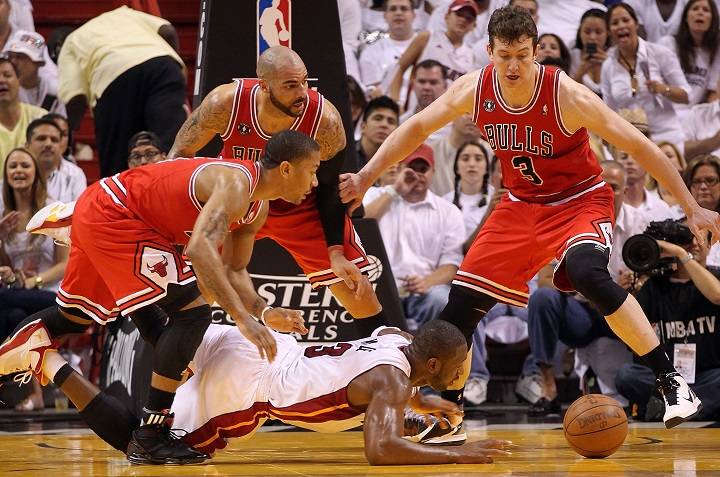
Basketball, a high-paced and dynamic sport, revolves around the strategic pursuit of scoring points while defending the basket. In the intricate dance of offense and defense, turnovers emerge as crucial moments that can dramatically shift the momentum of a game. This comprehensive exploration delves into the multifaceted realm of turnovers in basketball, deciphering their types, impact, and the strategies employed to minimize these possession-altering events.
Understanding Turnovers: The Pivot Point of Possession
Defining Turnovers in Basketball
Turnover Basics:

In basketball, a turnover occurs when an offensive team loses possession of the ball to the opposing team. This can happen through various means, such as a bad pass, traveling violation, stepping out of bounds, or defensive steals. Turnovers interrupt offensive flow and grant the opposing team an opportunity to score.
Types of Turnovers:
- Bad Passes: Errant passes that miss the intended recipient.
- Traveling Violations: Taking too many steps without dribbling.
- Double Dribble: Dribbling with both hands or stopping and then restarting.
- Out-of-Bounds Violations: Stepping on or beyond the boundary lines.
- Shot Clock Violations: Failing to attempt a shot within the allotted time.
Impact on the Game Flow
Momentum Shifts:
Turnovers are pivotal moments that can swiftly shift the momentum of a game. A well-timed steal or a forced error disrupts the offensive team’s rhythm and energizes the defense, creating a ripple effect that resonates with both players and fans.
Fast-Break Opportunities:
Opposing teams capitalize on turnovers by initiating fast-break opportunities. A quick transition from defense to offense catches the retreating team off guard, often resulting in high-percentage scoring chances and electrifying plays.
Analyzing Turnover Rates: Metrics and Benchmarks
Turnover Ratio and Efficiency Metrics
Turnover Ratio:
The turnover ratio is a statistical measure that assesses a team’s efficiency in ball security. It is calculated by dividing the number of turnovers by the sum of field goals attempted, free throws attempted, and turnovers. A lower turnover ratio indicates better ball control.
Assist-to-Turnover Ratio:
This ratio evaluates a team’s ability to create scoring opportunities while minimizing turnovers. Calculated by dividing assists by turnovers, a higher assist-to-turnover ratio signifies effective teamwork and decision-making.
Team and Player Turnover Benchmarks
Acceptable Turnover Rates:
Teams and coaches often set acceptable turnover rates based on playing styles and strategies. A turnover rate below a certain threshold is considered indicative of disciplined ball control, while exceeding the benchmark prompts a reassessment of offensive execution.
Player Turnover Averages:
Individual players are also scrutinized for their turnover averages. Point guards, who typically handle the ball the most, are especially under the spotlight. A balance between playmaking and minimizing turnovers is a hallmark of elite point guard play.
Strategies for Minimizing Turnovers
Effective Ball Handling and Passing
Fundamental Skills:

Sound ball-handling skills and precise passing are fundamental in preventing turnovers. Players undergo rigorous drills to enhance their ability to navigate defenses, execute accurate passes, and make quick decisions under pressure.
Decision-Making Under Pressure:
Players develop the ability to make split-second decisions, assessing the defensive setup and choosing the optimal passing or dribbling option. Training scenarios simulate game-like situations to hone decision-making skills.
Offensive Systems and Set Plays
Structured Offensive Systems:
Teams implement structured offensive systems that emphasize ball movement, spacing, and player positioning. Systems such as motion offense and triangle offense promote cohesive teamwork and reduce the likelihood of chaotic situations leading to turnovers.
Set Plays:
Well-rehearsed set plays allow teams to execute predetermined movements and options. By minimizing improvisation, set plays contribute to controlled offensive possessions and reduce the risk of turnovers.
Transition from Defense to Offense
Secure Rebounding:
Defensive rebounds mark the initiation of the transition from defense to offense. Securing rebounds limits second-chance opportunities for the opponent and provides the offensive team with a controlled start to their possession.
Outlet Passes and Running Lanes:
Effective outlet passes and running lanes facilitate a smooth transition game. Players strategically position themselves to receive outlet passes, initiating fast breaks that catch the opposing defense off balance.
Turnovers in High-Stakes Moments: The Clutch Factor
Managing Pressure Situations
End-of-Game Scenarios:

In critical moments, such as the closing minutes of a close game, the pressure intensifies. Teams that can manage possession and avoid turnovers in these high-stakes situations increase their chances of securing a victory.
Crunch-Time Decisions:
Players who exhibit poise and make sound decisions during crunch time become invaluable assets. The ability to maintain ball control and execute effective plays in pressure-packed scenarios distinguishes elite performers.
Impact of Turnovers on Game Outcomes
Correlation with Scoring Disparities
Points off Turnovers:
Analyzing points scored off turnovers provides insights into their impact on the game. Teams that capitalize on turnovers by converting them into points create significant scoring disparities.
Opponent Points off Turnovers:
Conversely, teams must be vigilant about preventing opponents from scoring off their turnovers. Defensive strategies that force turnovers and convert them into quick points contribute to a comprehensive game plan.
The Evolution of Turnovers: Trends and Innovations
Analytical Approaches and Technology Integration
Advanced Analytics:
Basketball analytics have evolved to include sophisticated metrics that delve deeper into turnover-related insights. Metrics like points per possession and turnover rates in specific game situations provide a nuanced understanding of team and player performance.
Technology-Driven Analysis:
Video analysis and performance-tracking technologies offer granular insights into player movements, decision-making patterns, and offensive structures. Coaches leverage this technology to identify areas of improvement and tailor strategies for minimizing turnovers.
Related Post:
The Significance of a Defensive Back (DB) in Football
The Strategic Brilliance of the Midfield Soccer Position
Navigating the Game: Understanding the Dynamics of Backcourt Violation in Basketball
As we navigate the turnover terrain in basketball, it becomes evident that these possession-altering events are not mere hiccups but pivotal elements that shape the ebb and flow of the game. Whether it’s the strategic deployment of defensive pressure, the meticulous execution of offensive plays, or the clutch decisions in pressure situations, turnovers encapsulate the essence of basketball’s dynamic nature.
In the relentless pursuit of victory, teams and players continually refine their approaches to minimize turnovers and maximize scoring opportunities. The journey through the turnover landscape is a testament to the strategic depth and tactical brilliance embedded in the sport of basketball. So, whether you’re a coach dissecting game footage, a player perfecting your ball-handling skills, or a fan reveling in the thrill of a fast break, turnovers stand as a defining element in the rich tapestry of basketball.