

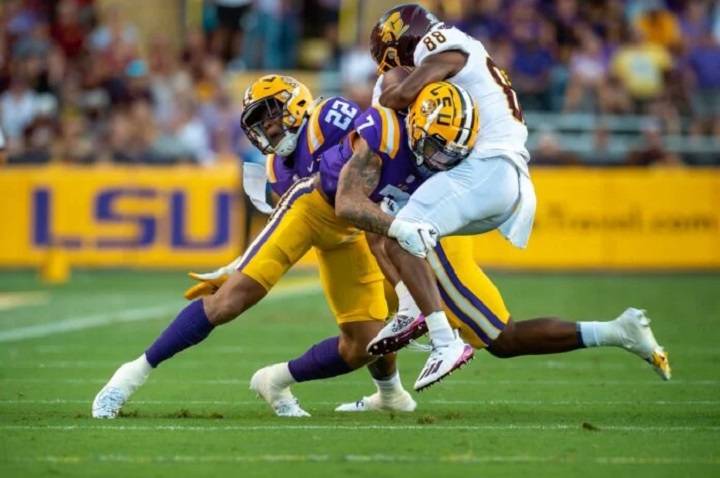
Football, known for its strategic complexity and dynamic plays, where each position plays a specialized role. In this extensive exploration, we delve into the intricate world of a Defensive Back (DB) in football, unraveling the significance, responsibilities, and impact of this position on the defensive prowess of a team. Join us as we navigate through the formations and strategies of the football field, exploring how a Defensive Back’s versatility and skill set shape the narrative of this hard-hitting and exhilarating sport.
Understanding the Defensive Back (DB) Position
Essence of a Defensive Back: Guardians of the Secondary
Secondary Defense:

The Defensive Backs, commonly referred to as DBs, are the guardians of the secondary defense. Positioned behind the linebackers, their primary responsibility is to defend against passes and provide support in stopping the run. The versatility of DBs makes them instrumental in adapting to the ever-evolving nature of offensive plays.
Variety of Defensive Backs:
The term “Defensive Back” encompasses different positions, each tailored to specific roles within the secondary. Cornerbacks (CBs) specialize in covering wide receivers, Safeties (S) patrol the deep areas of the field, and Nickelbacks and Dimebacks come into play in specialized situations, adding layers of complexity to defensive strategies.
Player Roles: Cornerbacks and Safeties
Cornerbacks (CB): Island Defenders:
Cornerbacks are often considered the “island defenders” as they frequently face one-on-one matchups against opposing wide receivers. Their agility, speed, and ability to read the opposing quarterback’s intentions make them key players in preventing successful pass completions.
Safeties (S): Deep Guardians:
Safeties, on the other hand, are the last line of defense. Free Safeties roam the deep areas of the field, acting as a safeguard against long passes, while Strong Safeties are versatile players who contribute to both run defense and pass coverage. Safeties’ ability to read the quarterback’s eyes and react swiftly is crucial for thwarting deep plays.
Player Movements: Covering, Tackling, and Intercepting
Man Coverage and Zone Coverage:

Defensive Backs engage in both man coverage and zone coverage. In man coverage, they shadow specific offensive players, while in zone coverage, they defend assigned areas of the field. The ability to seamlessly transition between these coverages requires a keen understanding of defensive schemes.
Tackling and Run Support:
While their primary focus is on pass defense, DBs are also involved in tackling and providing support against running plays. Their tackling skills are essential for preventing offensive players from gaining extra yards after a catch or run.
Interception Prowess:
One of the most celebrated aspects of a Defensive Back’s skill set is their ability to intercept passes. Intercepting a pass not only halts the opponent’s drive but can also lead to a change in momentum. The anticipation, ball-tracking, and hands skills required for interceptions make DBs playmakers on the defensive end.
Impact of the Defensive Back Position on Gameplay
Pass Defense Dominance: Disrupting the Air Attack
Breaking Up Passes:

Defensive Backs excel in breaking up passes, known as pass deflections. Whether through well-timed jumps, strategic positioning, or physical play at the line of scrimmage, their efforts disrupt the timing and connection between quarterbacks and receivers.
Preventing Big Plays:
By neutralizing deep threats and preventing big plays, DBs contribute significantly to the overall defensive strategy. Their presence as formidable defenders forces quarterbacks to make precise and calculated decisions, minimizing the risk of successful long passes.
Run Defense Support: Versatility in Action
Tackling in the Open Field:
DBs showcase their versatility by effectively tackling ball carriers in the open field. This skill is crucial in preventing running backs and receivers from breaking away for substantial gains. DBs must balance their coverage responsibilities with the agility and aggression required for open-field tackles.
Blitzing and Pass Rushing:
In certain defensive schemes, Defensive Backs are utilized as blitzers, adding an element of surprise to the pass rush. Their speed and agility make them effective in reaching the quarterback quickly, disrupting passing plays and forcing hurried throws.
Communication and Coordination: The Secondary Connection
Communication Among Defensive Backs:
Effective communication is paramount among Defensive Backs. They must coordinate coverage assignments, communicate changes in defensive calls, and alert each other to offensive formations and player movements. Cohesiveness within the secondary is vital for successfully defending against intricate offensive plays.
Adjustments to Offensive Formations:
DBs play a strategic role in adjusting to various offensive formations. Recognizing whether the opposing team is lining up in a spread offense, a pro-style formation, or employing multiple wide receivers informs the Defensive Backs’ positioning and coverage strategies.
Strategies for Excelling as a Defensive Back
Footwork and Agility: Navigating Receivers with Precision
Backpedaling Techniques:

Mastering backpedaling techniques is fundamental for Defensive Backs. The ability to move backward with agility while maintaining awareness of the receiver’s route is essential for effective coverage.
Quick Change of Direction:
Football is a game of split-second decisions, and Defensive Backs must showcase quick changes of direction. Agility drills that focus on lateral movements, hip flexibility, and rapid direction shifts enhance a DB’s ability to stay step-for-step with elusive receivers.
Film Study: Analyzing Offensive Tendencies
Opponent Receiver Analysis:
In-depth film study of opposing receivers is a cornerstone of a successful Defensive Back’s preparation. Analyzing receivers’ route-running tendencies, preferred moves, and areas of vulnerability allows DBs to anticipate plays and make informed decisions during a game.
Quarterback Reading:
Understanding the tendencies and reading the eyes of the opposing quarterback is equally crucial. A DB’s ability to anticipate the quarterback’s target can lead to well-timed jumps, interceptions, and game-changing defensive plays.
Physical Conditioning: Endurance and Strength
Endurance Training:
Defensive Backs cover significant distances during a game, especially in pass coverage situations. Endurance training, including sprint intervals and aerobic fitness drills, ensures that DBs maintain their speed and focus throughout the entirety of a match.
Strength Conditioning:
Physical strength is an asset for Defensive Backs, especially when engaging in physical press coverage or tackling larger ball carriers. Strength conditioning programs that target upper body, lower body, and core strength contribute to a DB’s overall physical readiness.
Adapting to Changes in Football Dynamics
Evolution of Passing Offenses: Adapting Coverage Strategies
Spread Offenses:

The prevalence of spread offenses in modern football has influenced Defensive Backs’ coverage strategies. Spread offenses often feature multiple wide receivers, requiring DBs to adapt to increased passing options and make split-second decisions in coverage.
Versatility in Defensive Schemes:
Defensive coordinators often employ versatile defensive schemes that utilize Defensive Backs in various roles. From man coverage to zone coverage, and from blitzing to providing run support, DBs must adapt to the dynamic nature of offensive schemes.
Technology Integration: Enhancing Defensive Back Performance
Virtual Reality Simulations:
Advancements in technology, such as virtual reality simulations, offer Defensive Backs immersive training experiences. These simulations replicate game scenarios, allowing DBs to practice reading plays, reacting to receiver movements, and making split-second decisions in a controlled virtual environment.
Data Analytics for Performance Optimization:
Data analytics play a growing role in football, providing insights into player performance, movement patterns, and strategic decision-making. Defensive Backs can leverage data analytics to identify areas for improvement, refine their strategies, and optimize their overall performance.
Related Post:
Mastering the Court: A Comprehensive Guide to Equipment of Badminton
Navigating the Game Clock: The Dynamics of How Many Periods in Basketball
Mastering the Court: A Comprehensive Guide to Basic Skills in Volleyball
In the realm of football, the Defensive Back position stands as a linchpin in the intricate tapestry of defensive strategies. Whether it’s the cornerback locking down receivers with precision, the safety patrolling the deep field, or the versatile defensive back contributing in various roles, these players shape the narrative of the game through their skill, agility, and strategic acumen.
As football enthusiasts engage in the heart-pounding journey, whether as players aiming for defensive excellence or fans reveling in the intensity of each play, the Defensive Back position remains a dynamic force. It symbolizes the delicate balance between preventing aerial assaults and providing crucial support in run defense—a position where every tackle, interception, and coverage decision impacts the outcome of the game.
So, whether a Defensive Back is refining their footwork on the practice field, studying film to decode opposing offenses, or a fan immersed in the strategic beauty of defensive plays, the journey toward mastering the Defensive Back position in football promises an exhilarating odyssey on the gridiron.