

In the dynamic realm of volleyball, the court becomes a stage where athleticism, precision, and teamwork converge. From powerful serves that initiate the action to strategic digs and spikes that define the game, volleyball demands a diverse skill set. In this extensive exploration, we unravel the intricacies of fundamental volleyball skills, examining the techniques, strategies, and nuances that underpin success on the court.
Understanding Volleyball Basics
Serving Mastery: Launching the Action
Overhand Serve:

The overhand serve is a fundamental skill that players use to initiate a rally. Executed by tossing the ball into the air and striking it with an open hand, the overhand serve allows for precision and strategic placement.
Underhand Serve:
Commonly used by beginners, the underhand serve involves swinging the arm in a pendulum motion to send the ball over the net. While considered less aggressive than the overhand serve, it provides greater control.
Jump Serve:
Advanced players often employ the jump serve, combining a powerful jump with a forceful overhand strike. The jump serve adds speed and unpredictability to the serve, making it challenging for opponents to receive.
Bump (Pass): Foundation of Ball Control
Platform and Form:
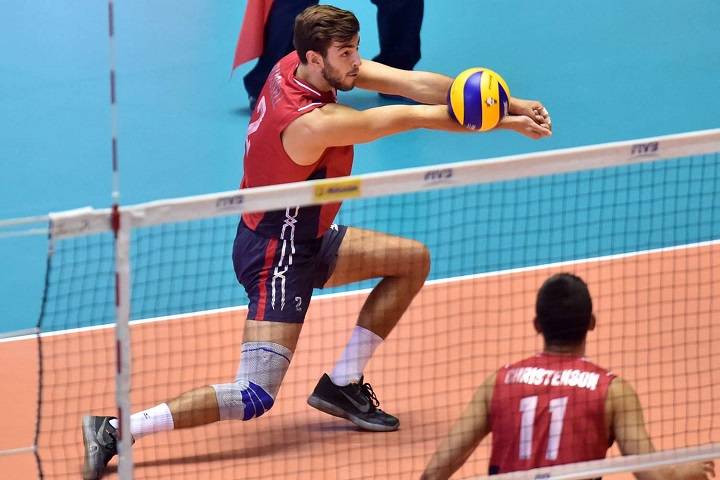
The bump, also known as the pass, is a fundamental technique for receiving serves and setting up plays. Players use a flat platform formed by joining their wrists to pass the ball accurately to teammates. Proper form ensures control and accuracy.
Footwork:
Effective bumping requires proper footwork. Players position themselves with knees bent, weight forward, and arms extended. Quick lateral movements enable players to adjust to the ball’s trajectory and maintain control.
Forearm Pass:
The forearm pass is an alternative to the traditional bump. Players use their forearms to pass the ball, often in situations where a low, fast pass is needed. Developing proficiency in both techniques enhances overall ball control.
Setting Precision: Creating Scoring Opportunities
Hand Positioning:
Setting is a strategic skill that involves placing the ball in a position for a teammate to attack. Players use their fingertips to contact the ball, creating a controlled and accurate set. Proper hand positioning is crucial for precision.
Foot Placement:
A stable base is essential for effective setting. Players position their feet shoulder-width apart, with knees slightly bent. This balanced stance allows for quick movements and precise sets, contributing to offensive efficiency.
Setting Variations:
Advanced players incorporate various setting techniques, including back sets, quick sets, and shoot sets, to add variety and unpredictability to their team’s offensive plays.
Spiking Power: Attacking the Opponent’s Court
Approach and Timing:
The spike, a powerful offensive move, involves a coordinated approach and precise timing. Players take a series of steps, including a final explosive jump, to position themselves for a forceful downward strike. Timing is crucial to outmaneuver blockers.
Hand Position and Contact:
Successful spiking relies on proper hand positioning and contact with the ball. Players aim to contact the ball at the highest point of their jump, using the heel of the hand to deliver a controlled and powerful spike.
Variety in Attacks:
Experienced players diversify their spiking techniques, incorporating tools such as cross-court spikes, line spikes, and tips. This versatility keeps opponents guessing and enhances offensive effectiveness.
Digging: Defensive Excellence
Body Position:
Digging is a defensive skill used to receive spiked balls from the opponent. Players maintain a low, athletic stance, with knees bent and weight forward. This position allows for quick reactions and effective control of the ball.
Forearm Passing:
Similar to the bump in passing, digging involves forearm passing to direct the spiked ball to teammates. The goal is to control the ball and set up a counterattack while preventing it from touching the ground.
Reading the Opponent:
Expert diggers excel in reading the opponent’s body language and anticipating the direction of the spike. This anticipatory skill enables defenders to position themselves optimally and increase the chances of a successful dig.
Mastering Volleyball Skills: Keys to Success
Communication: The Bedrock of Team Coordination
Verbal and Non-Verbal Communication:

Effective communication is fundamental in volleyball. Players use verbal cues and hand signals to convey intentions and strategies. Clear communication fosters teamwork, coordination, and a cohesive playing style.
Calling the Ball:
Players articulate their intentions by calling the ball during plays. This verbal acknowledgment informs teammates of their plan, reducing the risk of collisions and ensuring optimal positioning on the court.
Team Huddles and Signals:
Teams often use huddles and signals to discuss strategies, analyze opponents, and boost morale. Establishing a shared language enhances overall understanding and cohesion during matches.
Teamwork: Orchestrating Seamless Plays
Positional Awareness:
Each player’s awareness of their position and responsibilities contributes to effective teamwork. Understanding the roles of teammates allows for seamless transitions between offensive and defensive plays.
Supporting Teammates:
Players actively support teammates by covering for one another, providing backup when needed, and maintaining positive morale. A cohesive team dynamic is vital for overcoming challenges and adapting to the ebb and flow of a match.
Trust and Chemistry:
Building trust and chemistry among teammates is an ongoing process. Shared experiences, practice sessions, and a supportive team culture foster a sense of unity and confidence on the court.
Agility and Reflexes: Navigating the Fast-Paced Game
Agility Drills:
Volleyball demands quick movements and rapid changes in direction. Agility drills, such as ladder drills and cone exercises, enhance players’ ability to react swiftly to the ball’s trajectory and adjust their positioning.
Reaction Time Training:
Improving reaction time is crucial for both offensive and defensive plays. Players engage in specific drills and exercises to enhance their reflexes, enabling them to respond promptly to opponents’ serves and spikes.
Dynamic Warm-ups:
Dynamic warm-up routines prepare players for the physical demands of volleyball. These routines include dynamic stretching, footwork drills, and agility exercises to optimize performance and reduce the risk of injuries.
Mental Toughness: Thriving Under Pressure
Focus and Concentration:
Maintaining focus during intense rallies is a hallmark of mental toughness. Players cultivate concentration skills to stay engaged in the game, track the ball, and make split-second decisions.
Resilience in Setbacks:
Volleyball is a game of momentum shifts, and setbacks are inevitable. Mental resilience involves bouncing back from errors, learning from mistakes, and maintaining a positive mindset to contribute positively to the team.
Visualization Techniques:
Visualization is a powerful tool for enhancing mental toughness. Players visualize successful plays, positive outcomes, and effective teamwork, reinforcing a confident and determined mindset on the court.
Elevating Skills through Training and Drills
Individual Skill Development: A Personalized Approach
Targeted Serving Practice:
Players focus on specific aspects of serving, such as accuracy, spin, and power, during individual practice sessions. Targeted serving practice enhances the consistency and effectiveness of serves.
Solo Passing Drills:
Individual passing drills allow players to refine their bumping and forearm passing techniques. Players practice controlling the ball’s trajectory and honing their ball-handling skills.
Setting Against a Wall:
Setting against a wall is a solo drill that improves hand positioning and control. Players execute sets against a wall, focusing on accuracy and consistency in their setting technique.
Partner Drills: Building Synergy
Serve and Receive Drills:
Serve and receive drills involve players alternating between serving and receiving. This dynamic drill enhances serving accuracy and reception skills while simulating real-game scenarios.
Setting and Spiking Sequences:
Players pair up to practice setting and spiking sequences. This partner drill refines coordination between setters and hitters, allowing for seamless offensive plays during matches.
Digging and Setting Combinations:
Combining digging and setting drills with a partner simulates defensive scenarios. Players work on quick transitions from defensive digs to precise sets, contributing to overall defensive and offensive proficiency.
Team-Based Scenarios: Mimicking Match Conditions
Simulated Matches:
Teams engage in simulated matches during practice sessions to replicate real-game conditions. These scenarios allow players to apply skills in a dynamic environment, fostering adaptability and strategic thinking.
Scrimmages and Controlled Games:
Scrimmages and controlled games provide opportunities for players to implement tactical strategies, test their skills, and refine teamwork. Coaches use these sessions to assess individual and team performance.
Pressure Situations:
Creating pressure situations during practice, such as tight scorelines or simulated championship scenarios, prepares players for the mental challenges of competitive matches. This approach builds resilience and confidence under pressure.
Related Post:
The Dynamics of Soccer Teams: How Many Soccer Players Are on The Field
Understanding How Many Players on An American Football Team Total Play in A Team
Unveiling the Duration: How Long Are Basketball Quarters in Different Leagues?
In the vibrant tapestry of volleyball, mastering the basics is the foundation upon which extraordinary plays, strategic brilliance, and team triumphs are built. Whether serving with precision, executing seamless sets, or delivering powerful spikes, each skill contributes to the dynamic and captivating nature of the game.
As players embark on the unending journey of volleyball excellence, they navigate not only the dimensions of the court but also the landscapes of personal growth, teamwork, and strategic acumen. From the rhythmic cadence of a well-executed bump to the soaring height of a perfectly timed spike, volleyball skills unfold in a symphony of athleticism and precision.
So, whether you’re a novice honing your serving technique or a seasoned player perfecting the art of spiking, the pursuit of volleyball mastery promises an exhilarating odyssey on the court—an odyssey where each skill, each rally, and each triumphant point contribute to the timeless allure of the game.