

In the electrifying basketball world, the court becomes a battlefield where strategy, skill, and teamwork intersect. At the heart of the game’s structure lies the concept of periods, delineating the rhythmic flow of play and orchestrating the drama on the court. In this comprehensive exploration, we delve into the nuances of basketball periods, examining the rules, strategic considerations, and the unfolding narrative that defines the ebb and flow of the game.
Understanding the Basics of Basketball Periods
Standard Period Structure
Quarters:

In most traditional basketball games, the play is organized into four quarters, each constituting a segment of the overall game time. The duration of each quarter varies across different leagues and levels of play, commonly ranging from 10 to 12 minutes.
Halftime Break:
After the second quarter, there is a halftime break. This intermission allows players to rest, strategize, and regroup for the second half of the game. It is a pivotal moment for coaches to adjust tactics and address team dynamics.
Alternative Formats: Halves and Period Length Variations
Halves:
While the quarter system is standard, some basketball leagues and variations employ a two-half structure. In this format, the game consists of two halves, each with its own distinct duration. College basketball, for example, features two 20-minute halves.
FIBA and International Play:
In international basketball governed by FIBA (Fédération Internationale de Basketball), the standard format is two halves, each lasting 10 minutes. This deviation from the quarter system reflects the global diversity in basketball regulations.
Youth and Amateur Levels:
At the youth and amateur levels, the duration of quarters or halves may be adjusted to accommodate developmental considerations and game logistics. Shorter periods are common in youth basketball to ensure an age-appropriate and engaging experience.
Navigating the Flow of the Game
Game Clock Management
Shot Clock:

In addition to the game clock that measures the overall duration of each period, basketball introduces the concept of a shot clock. The shot clock imposes a time limit on offensive possessions, typically 24 seconds in the NBA and FIBA. Teams must attempt a shot before the shot clock expires, adding urgency and strategic depth to the game.
Buzzer Beaters:
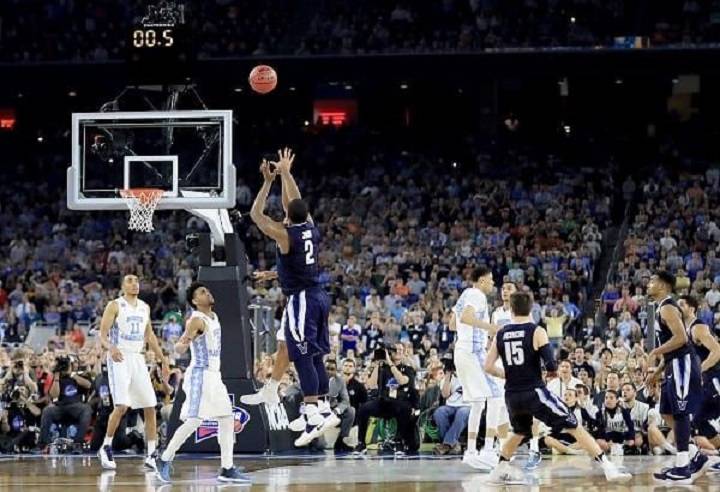
The term “buzzer beater” refers to a shot successfully made just before the game or shot clock buzzer sounds. These last-second shots can dramatically impact the score and add an element of suspense to the game’s conclusion.
Overtime: Extended Drama
Tie Games:
In the event of a tie at the end of regulation play, basketball introduces overtime periods to determine a winner. Overtime extends the game in additional segments, each typically lasting five minutes. The process continues until one team secures victory.
Pressure Situations:
Overtime periods intensify the pressure, as teams strive to outscore their opponents within the limited timeframe. The sudden-death nature of overtime adds an extra layer of excitement and drama to closely contested matchups.
Strategic Adjustments:
Coaches must make strategic adjustments on the fly during overtime, considering factors such as player fatigue, foul trouble, and the evolving dynamics of the game. Overtime showcases the resilience and adaptability of teams in high-stakes situations.
Benchmarking Basketball Periods: Scoring and Momentum Shifts
Scoring Goals: Points as Performance Metrics
Total Points:
Basketball periods are benchmarked not only by time but also by the accumulation of points. Teams aim to outscore their opponents by making successful field goals, three-pointers, and free throws. The total points at the end of each period contribute to the overall score.
Offensive Efficiency:
Efficient scoring involves capitalizing on offensive opportunities while minimizing turnovers. Teams strategically employ plays, ball movement, and player positioning to create high-percentage scoring chances.
Momentum Shifts: The Psychological Game
Runs and Streaks:
Basketball is a game of momentum, with teams often experiencing runs or streaks where they score consistently or prevent their opponents from scoring. Capturing and maintaining momentum can be a game-changer, influencing the outcome of periods and the overall contest.
Timeouts and Strategic Pauses:
Coaches strategically use timeouts to disrupt opposing runs, regroup their players, and make tactical adjustments. The psychological impact of well-timed timeouts extends beyond physical rest, influencing the flow of the game.
Home-Court Advantage:
The energy of the crowd, often referred to as the “sixth man,” contributes to home-court advantage. Momentum swings fueled by crowd support can be a decisive factor, especially during critical periods of the game.
Strategies and Considerations in Basketball Periods
Foul Management and Free Throws
Personal and Team Fouls:
Fouls committed by players accrue both individually and as a team. Individual players may face disqualification if they accumulate a certain number of personal fouls, while team fouls can result in free throw opportunities for the opponent.
Bonus and Double Bonus:
When a team reaches a specified number of team fouls in a period, the opposing team enters the bonus. This means that subsequent fouls result in free throws. In the double bonus, teams receive free throws for every foul, providing additional scoring opportunities.
Strategic Foul Use:
In late-game situations, teams might strategically commit fouls to stop the clock and force the opponent to earn points from the free-throw line. This tactic, known as “fouling to extend the game,” requires careful execution to balance risks and rewards.
Substitutions and Player Rotation
Managing Player Fatigue:
Basketball periods demand physical exertion, and managing player fatigue is crucial for sustained performance. Coaches strategically employ substitutions to ensure that players remain energized and focused throughout the game.
Specialized Roles:
Substitutions allow coaches to deploy players with specialized skills for specific game situations. Defensive specialists, three-point shooters, and rebounding experts can be strategically inserted to address the evolving needs of each period.
Strategic Rest:
Coaches may strategically rest key players during specific periods or timeouts to optimize their performance during critical moments. Balancing rest and playing time is a key consideration in maximizing a team’s overall effectiveness.
Analyzing Basketball Periods: Stats and Performance Metrics
Box Scores and Statistical Analysis
Points by Quarter:
Box scores provide a breakdown of points scored by each team in each quarter. Analyzing these statistics reveals trends, scoring patterns, and the impact of strategic decisions made by coaches during specific periods.
Field Goal Percentage:
Efficient shooting is reflected in field goal percentage, which measures the ratio of successful field goals to attempts. Teams that maintain high field goal percentages often demonstrate effective offensive execution.
Rebounding Totals:
Rebounding prowess contributes significantly to a team’s success. Analyzing rebounding totals by quarter provides insights into a team’s ability to control the boards, secure second-chance opportunities, and limit opponents’ scoring chances.
Plus/Minus and Player Impact
Plus/Minus Rating:
The plus/minus statistic evaluates a team’s performance when a specific player is on the court. It calculates the point differential during a player’s playing time, providing a measure of their impact on the team’s success in each period.
Key Player Contributions:
Examining individual player statistics, including points scored, assists, steals, and blocks, offers a detailed understanding of their contributions to each period. Key players often emerge as catalysts during critical junctures.
On-Court Chemistry:
The interactions and chemistry between players on the court can be observed through shared playing time. Lineup combinations that exhibit positive synergy contribute to a team’s success in individual periods.
Strategies for Excelling in Basketball Periods
Fast Starts and Strong Finishes
Establishing Momentum:
Beginning each period with energy and focus sets the tone for the game. Teams aim for fast starts to gain an early advantage and establish positive momentum. Quick scoring and defensive stops contribute to early-period success.
Closing Out Quarters:
Strong finishes are equally crucial, especially towards the end of quarters. Teams strategically aim to close out periods with well-executed plays, defensive stops, and, if needed, buzzer-beating shots to secure momentum heading into the next quarter.
Adjusting Tactics: In-Game Adaptability
Coaching Decisions:
Coaches play a pivotal role in shaping the flow of each period. Their in-game decisions, such as substitutions, timeouts, and strategic adjustments, influence the team’s performance and response to evolving situations.
Tactical Variations:
Basketball is dynamic, and successful teams adapt their tactics based on the opponent’s strategies, strengths, and weaknesses. Tactical variations within periods showcase a team’s versatility and strategic acumen.
Counteracting Opponent Runs:
Opponent runs, where a team scores consistently, pose a challenge. Successful teams employ strategies to disrupt opponent runs, whether through defensive adjustments, timeouts, or strategic plays designed to regain control.
Related Post:
Exploring the Sporting Landscape: Unveiling the Diversity of Sports
Decoding the Dynamics: Unveiling the Duration of an Inning in Baseball
Deciphering the Dynamics: Unraveling Every Football Position
In the captivating tapestry of basketball, each period contributes to the pulsating rhythm of the game—an intricate dance of athleticism, strategy, and teamwork. From the fast-paced starts that ignite the court to the nail-biting finishes that leave fans on the edge of their seats, basketball periods shape the narrative of each contest.
As players sprint up and down the court, coaches orchestrate tactical maneuvers, and fans roar in anticipation, the ebb and flow of basketball periods become a reflection of the sport’s enduring allure. Whether it’s the precision of a last-second shot, the strategic brilliance of a well-timed timeout, or the collective effort of a team rallying in overtime, the dynamics of basketball periods promise an ever-unfolding drama on the hardwood—an enduring saga where each period adds a new chapter to the storied history of the game.