

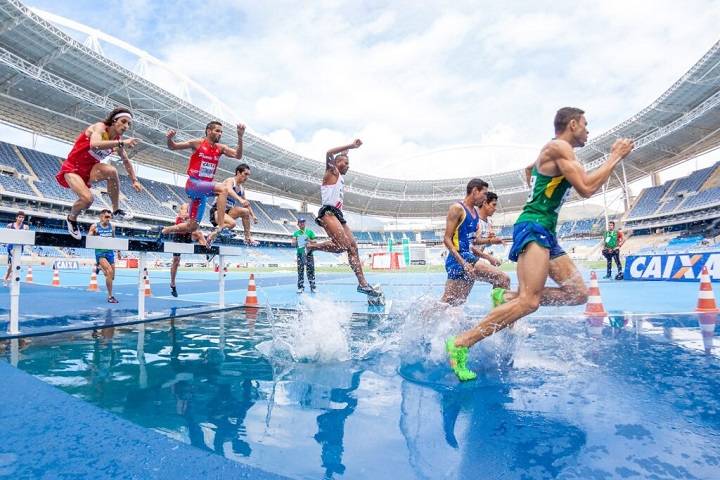
Sports, a global phenomenon, encompass a vast and diverse landscape where athleticism, strategy, and passion converge to create a tapestry of competition and camaraderie. The world of sports is as rich and varied as the cultures it represents, offering a myriad of disciplines that cater to different interests and preferences. In this comprehensive exploration, we unravel the intricacies of various sports, examining the unique characteristics, rules, and nuances that define each one.
Understanding the Spectrum of Sports
The Diversity of Sports: From Team Games to Solo Pursuits
Team Sports:

Team sports involve organized competition between two or more teams. Players collaborate to achieve common objectives, showcasing the importance of teamwork, strategy, and communication. Examples include soccer, basketball, and rugby.
Individual Sports:
Individual sports focus on the performance of individual athletes. Success is determined by individual skill, technique, and physical prowess. Notable examples include tennis, golf, and boxing.
Olympic Sports: The Global Stage of Athletic Excellence
Olympic Movement:
The Olympic Games serve as a global celebration of athletic prowess, bringing together athletes from around the world. Olympic sports cover a wide range of disciplines, including track and field, swimming, gymnastics, and many more.
Summer and Winter Olympics:
The Olympic Games are held in both summer and winter editions, showcasing a diverse array of sports. Summer Olympics feature sports like athletics, gymnastics, and cycling, while winter editions include sports such as skiing, ice hockey, and figure skating.
Sports Categories and Genres
Ball Sports: The Thrill of Precision and Coordination
Soccer (Football):

Soccer, known as football in most parts of the world, is a global phenomenon. Played between two teams of eleven players each, the objective is to score goals by propelling the ball into the opponent’s net using any part of the body except the hands and arms.
Basketball:
Basketball is a fast-paced team sport played on a rectangular court. Teams aim to score points by shooting a ball through the opponent’s basket, mounted 10 feet above the floor. Dribbling, passing, and strategic play are key components.
Baseball:
Baseball is a bat-and-ball game played between two teams. The defensive team aims to prevent the offensive team from scoring runs by throwing a ball and fielding hits. The offensive team tries to score runs by hitting the ball and running around bases.
Cricket:
Cricket is a bat-and-ball game that originated in England and is widely popular in countries like India, Australia, and England. It involves two teams, with one team batting and the other bowling and fielding. The objective is to score runs and dismiss the opposition.
Racquet Sports: Precision and Agility in Action
Tennis:
Tennis is a racket sport played either between two players (singles) or two teams of two players each (doubles). Players use a racket to hit a ball over a net, aiming to land the ball in the opponent’s court in a way that makes it difficult to return.
Badminton:
Badminton is a racquet sport played with a shuttlecock, a feathered or synthetic projectile. Players or teams take turns hitting the shuttlecock over the net, aiming to score points by making it land in the opponent’s court.
Table Tennis:
Table tennis, also known as ping pong, is a fast-paced indoor sport played on a rectangular table divided by a net. Players use paddles to hit a lightweight ball back and forth across the table, aiming to score points by making the ball land in the opponent’s half.
Combat Sports: Discipline and Strategy in Battle
Boxing:
Boxing is a combat sport where two opponents engage in a contest of strength, speed, and skill. The objective is to score points by landing punches on the opponent while avoiding their attacks. Knockouts or points determine the winner.
Martial Arts:
Martial arts encompass a wide range of disciplines, including karate, judo, taekwondo, and Brazilian jiu-jitsu. These sports emphasize a combination of physical fitness, mental discipline, and specific techniques for offense and defense.
Wrestling:
Wrestling involves two competitors grappling with each other, aiming to gain control and score points. The objective is to pin the opponent’s shoulders to the mat or achieve other point-scoring maneuvers.
Athletics: Showcasing Human Potential and Speed
Track and Field:
Track and field events showcase a variety of athletic disciplines, including sprints, middle-distance and long-distance running, throwing events, and jumping events. Athletes compete individually or as part of a relay team.
Gymnastics:
Gymnastics involves a series of physical exercises that showcase strength, flexibility, and agility. Artistic gymnastics features events like the vault, uneven bars, balance beam, and floor exercise, while rhythmic gymnastics emphasizes routines with apparatus like hoops and ribbons.
Swimming:
Swimming competitions involve various strokes, including freestyle, backstroke, breaststroke, and butterfly. Swimmers compete in individual and relay events, aiming to cover specific distances in the shortest time.
Extreme and Adventure Sports: Pushing Limits and Boundaries
Snowboarding:
Snowboarding is an extreme sport that involves descending on a snow-covered slope on a snowboard. Athletes perform tricks and maneuvers while navigating the terrain. Snowboarding is popular in both winter sports resorts and dedicated snow parks.
Surfing:
Surfing involves riding ocean waves on a surfboard. Surfers use their skills to catch and ride waves, showcasing a blend of balance, agility, and wave-reading ability. Surfing is practiced in various coastal locations worldwide.
Rock Climbing:
Rock climbing is an adventure sport that involves ascending natural rock formations or artificial climbing walls. Climbers use a combination of physical strength, mental focus, and technical skills to reach the summit.
Benchmarking Sporting Excellence
Scoring Systems: Goals, Points, and Rounds
Goals Scored:
In sports like soccer, basketball, and hockey, scoring is based on goals. Teams or individuals aim to score by propelling a ball or puck into the opponent’s goal or basket.
Points Accumulated:
Many sports, including tennis, badminton, and table tennis, use a points system. Players or teams accumulate points based on the outcome of rallies or rounds, with the objective of surpassing the opponent’s score.
Rounds and Decisions:
In combat sports like boxing and martial arts, matches are often divided into rounds. Judges may determine the winner based on points scored, or matches may end with knockouts or other decisive outcomes.
Speed and Endurance Records
Sprinting Records:
Athletics events, particularly sprints, showcase speed and explosive power. Records in events like the 100 meters and 200 meters highlight the fastest times recorded by sprinters.
Endurance Challenges:
Long-distance running events, such as marathons and ultramarathons, test athletes’ endurance. Records in these events reflect the longest distances covered in the shortest time.
Skill Demonstrations: Artistry and Precision
Artistic Elements:
Sports like gymnastics and figure skating include artistic elements in their scoring criteria. Judges assess athletes based on factors like creativity, style, and execution of routines.
Precision in Technique:
Sports such as archery, shooting, and golf require precision in technique. Scoring is often based on accuracy and consistency in executing specific skills.
Strategies for Excelling in Different Sports
Training Approaches: Specialized and Cross-Training
Specialized Training:
Athletes in specific sports often undergo specialized training tailored to the demands of their discipline. This may include drills, exercises, and simulations that mimic game conditions.
Cross-Training:
Some athletes engage in cross-training, incorporating activities from different sports to enhance overall fitness and skill development. Cross-training can improve agility, strength, and cardiovascular endurance.
Positional Awareness: Team Coordination and Individual Roles
Team Coordination:
In team sports like soccer and basketball, coordination among players is crucial. Teams develop strategies, set plays, and communicate on the field to achieve collective objectives.
Individual Roles:
Understanding and executing individual roles are essential in team sports. Each player has specific responsibilities based on their position, contributing to the overall success of the team.
Tactical Approaches: Offensive and Defensive Strategies
Offensive Strategies:
Teams develop offensive strategies to score points or goals. This may involve set plays, ball movement, and creating scoring opportunities through coordinated attacks.
Defensive Strategies:
Defensive tactics focus on preventing the opponent from scoring. This includes strategies like pressing, zone defense, and counterattacks to disrupt the opposing team’s plans.
Related Post:
The Grand Slam Quest: Journey through Baseball’s Greatest Moments
Pickleball: The Fast-Growing Phenomenon Sweeping the Sports World
The Golfer’s Journey: From Tee to Trophy
As we traverse the expansive world of sports, we encounter a mosaic of disciplines that cater to diverse interests and showcase the incredible range of human capabilities. Whether it’s the precision of a well-executed shot, the camaraderie of a team working in unison, or the adrenaline of extreme feats, each sport contributes to the rich tapestry of athletic excellence.
Sports enthusiasts, whether avid participants or dedicated spectators, find inspiration in the pursuit of excellence across various disciplines. From the grand stages of international competitions to local fields where dreams are nurtured, the allure of sports transcends cultural boundaries—it becomes a universal language of passion, determination, and triumph. So, whether a team aims for championship glory or an individual revels in the joy of personal achievements, the journey unfolds, and the diversity of sports beckons, promising an ever-enriching odyssey in the world of athletic pursuits.