

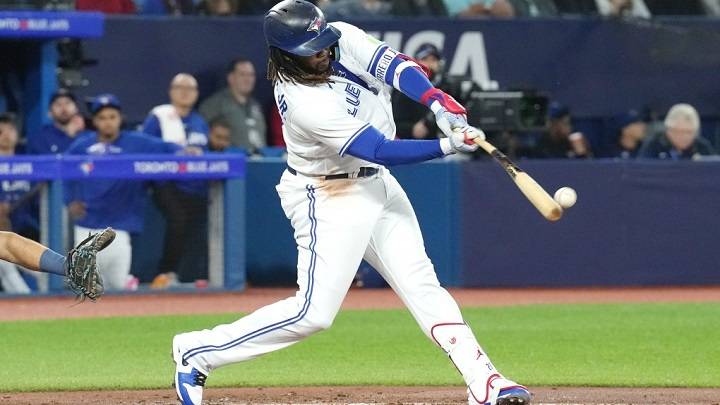
Baseball, often hailed as America’s pastime unfolds on the diamond where strategy, skill, and athleticism converge in a timeless rhythm. At the heart of every baseball game is the inning, a unit of play that structures the flow of the match. In this comprehensive exploration, we unravel the intricacies of how long an inning lasts in baseball, examining the factors that influence its duration and the nuances that shape the game.
Understanding Baseball Innings
The Basics: Innings and the Nine-Inning Game
Inning Structure:

An inning is a division of a baseball game during which both teams have a turn to bat and a turn to field. A standard baseball game consists of nine innings for each team. The team with the most runs at the end of the nine innings is declared the winner.
Top and Bottom:
Each inning is further divided into two halves—the top half and the bottom half. In the top half, the visiting team bats, while the home team fields. The roles reverse in the bottom half, with the home team batting and the visiting team fielding.
Three Outs and Switching Sides
Outs:
An inning continues until three outs are recorded for the batting team. Outs occur when a batter is struck out, a batted ball is caught before it touches the ground, or a defensive player forces a runner out by touching a base with the ball before the runner reaches it.
Switching Sides:
After three outs, the teams switch roles, transitioning from offense to defense or vice versa. The defensive team takes the field, and the offensive team sends its players to bat.
Factors Influencing Inning Duration
Offensive Factors: Hits, Walks, and Runs
Hits:
The number of hits, or successful strokes by a batter that allows them to reach base, significantly impacts the duration of an inning. Multiple hits in succession can prolong an inning as more players get on base.
Walks:
A walk occurs when a pitcher throws four balls to a batter, allowing the batter to advance to first base. Walks contribute to extending an inning, as they provide additional opportunities for runners to advance.
Runs Scored:
The more runs scored in an inning, the longer it lasts. Runs result from batters successfully reaching and rounding the bases, adding to the complexity and duration of the inning.
Defensive Factors: Strikes, Outs, and Fielding Plays
Strikes:
Pitchers aim to throw strikes, pitches that are within the strike zone and not swung at by the batter. Strikes contribute to recording outs and ending the offensive team’s turn at bat.
Outs Recorded:
The defensive team seeks to record outs efficiently to limit the duration of the inning. Quick outs, such as strikeouts or routine fielding plays, help shorten defensive innings.
Fielding Plays:
The complexity of fielding plays, such as double plays or outfield catches, can influence the duration of the inning. Exceptional defensive plays may extend the inning by preventing runs and recording additional outs.
Inning Formats and Game Variations
Regulation Nine-Inning Game
Standard Game Duration:

In a regulation nine-inning game, each inning typically lasts until three outs are recorded for both the visiting and home teams. The game progresses through nine innings, and the team with the most runs at the end is declared the winner.
Extra Innings:
If the score is tied at the end of nine innings, extra innings are played to determine a winner. Each extra inning follows the same structure as a standard inning, with both teams having an opportunity to bat and field.
Doubleheaders and Seven-Inning Games
Doubleheaders:
Doubleheaders involve playing two games in one day, often due to scheduling constraints or makeup games. Each game in a doubleheader is a standard nine-inning contest.
Seven-Inning Games:
In some situations, such as doubleheaders or certain minor league games, each inning is shortened to seven innings. This format aims to reduce the overall duration of the game.
Benchmarking Inning Excellence
Pitcher Dominance: Quick Innings and Strikeouts
Quick Innings:
Pitchers who efficiently retire batters with minimal pitches contribute to quick innings. Quick innings can be a benchmark of a pitcher’s command and effectiveness.
Strikeouts Per Inning:
The number of strikeouts recorded by a pitcher per inning showcases their ability to overpower batters. High strikeout rates can lead to shorter defensive innings.
Offensive Prowess: Run Production and Base Hits
Run Production:
Innings characterized by high run production showcase the offensive prowess of a team. Consistent scoring and effective base running contribute to longer offensive innings.
Base Hits:
The frequency of base hits in an inning indicates a team’s ability to reach base and create scoring opportunities. Multiple base hits in an inning extend offensive turns.
Factors Influencing Inning Strategies
Pitching Changes: Tactical Adjustments
Relief Pitchers:
Teams strategically make pitching changes to bring in relief pitchers with specific strengths. This tactical move aims to exploit matchups and limit the opposing team’s offensive effectiveness.
Specialized Relievers:
Specialized relief pitchers, such as left-handed specialists or closers, are often employed for specific situations. These pitchers aim to neutralize opposing batters and secure crucial outs.
Offensive Strategies: Small Ball and Power Hitting
Small Ball:
Some teams employ “small ball” strategies, focusing on tactics like bunting, stealing bases, and hit-and-run plays to advance runners. These strategies may lead to longer offensive innings.
Power Hitting:
Teams with power hitters who can deliver extra-base hits and home runs have the potential to score quickly and efficiently. Power hitting can shorten offensive innings.
Strategies for Optimizing Inning Duration
Pitcher Efficiency: Control and Varied Pitches
Controlled Pitches:
Pitchers aim for control and precision to consistently throw strikes. Well-placed pitches limit the number of balls, forcing batters into defensive positions.
Varied Pitches:
Pitchers who incorporate a variety of pitches, including fastballs, curveballs, and change-ups, can keep batters off balance. Mixing pitches effectively contributes to quick outs.
Offensive Plate Discipline: Selective Batting
Plate Discipline:
Batters with disciplined plate approaches are selective in their swings, waiting for pitches within their hitting zones. Patient batting can lead to walks and prolonged offensive turns.
Contact Hitting:
Batters who focus on making contact with the ball, even if it means hitting singles, contribute to offensive consistency. Contact hitters can extend innings by keeping the lineup in motion.
Defensive Agility: Quick Fielding and Strategic Positioning
Quick Fielding:
Defensive players who react swiftly to batted balls and make routine plays efficiently contribute to shorter innings. Quick fielding minimizes offensive opportunities.
Strategic Positioning:
Teams that employ strategic defensive positioning based on scouting reports can anticipate hitters’ tendencies. Well-positioned defenses limit hits and contribute to shorter defensive innings.
Related Post:
The Pigskin Chronicles: Inside the World of American Football
Pickleball: A Cross-Generational Craze Sweeping the Sports World
Pickleball: A Smash Hit Sweeping the Sports World
In the intricate world of baseball, the duration of an inning is a reflection of the strategic battles waged on the diamond. Whether it’s the precision of a pitcher’s delivery, the strategic maneuvers of an offensive lineup, or the agility of a defensive unit, every inning weaves a tapestry that defines the essence of the game.
As baseball enthusiasts immerse themselves in the ebb and flow of innings, they witness the timeless contest between bat and ball, strategy and execution. From the iconic stadiums hosting major league clashes to local diamonds where the love for the game is cultivated, the pursuit of inning excellence transcends individual achievements—it becomes a manifestation of the enduring spirit of baseball. So, whether a team vies for a World Series title or a player cherishes the joy of a perfectly executed play, the journey unfolds, and the allure of how long an inning lasts in baseball beckons, promising an ever-evolving saga on the diamond.