

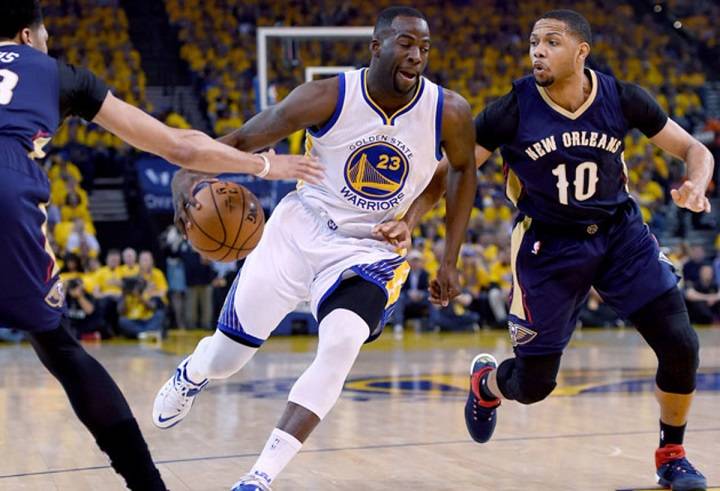
Basketball, a globally celebrated sport, not only enthralls fans with its fast-paced action and dazzling plays but also beckons attention with the financial landscape that surrounds its top-tier players. The question echoing through arenas and boardrooms alike is, “How much does a basketball player make?” In this in-depth exploration, we unravel the intricate layers of earnings in professional basketball, examining contracts, endorsements, and the financial dynamics that define the lucrative world of elite hoopsters.
The Salary Structure: Contracts and Compensation Packages
NBA Salary Tiers
Rookie Contracts:

For aspiring players entering the NBA, rookie contracts mark the initial step into the professional realm. These contracts are structured based on the NBA’s Collective Bargaining Agreement (CBA) and are determined by a player’s draft position. First-round picks typically receive higher salaries than their second-round counterparts.
Veteran Contracts:
As players progress in their careers, they become eligible for more lucrative veteran contracts. The NBA salary cap, a stipulated limit on the total amount teams can spend on player salaries, influences the scale of these contracts. Superstar players often sign maximum contracts, earning the highest possible salary allowed under the cap.
Maximum Contracts and Supermax Deals
Max Contracts:
Max contracts, as the name suggests, represent the maximum amount a player can earn under the salary cap. These contracts are typically reserved for marquee players who have demonstrated exceptional skill and value to their teams. The duration of max contracts varies, with the potential for extensions or renegotiations.
Supermax Deals:
The concept of the supermax deal was introduced to incentivize players to stay with their current teams. Players meeting certain criteria, such as being with the same team for a specified number of years and earning All-NBA Team selections, become eligible for supermax contracts. These contracts offer even more substantial earnings than traditional max deals.
Beyond the Court: Endorsements and Off-Court Ventures
Endorsement Deals
Brand Partnerships:

Endorsement deals form a significant component of a basketball player’s income. Superstar players, recognized globally, become brand ambassadors for major companies. Shoe deals, in particular, are highly lucrative, with players often having signature lines that contribute substantially to their earnings.
Global Appeal:
The international popularity of the NBA extends the reach of endorsement deals. Players with global appeal, often showcased through their on-court prowess and off-court charisma, attract endorsements from companies looking to leverage the athletes’ star power in diverse markets.
Off-Court Ventures
Business Ventures:
Many basketball players venture into business and entrepreneurship, diversifying their income streams. From fashion lines and restaurant investments to tech startups, players explore a range of industries, leveraging their brand and financial acumen.
Media and Entertainment:
Beyond the hardwood, players often find opportunities in the media and entertainment sectors. Broadcasting, acting, and hosting ventures contribute not only to their earnings but also to their visibility and personal brand.
Evolving Contracts and Financial Trends
Changing Dynamics in Contract Negotiations
Short-Term Contracts:
Recent trends have seen players opting for shorter-term contracts, providing flexibility to capitalize on changing market conditions. This approach allows players to reassess their value and renegotiate contracts more frequently.
Player Options and Flexibility:
Contracts with player options grant athletes the ability to decide whether to opt out of the deal before its expiration. This flexibility enables players to explore new opportunities or negotiate more favorable terms based on their performance and market demand.
The Impact of Marketability and Social Media
Marketability Quotient:
A player’s marketability, influenced by factors such as charisma, social media presence, and community engagement, plays a role in both endorsement opportunities and contract negotiations. The ability to transcend the game and connect with a broader audience enhances a player’s overall earning potential.
Social Media Influence:
The rise of social media platforms has amplified players’ ability to engage with fans directly. Players leverage platforms like Instagram, Twitter, and YouTube not only for personal expression but also as marketing tools, enhancing their marketability and attracting brand partnerships.
Navigating Financial Landscapes: Wealth Management and Advisers
Financial Advisers and Agents
Player Agents:
Navigating the complex world of contracts and negotiations often requires the expertise of player agents. These professionals specialize in contract negotiations, endorsement deals, and overall career management. Agents play a crucial role in securing favorable terms for their clients.
Wealth Management:
As players accumulate wealth, prudent financial management becomes paramount. Wealth managers guide players in investment decisions, estate planning, and overall financial strategies to ensure long-term financial security.
Financial Literacy Initiatives
Player Empowerment:
The NBA, recognizing the importance of financial literacy, has implemented initiatives to educate players on managing their finances. Workshops and programs aim to empower players with the knowledge needed to make informed financial decisions and avoid common pitfalls.
Public Perception and Economic Realities
Public Scrutiny and Salary Disclosures
Media Scrutiny:
The salaries of top basketball players often become the subject of media scrutiny and fan discussions. Contract details, endorsements, and overall earnings are scrutinized in the public domain, contributing to the ongoing narrative around player value.
Impact on Player Performance:
The visibility of player salaries can sometimes create added pressure on athletes to perform at an exceptionally high level. Public expectations, fueled by knowledge of lucrative contracts, heighten the scrutiny on player performance.
Inequalities and Social Advocacy
Gender Disparities
Gender Pay Gap:
While male basketball players command substantial salaries and endorsement deals, gender disparities persist in the world of sports. Female basketball players, despite their achievements, face a significant gender pay gap, prompting conversations about equity and representation.
Advocacy for Change:
Players, both male and female, have become vocal advocates for addressing gender disparities in sports. Initiatives supporting equal pay and increased visibility for female athletes aim to reshape the landscape of basketball and sports at large.
Related Post:
Decoding Fullback vs. Halfback in American Football
Mastering the Art of Precision: Exploring the Types of Basketball Passes
Navigating the Landscape of Eastern Conference Teams in Professional Sports
As we delve into the financial dimensions of basketball, the question of “How much does a basketball player make?” unravels a tapestry woven with contracts, endorsements, and the evolving dynamics of the sports and entertainment industry. For players, it’s a delicate dance between on-court excellence and off-court ventures, with financial literacy and strategic decision-making serving as essential partners on this journey.
The basketball court, once solely a battleground for hoops supremacy, now extends its influence into the realms of business, media, and societal change. Whether through groundbreaking contracts, transformative endorsements, or advocacy for equality, basketball players wield their influence far beyond the three-point line. As the financial landscapes continue to evolve, so too does the narrative of success in the dynamic world of professional basketball.