

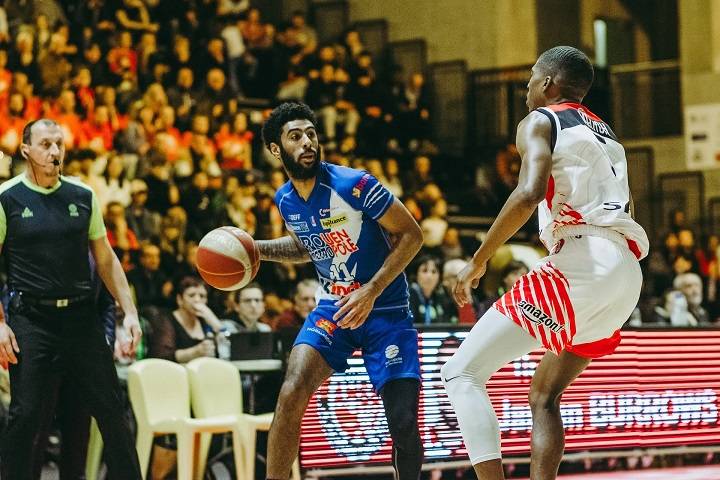
In the dynamic realm of basketball, where split-second decisions and seamless teamwork define success, the art of passing reigns supreme. The ability to deliver precise, well-timed passes is a hallmark of elite playmaking, unraveling defenses and creating scoring opportunities. In this comprehensive exploration, we embark on a journey through the various types of basketball passes, dissecting their mechanics, strategic applications, and the impact they have on the flow of the game. From fundamental chest passes to flashy no-look passes, join us as we delve into the intricacies of passing in basketball.
The Fundamentals: Building Blocks of Effective Passing
Chest Pass: A Timeless Staple

The chest pass is the bread and butter of basketball passing, embodying simplicity and accuracy. Executed by pushing the ball directly from the chest with both hands, the chest pass is a quick and efficient way to move the ball between players, especially in fast-paced situations.
Bounce Pass: Ground-Level Precision
The bounce pass adds an element of unpredictability by sending the ball to a teammate with a controlled bounce. Effective in congested areas, the bounce pass helps navigate defenders and ensures the ball reaches its target at ankle height, minimizing the risk of interceptions.
Overhead Pass: Aerial Elegance
When confronted with defenders or aiming for long-range targets, the overhead pass becomes a valuable tool. Executed by extending the arms above the head, this pass provides a clear line of vision and can cover substantial distances with precision.
Advanced Techniques: Elevating Passing Prowess
Wraparound Pass: Creative Circumvention
The wraparound pass involves curving the ball around a defender to reach a teammate. Often used in tight spaces or to exploit defensive lapses, the wraparound pass showcases a player’s creativity and ability to manipulate the ball’s trajectory.
No-Look Pass: Dazzling Deception
The no-look pass is a flashy maneuver that adds an element of surprise to the game. By averting the gaze from the intended recipient, the passer keeps defenders guessing and opens up passing lanes that might otherwise be closed.
Behind-the-Back Pass: Stylish and Effective
Reserved for players with supreme ball-handling skills, the behind-the-back pass involves flicking the ball behind the passer’s back to a waiting teammate. This stylish move not only confounds defenders but also adds a flair of finesse to the game.
Strategic Applications: Choosing the Right Pass for the Situation
Outlet Pass: Igniting the Fast Break

The outlet pass is a key component of fast-break strategies, allowing a rebounder to quickly transition the ball from defense to offense. Typically a long pass, the outlet pass aims to catch opponents off guard and capitalize on the speed of fast-breaking players.
Alley-Oop: The Spectacle of Teamwork
The alley-oop is a high-flying, crowd-pleasing play that involves a perfectly timed pass leading to a player scoring directly at the rim. This strategic move requires synchronization between the passer and the leaping teammate, creating an exhilarating spectacle for fans.
Skip Pass: Changing the Point of Attack
When faced with a well-organized defense, the skip pass comes into play. By rapidly transferring the ball from one side of the court to the other, the skip pass shifts the defensive focus, creating opportunities for open shots or driving lanes.
Position-Specific Passes: Tailoring Techniques to Roles
Post Entry Pass: Feeding the Bigs
In the low-post area, where big men aim to establish position, the post entry pass becomes a critical tool. This pass is designed to deliver the ball accurately into the hands of a teammate in the post, setting the stage for effective scoring moves.
Pick and Roll Pass: Reading the Defense
The pick and roll is a strategic play where a player sets a screen (pick) for a teammate handling the ball, then moves towards the basket (rolls) to receive a pass. The pass in the pick and roll is a nuanced read of the defense, requiring split-second decision-making.
Transition Pass: Capitalizing on Speed
In fast-break situations, transition passes play a pivotal role in capitalizing on speed and catching the defense off balance. Guards, in particular, excel in delivering quick and accurate transition passes to teammates streaking down the court.
Defensive Awareness: Intercepting and Disrupting Passes
Intercepting Passes: Defensive Prowess
On the defensive end, players aim to intercept passes and disrupt the flow of the opposing team. Anticipating passing lanes, using quick hands, and reading the opponent’s intentions are crucial skills for players looking to make defensive impact.
Denial and Deflection: Disrupting Rhythm
Denying a pass and deflecting the ball mid-flight are defensive tactics employed to disrupt offensive rhythm. By pressuring the ball handler and getting hands in passing lanes, defenders can force turnovers and regain possession.
Full-Court Press: Applying Pressure
The full-court press is a defensive strategy where players apply intense pressure on the opposing team from the moment they inbound the ball. This tactic aims to disrupt passing sequences, force turnovers, and create scoring opportunities.
Player Spotlight: Passing Maestros and Visionaries
Magic Johnson: Showtime Virtuoso
Magic Johnson, a basketball legend, was a maestro of passing during the “Showtime” era of the Los Angeles Lakers. Renowned for his no-look passes and unparalleled court vision, Magic orchestrated the offense with flair and precision.
Jason Kidd: Assist Virtuoso
Jason Kidd, a point guard extraordinaire, etched his name in NBA history with his exceptional passing skills. Kidd’s court vision and ability to thread the needle earned him a spot among the all-time assist leaders.
Peyton Manning: Football Precision
While basketball showcases passing in one dimension, football quarterbacks like Peyton Manning demonstrate precision in a three-dimensional space. Manning’s ability to read defenses and deliver accurate passes revolutionized the quarterback position.
Coaching Insights: Nurturing Passing Prowess in Players
Passing Drills: Building Muscle Memory
Coaches employ passing drills to build muscle memory and enhance players’ passing skills. These drills focus on various aspects, including accuracy, speed, and decision-making, fostering a well-rounded passing repertoire.
Game Simulation: Replicating Real-Game Scenarios
Simulating real-game scenarios in practice allows players to refine their passing abilities under pressure. Coaches create situations that mirror the chaos and intensity of actual games, preparing players for diverse in-game challenges.
Emphasizing Decision-Making: The Cognitive Aspect
Passing isn’t just about physical execution; it’s a cognitive skill. Coaches emphasize the importance of decision-making—knowing when to pass, whom to pass to, and which type of pass to use based on the evolving dynamics of the game.
Global Influence: Passing Styles Across Different Leagues
NBA Flair: Showcasing Creativity
The NBA is known for its flair and creativity in passing. From flashy alley-oops to no-look passes, the NBA’s style of play has a profound impact on how the game is perceived globally, influencing players and fans alike.
EuroLeague Precision: Fundamentals First
In European basketball, particularly in the EuroLeague, a strong emphasis is placed on fundamental passing. Precise chest passes, strategic bounce passes, and teamwork-oriented plays define the EuroLeague passing style.
FIFA’s Beautiful Game: Soccer’s Passing Symphony
In the world of soccer governed by FIFA, passing is a symphony of teamwork and precision. From short, quick passes in tiki-taka style to long, sweeping passes that change the point of attack, soccer’s passing dynamics are both art and science.
Evolution of Passing: From Set Plays to Freestyle
Set Plays and Structured Passing: A Tactical Approach
Historically, teams relied on set plays and structured passing sequences to navigate through defenses. Coaches meticulously crafted plays, and players adhered to predefined patterns to create scoring opportunities.
Freestyle Passing: Unleashing Creativity
In the modern era, basketball has embraced freestyle passing, allowing players to unleash their creativity on the court. Improvisational passes, off-the-dribble feeds, and unconventional plays have become integral to the ever-evolving nature of the game.
Innovations in Soccer Passing: From Total Football to Modern Styles
Soccer has witnessed passing innovations, from the Total Football philosophy of the Netherlands in the 1970s to the modern styles of play seen in contemporary football. Teams now blend strategic passing with individual brilliance, creating a dynamic and unpredictable landscape.
Related Post:
Unraveling The Game Clock: Understanding How Many Minutes in A Basketball Game
Navigating the Key: Understanding the 3-Second Violation in Basketball
How Does the NBA Play-In Work: Unraveling the Path to the Playoffs
As we unravel the tapestry of basketball passing, from the fundamental chest pass to the dazzling flair of no-look passes, it becomes evident that passing is not merely a means of moving the ball—it’s an art form. The types of basketball passes serve as strokes on the canvas of the game, creating a masterpiece of teamwork, strategy, and individual brilliance.
Players, from Magic Johnson to Jason Kidd, have elevated passing to an artistry that transcends the confines of the court. Coaches, with their emphasis on decision-making and skill development, shape the next generation of passing virtuosos. Across different leagues and sports, passing styles vary, contributing to the global diversity and richness of the game.
In the ever-evolving landscape of basketball, one constant remains—the enduring significance of precise and strategic passing. It is a language spoken on courts around the world, connecting teammates, confounding defenses, and weaving a narrative that celebrates the beauty of the game. So, whether it’s a fundamental chest pass or a no-look pass that leaves spectators in awe, the artistry of basketball passing continues to captivate and inspire, ensuring its place as an indelible aspect of the sport’s legacy.