


Basketball, a sport characterized by dynamic movements, strategic plays, and intense competition, unfolds on the hardwood court where every inch and boundary plays a crucial role. In this comprehensive exploration, we delve into the intricacies of backcourt violation in basketball, unraveling its significance, the rules that govern it, and its impact on the flow of the game. Join us as we navigate through the dimensions of the basketball court, exploring how the concept of backcourt violation shapes the dynamics of this fast-paced and exhilarating sport.
Deciphering Backcourt Violation in Basketball
Defining Backcourt Violation: The Boundary Breach
Court Division:

In basketball, the court is divided into two main areas—the frontcourt and the backcourt. The frontcourt is the offensive half of the court, extending from the midcourt line to the baseline of the team attempting to score. The backcourt, conversely, includes the defensive half, stretching from the midcourt line to the baseline of the defending team.
Violation Parameters:
Backcourt violation occurs when an offensive team fails to advance the ball from the backcourt to the frontcourt within a specified timeframe. The violation is typically signaled by referees, resulting in a turnover where possession of the ball is awarded to the opposing team.
Player Movements: Navigating the Divide
Establishing Position:
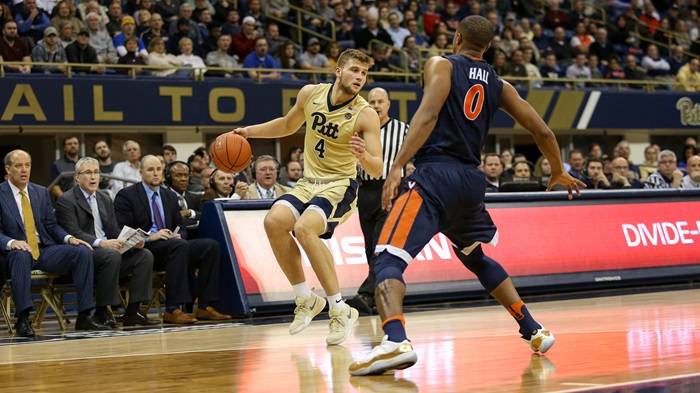
Players must be aware of their positioning in relation to the midcourt line to avoid backcourt violations. Once the ball crosses into the frontcourt, players can move freely between the two areas without the risk of violation. However, reentering the backcourt after establishing frontcourt presence triggers the violation.
Exception for Inbound Pass:
A key exception to the backcourt violation rule is during an inbound pass. When a team gains possession of the ball following a change of possession or a made basket, they have a brief window where they can pass the ball to a teammate in the backcourt without penalty. Once the ball is touched or possessed in the frontcourt, the backcourt violation rule comes into effect.
Team Dynamics: Executing Strategic Plays
Press Defense Strategies:
Defensive teams often employ press defense strategies to disrupt the offensive flow. By applying pressure on the ball handlers in the backcourt, defenders aim to force turnovers, including backcourt violations. This strategic approach requires coordinated movements and anticipation of the offensive team’s actions.
Fast Break Opportunities:
Offensive teams, on the other hand, leverage fast break opportunities to capitalize on the opposing team’s transition from defense to offense. Rapid ball movement and effective passing can catch defenders off guard, allowing teams to advance the ball into the frontcourt seamlessly.
Impact of Backcourt Violation on Gameplay
Defensive Advantage: Disrupting Offensive Flow
Forced Turnovers:

Backcourt violations serve as a valuable defensive tool, resulting in turnovers that shift possession to the defending team. Teams with agile and aggressive defenders can capitalize on their opponents’ mistakes, gaining additional scoring opportunities through forced backcourt violations.
Pressured Decision-Making:
The fear of backcourt violation can lead to pressured decision-making by the offensive team. Ball handlers may become more cautious and conservative in their movements, impacting the fluidity and efficiency of offensive plays.
Offensive Strategies: Avoiding Pitfalls
Ball Movement and Passing:
Effective ball movement and passing are crucial components of offensive strategies that aim to avoid backcourt violations. Teams with skilled passers and ball handlers can navigate the court adeptly, minimizing the risk of turnovers in the backcourt.
Transition Offense:
Offensive teams often employ transition offense, a style that emphasizes quick and coordinated movements. Transition offenses aim to advance the ball rapidly into the frontcourt, preventing the opposing team from setting up a solid defense and reducing the likelihood of backcourt violations.
Game Flow: Halting Momentum
Momentum Shifts:
Backcourt violations can lead to momentum shifts in a game. For the defensive team, successfully forcing a backcourt violation can energize players and fans, creating a positive momentum swing. Conversely, for the offensive team, a backcourt violation can disrupt momentum and stall scoring opportunities.
Coach Strategies:
Coaches play a crucial role in strategizing to minimize the risk of backcourt violations. They emphasize disciplined ball control, proper spacing, and strategic movements to ensure that players execute offensive plays while adhering to the backcourt violation rule.
Strategies for Mitigating Backcourt Violation Risks
Ball Handling Skills: Mastery of Fundamentals
Dribbling Techniques:
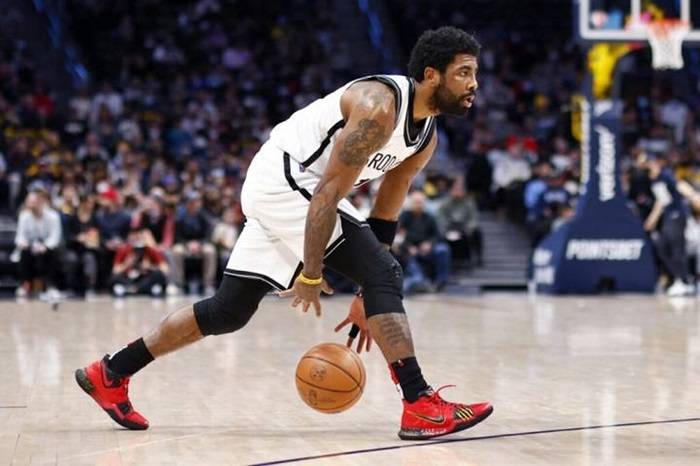
Players must hone their dribbling techniques to navigate the court effectively. Strong ball-handling skills enable players to maneuver through defensive pressure, reducing the risk of turnovers and backcourt violations.
Vision and Awareness:
Developing a heightened sense of court awareness is essential. Players should be cognizant of their positioning in relation to the midcourt line, anticipating defensive pressure, and making split-second decisions to avoid backcourt violations.
Transition Offense Drills: Sharpening Execution
Full-Court Drills:
Incorporating full-court drills into practice sessions helps teams simulate game scenarios, particularly situations involving transition offense. These drills focus on rapid ball movement, quick passes, and effective communication to advance the ball seamlessly into the frontcourt.
Simulated Press Defense:
Practicing against simulated press defense scenarios prepares teams for aggressive defensive strategies aimed at inducing backcourt violations. Developing strategies to break the press and maintain composure under defensive pressure is integral to overall game preparedness.
Strategic Substitutions: Utilizing Player Skills
Substitutions for Ball Handlers:
Coaches may strategically make substitutions to ensure that skilled ball handlers are on the court during critical moments. Having players with strong dribbling abilities and court vision can mitigate the risk of backcourt violations, especially in high-pressure situations.
Timeout Utilization:
Coaches often utilize timeouts strategically to regroup and provide guidance during periods of increased defensive pressure. Timeout sessions offer opportunities to reset, adjust strategies, and communicate essential information to players to avoid backcourt violations.
Adapting to Changes in Basketball Dynamics

Rule Modifications: Evolving Game Standards
Shot Clock Adjustments:
In some leagues, modifications to shot clock rules have influenced the pace of the game. Teams facing imminent shot clock violations may prioritize advancing the ball into the frontcourt quickly, potentially impacting the frequency of backcourt violations.
Experimental Rules:
Basketball organizations occasionally implement experimental rules to test their impact on the game. These experimental rules may influence player behavior, team strategies, and the frequency of specific violations, including backcourt violations.
Technology Integration: Analyzing Gameplay Trends
Video Analysis:
Modern basketball teams leverage technology for video analysis to scrutinize gameplay footage. Analyzing instances of backcourt violations provides valuable insights into patterns, player behaviors, and strategic nuances that can inform coaching decisions and player development.
Performance Tracking Apps:
Mobile applications designed for basketball performance tracking often include features that highlight areas of improvement related to turnovers and backcourt violations. Players and coaches can use these apps to track performance metrics and focus on specific aspects of the game.
Related Post:
The Unsung Hero: Unveiling the Role of the Fullback in Soccer
Striking Success: Decoding the Average Bowling Score in the Lanes
Unveiling the Board Game Spectrum: A Dive into Sports That Uses A Board
In the realm of basketball, the concept of backcourt violation stands as a critical boundary that players must navigate with precision and strategy. Whether it’s the defensive team pressuring opponents, the offensive team executing rapid transitions, or coaches devising strategies to minimize risks, the backcourt violation plays a significant role in shaping the ebb and flow of the game.
As basketball enthusiasts engage in the exhilarating journey, whether as players striving for excellence or fans savoring the intensity of each match, the backcourt violation remains a dynamic element. It symbolizes the strategic dance of offense and defense—a game where every movement, pass, and decision around the midcourt line contributes to the narrative and outcome of the match.
So, whether a player is perfecting their dribbling skills on the practice court, executing seamless transitions in a fast break, or a fan immersed in the strategic beauty of the game, the journey toward mastering backcourt violation in basketball promises an exhilarating odyssey on the hardwood.