

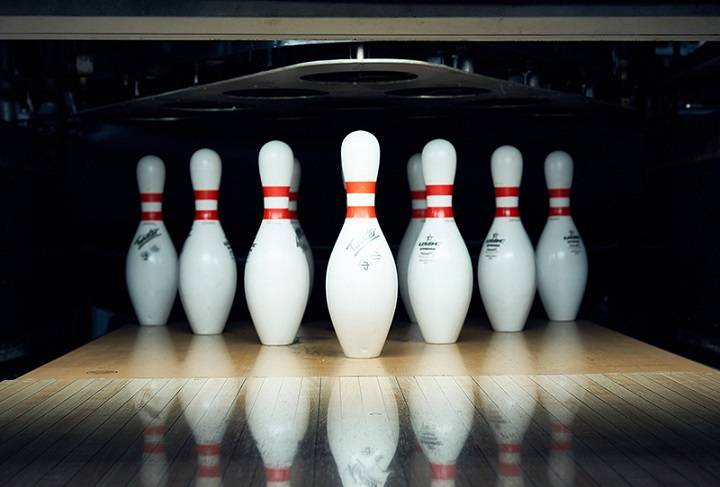
Bowling, a sport that combines skill, precision, and camaraderie, unfolds in the alleys where players aim to knock down pins with the roll of a ball. The pursuit of an average bowling score is a quest that beckons enthusiasts to refine their technique, master lane conditions, and strategically approach each frame. In this comprehensive exploration, we unravel the nuances of what constitutes an average bowling score, examining the factors that shape performance, the benchmarks that define success, and strategies for improvement within the lanes.
Understanding Bowling Scores
The Basics: Frames, Strikes, and Spares
Frame Structure:

Bowling consists of ten frames, each offering the opportunity for a bowler to knock down ten pins. The goal is to achieve the highest score possible by knocking down pins with each roll of the ball. The game unfolds frame by frame, with players aiming for consistent and effective shots.
Strikes:
A strike occurs when a bowler knocks down all ten pins with the first roll in a frame. Achieving a strike is a skillful feat and contributes to a bowler’s overall score. Strikes set the stage for higher scores and are celebrated for their impact on the game.
Spares:
When a bowler fails to knock down all ten pins in a frame but successfully clears the remaining pins with the second roll, it results in a spare. Spares showcase adaptability and recovery, mitigating the impact of a less-than-perfect first roll.
Pin Count and Scoring System
Pin Count:
Each frame allows for a maximum of ten pins to be knocked down. The total pin count in a frame is determined by the number of pins toppled with each roll. Strikes and spares in subsequent frames add to the cumulative pin count.
Scoring System:
The scoring system in bowling is based on the cumulative pin count across all frames. Strikes earn a bowler the pin count of the next two rolls, while spares earn the pin count of the next roll. The tenth frame may include additional rolls to account for strikes or spares.
Benchmarks for Bowling Scores
The Perfect Game: 300
Achieving Perfection:

The pinnacle of bowling excellence is the elusive perfect game—a score of 300. A perfect game entails achieving a strike in every frame, totaling ten consecutive strikes for a maximum score. Bowlers who accomplish this feat join an elite group celebrated for their skill and precision.
Celebrating the 300:
A perfect game is a momentous occasion in the world of bowling. Achieving a 300 is often met with applause, camaraderie, and sometimes even recognition within the bowling community. Bowling alleys may commemorate the accomplishment, further adding to the prestige of a perfect game.
Good Bowling Scores: Above 200
Excellence Beyond Average:
Scores above 200 are considered strong and indicative of skilled bowling. Bowlers consistently achieving scores in this range demonstrate a high level of proficiency, combining strikes, spares, and strategic play to navigate the lanes effectively.
Competitive Play:
In competitive bowling leagues and tournaments, bowlers aiming for success often target scores above 200. These scores not only contribute to personal achievements but also contribute significantly to a team’s overall performance in league standings.
Average Bowling Scores: 150 to 200
Establishing Consistency:
Bowlers consistently achieving scores between 150 and 200 are considered to have an average skill level. This range reflects a mix of strikes, spares, and occasional open frames. Bowlers in this category often focus on improving their technique, spare conversions, and overall lane management.
League Standards:
In many recreational and amateur bowling leagues, an average score within this range is common. Bowlers in these leagues may find themselves in various skill divisions based on their average scores, allowing for fair competition among participants of similar abilities.
Developing Skills: Below 150
Building a Foundation:
Bowlers with scores below 150 are often in the early stages of skill development. This range may include beginners learning the fundamentals of bowling, refining their approach, and gradually gaining consistency in hitting the pins.
Targeting Improvement:
Bowlers in this category typically set goals for improvement, aiming to increase their average scores through focused practice, coaching, and a deeper understanding of the nuances of the game.
Factors Influencing Bowling Scores
Lane Conditions: Oil Patterns and Length
Oil Patterns:
Bowling lanes are coated with oil to influence ball movement. Different oil patterns, such as house patterns and sport patterns, impact how the ball reacts on the lane. Adjusting to the specific oil pattern is crucial for consistent and effective shots.
Length of Lanes:
The length of the lane also plays a role in scoring. Bowlers need to adapt their approach and release based on the length of the lane. Shorter lanes may require less speed, while longer lanes may necessitate additional power in the roll.
Ball Selection and Technique
Ball Characteristics:
Bowlers choose from a variety of bowling balls, each with unique characteristics. Factors such as coverstock, weight, and core design influence the ball’s trajectory and impact on the pins. Selecting the right ball for the lane conditions is essential for optimal performance.
Technique:
Bowling technique involves the approach, release, and follow-through. A consistent and well-executed technique contributes to accuracy and precision. Bowlers often work on refining their technique to achieve a more predictable and effective roll.
Spare Conversions and Lane Management
Spare Shooting:
Converting spares is a critical aspect of scoring in bowling. Bowlers who excel at spare shooting minimize open frames, maintaining momentum and maximizing their pin count. Techniques such as targeting specific pin combinations enhance spare conversion rates.
Lane Management:
Understanding the changing conditions of the lanes is key to successful scoring. Bowlers may need to adjust their starting positions, target points, and delivery based on factors like lane breakdown, transition, and evolving oil patterns.
Strategies for Improving Bowling Scores
Consistent Practice: The Foundation of Improvement
Individual Drills:
Dedicated practice sessions on specific aspects of the game contribute to skill development. Individual drills focusing on spare shooting, targeting, and release consistency help bowlers address specific areas for improvement.
League Play:
Participating in bowling leagues provides regular opportunities for competitive play and improvement. League play offers a structured environment, camaraderie, and the chance to measure progress against diverse opponents.
Customized Coaching and Analysis
Professional Guidance:
Seeking guidance from experienced coaches can significantly impact a bowler’s performance. Coaches provide personalized feedback on technique, spare shooting, and strategic decision-making, helping bowlers refine their skills.
Video Analysis:
Utilizing technology for video analysis allows bowlers to review their form and identify areas for improvement. Analyzing the mechanics of the approach, release, and follow-through enhances self-awareness and aids in making necessary adjustments.
Mental Approach and Focus
Pre-Shot Routine:
Establishing a pre-shot routine helps bowlers maintain focus and consistency. A ritualized approach before each roll contributes to mental preparation, builds confidence, and minimizes distractions.
Mental Resilience:
Bowling involves moments of both success and challenge. Developing mental resilience is crucial for navigating the ups and downs of a game. Maintaining a positive mindset, staying focused, and rebounding from setbacks contribute to overall mental toughness.
Scoring Milestones and Achievements
The 7-10 Split Conversion
Rare Accomplishment:
The 7-10 split is a challenging pin configuration where the two corner pins, the 7 pin and the 10 pin, remain standing with no other pins on the lane. Converting the 7-10 split is a rare and celebrated accomplishment, requiring precision in pin placement.
Strategic Approaches:
Bowlers employ various strategies, including using the sidewalls for pin deflection, to increase the chances of converting the 7-10 split. Successfully converting this split adds a level of flair to a bowler’s repertoire.
The 900 Series: A Perfect Series
Ultimate Bowling Achievement:
The 900 series is the pinnacle of bowling achievement, signifying three consecutive games with a perfect score of 300. Bowlers who achieve a 900 series join an elite group of individuals celebrated for their consistency, skill, and mastery of the game.
Rarity and Prestige:
The rarity of a 900 series adds to its prestige. Bowlers who accomplish this feat showcase not only exceptional skill in individual games but also sustained excellence over an entire series.
Related Post:
Volleyball: Where Passion Meets Precision in the Pursuit of Victory
Volleyball: A Symphony of Skill, Strategy, and Sportsmanship
The Unrivaled Grace and Power of Volleyball: A Sport Beyond Borders
In the captivating world of bowling, the pursuit of an average score is a journey marked by skill refinement, strategic mastery, and a passion for the game. Whether bowlers aspire to the perfection of a 300 game, celebrate milestones like a 7-10 split conversion, or simply aim for consistent improvement, the allure of the lanes remains timeless.
As bowlers navigate the intricacies of lane conditions, adapt their techniques, and hone their mental resilience, they contribute to the rich tapestry of a sport that blends art and science. From the sound of the rolling ball to the crash of the pins and the shared camaraderie in the alleys, bowling scores serve as both a measure of individual achievement and a testament to the collective spirit of a community bonded by a love for the game.
So, whether a bowler strives for perfection or relishes the incremental victories in each frame, the journey within the lanes promises an ever-evolving odyssey where each roll is a chance to strike success and savor the sweet sound of pins falling.