


A powerful fastball is a critical weapon in any pitcher’s arsenal. Among the various types of fastballs, the 4-seam fastball is often the go-to pitch for many pitchers because of its velocity, consistency, and relative ease of control. This guide will provide you with comprehensive information about the 4-seam fastball grip, including the history, mechanics, and strategies that will elevate your pitching game.
Understanding the Four-Seam Fastball
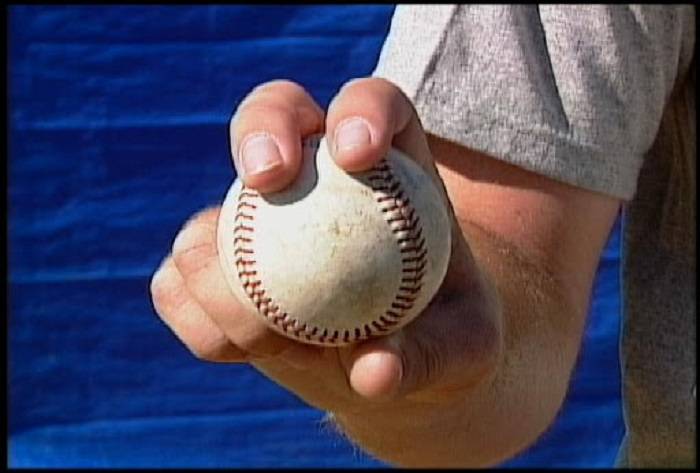
Before delving into the grip itself, let’s understand what makes the four-seam fastball unique. The four-seam fastball is the fastest pitch in baseball and is often the foundation for other pitching variations. It gets its name from the four seams of the baseball that rotate perpendicular to the direction of the pitch when thrown properly. This rotation provides stability and minimizes movement, allowing the pitcher to deliver a straight and high-velocity pitch.
Characteristics:
Velocity: The fastest pitch, often exceeding 90 mph for professional pitchers.
Movement: Minimal horizontal or vertical movement, creating a straight trajectory.
Usage: Ideal for blowing past batters due to its speed and accuracy.
The Basics of the Four-Seam Fastball
The Anatomy of a Fastball Grip
The grip is essential to achieving the ideal trajectory and velocity of a four-seam fastball. Here’s how to hold it:
Fingers: Place your index and middle fingers across the seams where the seams form a horseshoe or “C” shape. Both fingers should be evenly spaced on the ball, ideally near the top of the seams for maximum control and spin.
Thumb Placement: Your thumb should be directly beneath the ball, resting on the smooth leather opposite your fingers, providing stability and support.
Ring and Pinky Fingers: These should rest lightly on the side of the ball or not touch the ball at all, depending on your preference.
Pressure Distribution: Apply firm but even pressure with your index and middle fingers. Avoid squeezing too hard, as this can lead to tension in your wrist and arm.
Mechanics and Delivery
A four-seam fastball’s effectiveness largely depends on proper mechanics. Here’s a breakdown of the crucial steps:
Wind-Up: Begin your wind-up in a balanced position, shifting your weight to your back leg as you pivot.
Stride: As you stride forward, ensure that your plant foot lands directly in line with home plate. This will help generate the forward momentum needed for maximum velocity.
Release Point: Your release point should be high and consistent. Aim to throw from a three-quarter arm slot or directly overhead for a true backspin.
Follow-Through: After release, allow your arm to continue its natural motion. Your throwing arm should finish down near your opposite hip, and your body should be fully rotated toward home plate.
What is the 4-Seam Fastball?

The 4-seam fastball is a pitch that typically achieves the highest velocity compared to other types of fastballs. Its name comes from the way the seams of the ball spin when thrown, resulting in the batter seeing four seams as the ball approaches.
Key characteristics:
High velocity (often between 90-100 mph for professional pitchers)
Minimal movement horizontally or vertically (relative to other fastballs)
Straight trajectory with backspin that gives the illusion of the ball rising
The History of the 4-Seam Fastball
The fastball itself has a storied history in baseball. As early as the 19th century, pitchers were experimenting with grips to find the optimal combination of speed and control. The 4-seam fastball evolved as a pitch that balanced these factors, eventually becoming a standard pitch for power pitchers like Nolan Ryan and Roger Clemens.
The Science Behind the Pitch
The 4-seam fastball relies on physics to achieve its straight trajectory. When thrown correctly:
Backspin is imparted to the ball due to the grip, creating a high-pressure zone below the ball and a low-pressure zone above it. This keeps the ball from dropping as much as other pitches (like the 2-seam or sinker).
Grip Pressure: The pitcher’s fingers should apply consistent pressure on the seams to maximize backspin and speed.
Mastering the Grip and Mechanics
Grip
Positioning:
Place your index and middle fingers directly across the horseshoe-shaped seams of the baseball. Your fingertips should rest on the seam ridges for maximum grip.
Your thumb should be positioned directly under the ball, providing support.
The ring finger should gently rest along the side of the ball.
Pressure and Space:
Maintain a relaxed grip to prevent tension. This allows for a quicker release.
Ensure there is a small space between the palm and the ball.
Mechanics
Windup and Arm Action:
Keep your pitching arm relaxed and lead with your elbow as you drive toward the plate.
Snap your wrist and follow through.
Footwork and Body Position:
Ensure your stride foot lands directly towards home plate.
Use your core to generate rotational power.
Why the 4-Seam Fastball is Effective

Consistency: The straight path of the 4-seam fastball makes it easier to locate in the strike zone.
High Velocity: Its speed disrupts a batter’s timing, especially when mixed with off-speed pitches.
Illusion: The backspin creates the perception of a “rising” fastball, making it harder for batters to gauge.
Strategies for Using the 4-Seam Fastball
Pitch Location:
High and Inside: Force batters to chase the high heat, especially against power hitters who often struggle with high-velocity pitches.
Outside Corners: Move the pitch away from hitters to reduce their ability to pull the ball.
Mixing Pitch Types:
Use the 4-seam fastball in conjunction with other pitches like sliders and curveballs to keep hitters off-balance.
Pair it with a changeup to create a significant speed difference.
Drills to Improve Your 4-Seam Fastball
Grip Practice: Repeatedly hold the ball in the 4-seam grip to develop muscle memory.
Target Drills: Practice hitting specific spots in the strike zone with your 4-seam fastball.
Long Toss: Improve arm strength and velocity by throwing from extended distances.
Pitching Mechanics Review: Record and analyze your pitching form to identify areas of improvement.
Common Mistakes and How to Avoid Them
Overgripping: Avoid gripping too tightly, as this can reduce velocity and control.
Release Point: Ensure consistency in your release point to maintain accuracy.
Stride Length: A stride too short or long will disrupt your mechanics.
Related Post:
Choosing the Perfect Bat Size for a 7-Year-Old: A Comprehensive Guide
Understanding the Balk in Baseball: A Comprehensive Guide
The Art and Science of the Strike Zone in Baseball
Mastering the Shortstop Position: The Ultimate Guide for Aspiring Baseball Players
The 4-seam fastball is a cornerstone pitch that every serious pitcher should master. Its speed, reliability, and strategic versatility make it a crucial weapon on the mound. With the right grip, mechanics, and practice regimen, you can transform your 4-seam fastball into an unbeatable force.
The four-seam fastball is a crucial pitch for any aspiring or experienced pitcher. Its high velocity and accuracy make it a formidable weapon on the mound. By mastering the grip and refining your pitching mechanics, you can dominate batters and elevate your pitching game. Regular practice, attention to detail, and commitment to improvement will help you unlock the full potential of the four-seam fastball. So, grab a ball, hit the mound, and start perfecting that grip!