

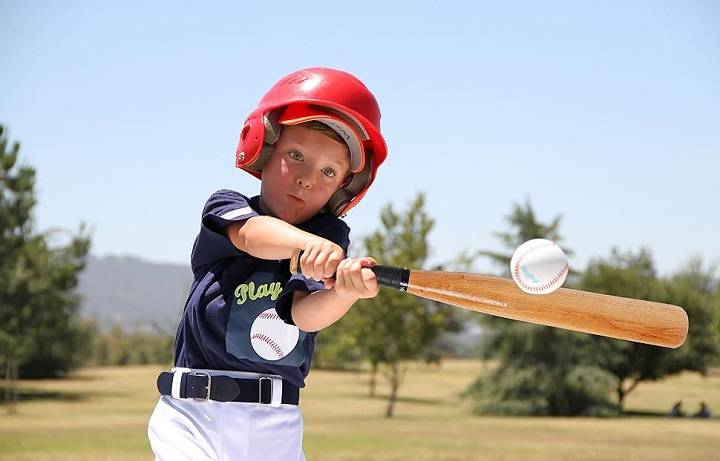
When it comes to baseball, choosing the right bat is crucial, especially for young players. A well-selected bat can make a world of difference in their performance, confidence, and enjoyment of the game. For parents of 7-year-olds just starting out, the choice can be confusing. What length is ideal? What weight is manageable? And what other factors should be considered? This comprehensive guide will help you navigate these questions and find the perfect bat size for your 7-year-old.
Understanding the Basics: Why Size Matters
The importance of choosing the right bat size for a 7-year-old cannot be overstated. A bat that is too heavy or long can hinder their swing, making it hard to connect with the ball. On the other hand, a bat that’s too light may lack power, leaving hits weak and ineffective. Ultimately, the right bat will provide a balance of control, speed, and power, enhancing their ability to hit effectively and safely.
Length: The bat’s length is crucial, as it impacts a player’s swing speed and the bat’s reach. Length is measured in inches from the handle to the tip of the barrel.
Weight: The weight of a bat affects the player’s ability to swing it effectively. Typically, a lighter bat enables quicker swings, while a heavier bat provides more power.
Drop Weight: This is the difference between the length and weight of the bat. For instance, a bat that’s 30 inches long and weighs 20 ounces has a drop weight of -10. Lower drop weights mean heavier bats.
Barrel Diameter: The barrel is the wider, upper part of the bat that makes contact with the ball. Youth bats generally have a 2 1/4-inch or 2 5/8-inch diameter, but league rules may vary.
Material: Bats can be made from aluminum, composite, or wood. Each material has pros and cons, impacting weight, performance, and price.
Why Size Matters?
Choosing the right bat size ensures your child has an enjoyable and effective experience playing baseball. If the bat is too heavy or long, they may struggle with swing speed and control. A bat that’s too short or light could limit their power. Getting the right balance between length and weight ensures they can consistently make solid contact with the ball and improve their hitting.
Measuring Your Child for the Right Bat
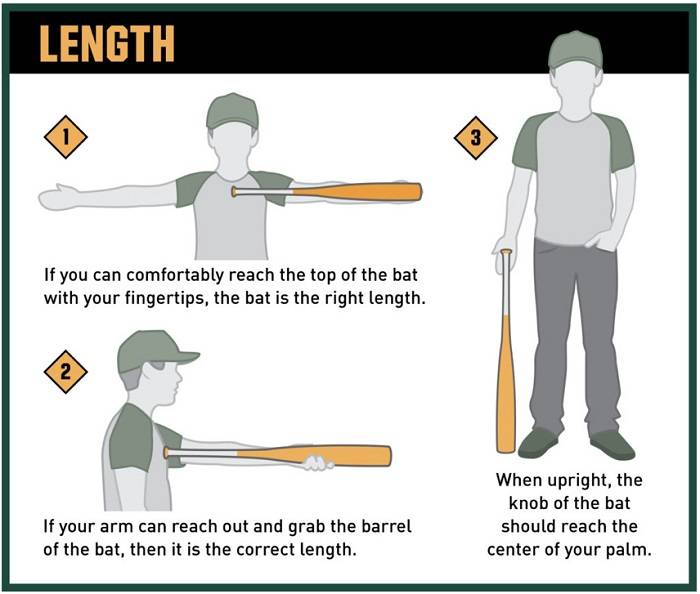
The following steps will help you determine which bat length might be best suited for your child:
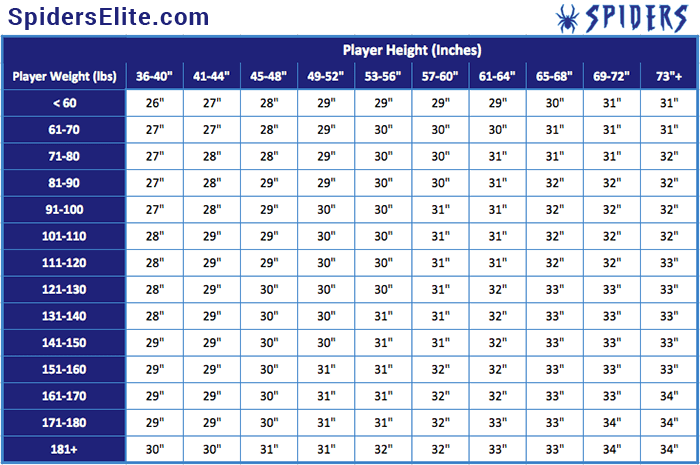
Height Measurement: Stand your child up straight without shoes. If they are between 3’8” and 4’0” tall, a bat between 26 and 28 inches should be suitable.
Weight Measurement: Generally, lighter players should lean towards shorter bats, while heavier players can handle longer bats.
Grip Test: Have your child hold the bat straight out with one hand, extending their arm directly in front of them. If they can hold it comfortably for 10-15 seconds, the bat weight is manageable. If not, it’s too heavy.
Swing Test: Have your child swing the bat a few times. It should feel smooth and easy. If the swing looks awkward or strained, try a lighter or shorter bat.
Finding the Right Bat Length
A bat’s length is typically measured in inches. For 7-year-olds, bats usually range between 24 and 28 inches. Here’s a quick way to determine a suitable length:
Height Check: If the child is taller or shorter than average for their age, adjust the bat length accordingly. Taller kids may benefit from a 27 to 28-inch bat, while shorter children may find a 24 to 25-inch bat easier to handle.
Arm Test: Have your child stand straight and extend their arms parallel to the ground. Measure the distance from the middle of their chest to the tip of their index finger. The resulting measurement (in inches) provides a general indication of the suitable bat length.
Determining the Appropriate Weight
A bat’s weight is crucial because an overly heavy bat will slow down the swing, while a very light bat might not generate enough power. The weight is measured in ounces, and it usually aligns with the bat’s length. A typical weight for a 7-year-old ranges from 14 to 18 ounces.
Drop Weight: The drop weight is the difference between a bat’s length and weight. For instance, if a bat is 28 inches long and weighs 18 ounces, its drop weight is -10. The higher the drop weight (e.g., -13), the lighter the bat will feel, which is often helpful for younger players.
Comfort Check: Ask the child to hold the bat out horizontally for about 20 seconds. If they can comfortably keep it extended without straining, the weight is likely appropriate. Otherwise, opt for a lighter bat.
Considering Bat Materials
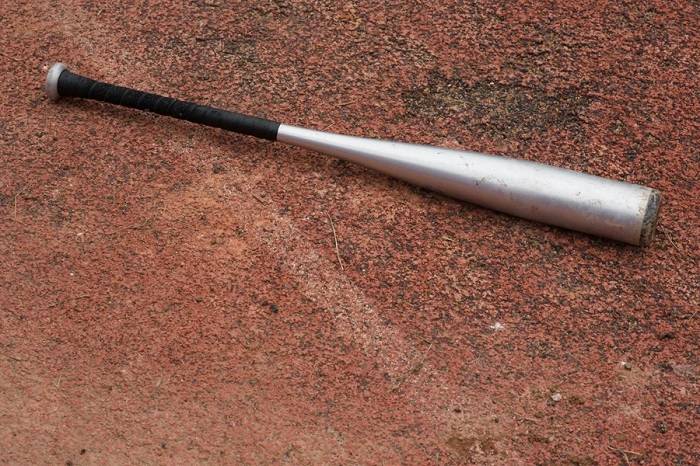
There are two main types of bats:
Aluminum (Metal): Lightweight, durable, and cost-effective, aluminum bats are often a popular choice for younger players. They also provide a good “pop,” which helps with hitting performance.
Composite: These are often lighter and provide a larger sweet spot, offering a bit more power and control. However, they can be more expensive and sometimes require a break-in period.
Grip and Barrel Diameter
The grip and barrel diameter should also be considered:
Grip: Opt for a bat with a comfortable grip that doesn’t slip in the child’s hand.
Barrel Diameter: Bats for children aged 7 generally have a barrel diameter of 2 ¼ inches to 2 ⅝ inches. The larger barrel provides a larger sweet spot, making it easier to hit the ball.
League Regulations
Be aware of the league’s regulations. Little League and other youth leagues often have specific rules regarding bat size, weight, and material. Make sure the chosen bat complies with these rules to avoid any issues.
Testing and Personal Preference
Once you’ve narrowed down your options, have the child try out a few bats before purchasing. Sometimes, despite all the measurements and calculations, personal preference plays a crucial role. The right bat should feel comfortable and natural when the child swings it.
Related Post:
Mastering the Center Line in Volleyball: A Comprehensive Guide
Unraveling the Mysteries of Backcourt Violation in Basketball: Rules, Strategies, and Controversies
Soaring to Success: The Art of Wing Play in Basketball
Unraveling the Legacy: Who Has the Most Rings in the NBA?
Choosing the right bat size for a 7-year-old is essential for their development as baseball players. It’s not just about numbers or measurements but about ensuring the child feels confident and enjoys the game. With the right bat, they’ll develop good habits, stay safe, and grow to love the sport.