

Baseball is a game of precision and strategy, where every pitch, swing, and umpire’s call can dramatically change the outcome. One of the most important and sometimes controversial aspects of the game is the strike zone, a theoretical box through which pitchers aim to throw the ball. Understanding the strike zone is critical for players, coaches, and fans alike. This comprehensive guide will take you through the history, the rules, the strategies, and the controversies surrounding the strike zone.
History of the Strike Zone
Early Days and Evolution
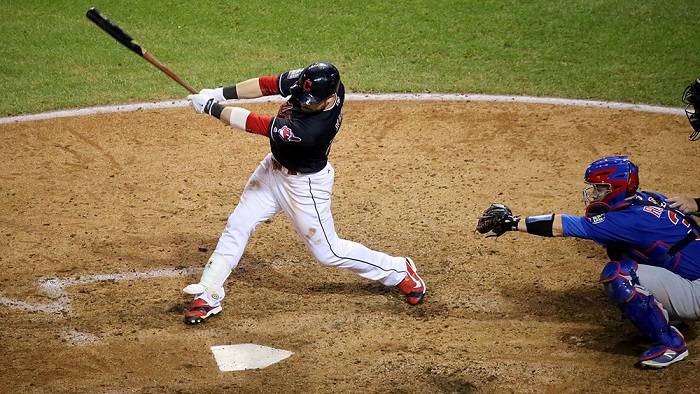
The strike zone concept has evolved significantly since baseball’s early days. In the late 19th century, the rules were still fluid and varied by league. The first standardized strike zone, introduced by the National League in the 1880s, was different from the one we know today. It initially extended from the batter’s shoulders to the knees and varied depending on the height of the batter.
As baseball continued to grow and refine its rules, so did the strike zone. In 1950, the zone was redefined to be between the armpits and the top of the knees. In 1963, it expanded upward to the batter’s shoulders and down to the knees. Then, in 1969, it contracted again to the armpits down to the knees.
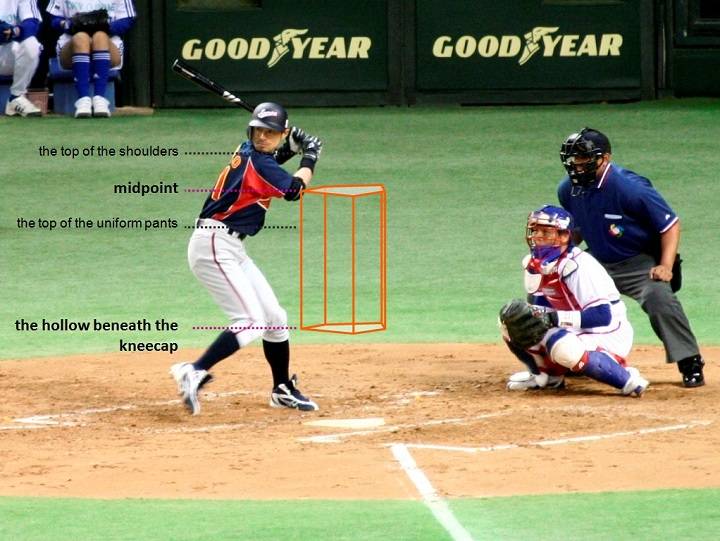
The modern strike zone was formalized in 1996 to extend from the midpoint between the batter’s shoulders and belt down to the hollow beneath the knees.
Electronic Tracking and the Modern Era
In the 2000s, the introduction of electronic strike zone tracking systems like PITCHf/x provided valuable data to analyze umpires’ calls and their adherence to the official zone. This technology paved the way for more accurate measurements and revealed variations between different umpires’ strike zones.
Rules Governing the Strike Zone
Official MLB Definition
The official definition of the strike zone, as stated in Major League Baseball (MLB) Rulebook, is:
“The strike zone is that area over home plate the upper limit of which is a horizontal line at the midpoint between the top of the shoulders and the top of the uniform pants, and the lower level is a line at the hollow beneath the kneecap.”
The strike zone changes with each batter’s stance. It’s not fixed in size but rather depends on the batter’s height and posture.
Practical Interpretation
In practice, the strike zone is also subject to the umpire’s interpretation. Umpires must decide whether the pitch is in the “zone” in real-time, considering both height and width. The width of the plate is fixed at 17 inches, but the ball only needs to graze any part of the plate to be considered within the zone.
Strategies Around the Strike Zone
Pitching Strategy
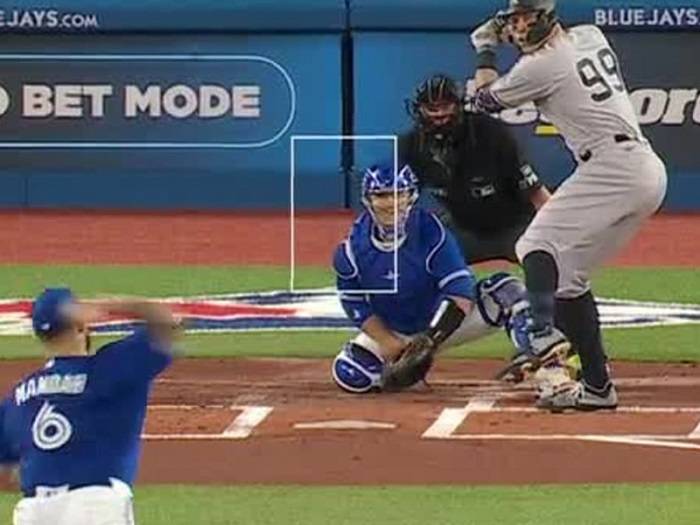
Pitchers aim to exploit the edges of the strike zone, often referred to as “painting the corners,” to challenge batters while staying within the rulebook. A good pitcher will change speeds, throw pitches at different heights, and vary their location to keep the batter off balance.
Common pitches like fastballs, curveballs, sliders, and changeups are thrown with specific intentions. For instance, a high fastball can induce a swing and miss or a pop fly due to its speed, while a curveball can dive below the strike zone, tempting the batter to chase.
Batting Strategy
Batters approach the strike zone with an opposing strategy, aiming to distinguish between strikes and balls. Skilled hitters often “work the count,” forcing pitchers to throw more pitches, in the hopes of drawing a walk or finding a more favorable pitch to hit.
Batters also exploit known tendencies of certain pitchers or umpires to make decisions in their favor. The ability to judge pitches, or “plate discipline,” is a skill that separates good hitters from average ones.
Umpiring and Technology
Umpires have an essential role in ensuring the game is fair and played by the rules. However, no umpire can be perfect. Some umpires call a larger zone than others, while some are known for squeezing pitchers with a smaller zone
The advent of electronic pitch tracking, including the use of cameras and sensors, has helped hold umpires accountable and identify any biases in their calls. It has also brought forth the idea of an automated strike zone or “robot umpire,” which could reduce human error.
Controversies and Discussions
Inconsistent Umpiring
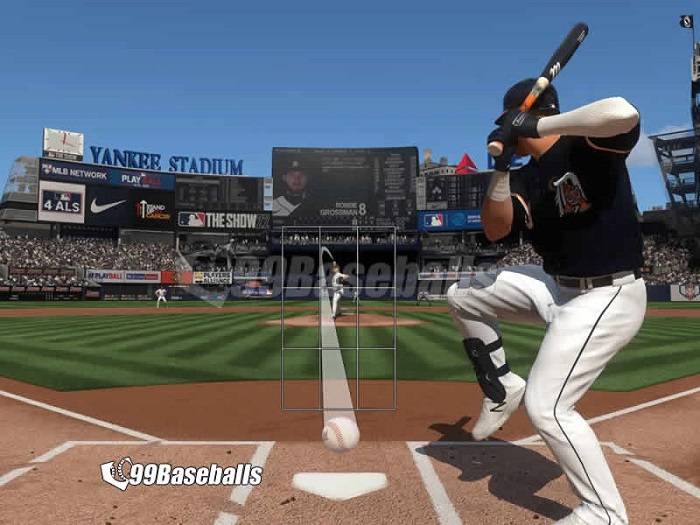
One of the most significant sources of controversy is inconsistency in calling strikes. Every umpire has a slightly different interpretation of the strike zone, leading to disputes between teams, players, and officials. Sometimes, a pitch that’s called a ball one inning might be called a strike the next.
Automated Strike Zones
The use of an automated strike zone is a hotly debated topic. Proponents argue that technology can eliminate human error and provide fairer outcomes. Critics say that removing the human element could detract from the game’s tradition and give a clinical, robotic feel.
In minor league baseball, the Automated Ball-Strike (ABS) system has been tested. Early results show promise but also reveal challenges, including how to handle pitches that barely graze the zone or pitches that curve sharply.
Shifting Strike Zones
Pitchers and batters have also expressed concerns about the strike zone changing over time. Despite efforts to enforce a consistent zone, umpires sometimes adjust based on league trends or organizational mandates.
Adapting to the Strike Zone: Strategy and Analytics
In recent years, data-driven decision-making has reshaped how teams approach the strike zone.
Swing Paths: With more pitches at the bottom of the zone, many batters have adjusted their swings to a more upward trajectory to maximize power.
Pitcher Tactics: Pitchers aim to increase strikeout rates by hitting the “shadow zone,” just outside the strike zone, enticing batters to chase bad pitches.
Future of the Strike Zone
As baseball evolves, the strike zone will remain a focal point of analysis and discussion:
Robotic Umpires: Experimentation is underway with automated strike zones in minor leagues. Should they be successful, MLB may adopt them in the future.
Changing Rules: As baseball seeks to speed up the game and promote more action, changes to the strike zone may occur, possibly shrinking to favor batters or pitchers.
Related Post:
Decoding Basketball Assists: The Unsung Heroes of the Game
Understanding Field Goals in Basketball: A Comprehensive Guide
Mastering the Art of Volleyball Service: A Comprehensive Guide to Service Rules
Mastering the Beautiful Game: Essential Skills Every Soccer Player Should Master
The strike zone remains a fascinating and integral part of baseball, weaving together historical traditions, evolving technology, and human interpretation. It is both an art and a science that drives the strategies and excitement of the game.
Whether you’re a die-hard fan, a casual observer, or an aspiring player, understanding the strike zone can deepen your appreciation for the intricacies and drama of baseball. So, the next time you see a pitch zipping towards the plate, think of the batter’s split-second decision, the pitcher’s precision, and the umpire’s interpretation—all in the name of the strike zone.