


Basketball, a sport beloved by millions worldwide, is a game of strategy, skill, and finesse. Among its many elements, field goals stand out as fundamental actions that determine the outcome of matches. In this guide, we delve deep into what field goals are in basketball, exploring their types, rules, strategies, and significance in the game.
What are Field Goals?
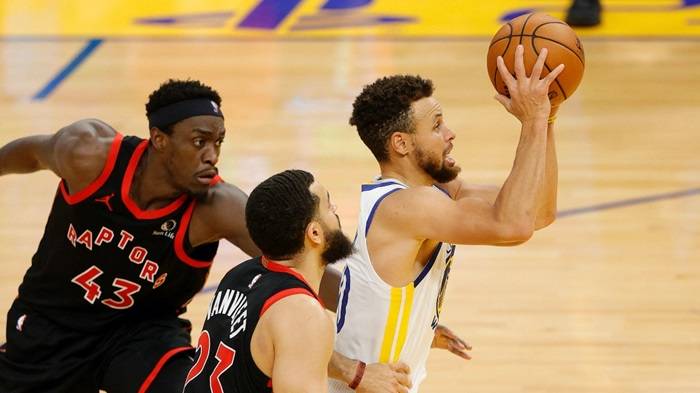
In basketball, a field goal refers to any scoring attempt made during the game, excluding free throws. When a player successfully shoots the ball through the opponent’s basket, they score a field goal. Field goals can be worth two or three points, depending on the location from which the shot is taken.
Types of Field Goals:
Two-Point Field Goals: These are shots made from anywhere inside the three-point line on the basketball court. They are the most common type of field goals and are worth two points.
Three-Point Field Goals: These shots are made from beyond the three-point line, which is approximately 23 feet 9 inches (7.24 meters) from the basket in the NBA. They are worth three points and are instrumental in changing the momentum of the game.
Rules Governing Field Goals:

Shooting Within the Play: Field goals can be attempted by any player during the course of normal gameplay. Players must release the ball before their feet touch the ground if they jump to shoot.
Shot Clock: In most basketball leagues, there’s a shot clock that limits the time a team has to attempt a field goal. Failure to release a shot before the shot clock expires results in a turnover.
Fouls: If a player is fouled while attempting a field goal and the shot is successful, they are awarded the points for the basket and an additional free throw attempt.
Strategies for Successful Field Goals
Ball Movement: Passing the ball quickly and efficiently around the court can create open shooting opportunities, increasing the chances of making field goals.
Off-Ball Movement: Players without the ball can create space for themselves or their teammates by setting screens, cutting to the basket, or relocating to open spots on the court.
Shot Selection: Good shot selection is essential for high field goal percentages. Players should aim for shots they are comfortable with and take advantage of mismatches or defensive lapses.
Practice: Consistent practice on shooting mechanics, footwork, and decision-making can significantly improve a player’s ability to make field goals in various game situations.
The Significance of Field Goals in Basketball
Field goals are the primary means of scoring in basketball and play a pivotal role in determining the outcome of games. Teams that can consistently make their shots, especially from beyond the three-point line, often have a significant advantage over their opponents. Additionally, field goals contribute to building momentum, and energizing players and fans alike.
Understanding Field Goals:
At its core, a field goal in basketball refers to any basket scored from anywhere on the court during gameplay, except for free throws. This includes layups, mid-range jump shots, and three-pointers. Each successful field goal adds points to a team’s score, contributing to their overall tally in pursuit of victory.
Types of Field Goals:
Layups: Layups are perhaps the most basic form of field goals in basketball. They involve a player driving towards the basket and releasing the ball close to the hoop, often using the backboard for support. Layups require precise timing, agility, and the ability to maneuver past defenders.
Jump Shots: Jump shots are a staple of basketball offense. Players execute jump shots by leaping into the air and releasing the ball at the peak of their jump, typically while facing the basket. These shots can be taken from various distances, making them versatile weapons in a player’s arsenal.
Three-Pointers: Arguably the most thrilling type of field goal, three-pointers are shots taken from beyond the three-point arc, which is situated 22 feet away from the basket in the NBA and 23.75 feet in FIBA competitions. Successfully sinking a three-pointer rewards the shooting team with three points, making it a high-risk, high-reward play.
Field Goal Percentage:
Field goal percentage (FG%) serves as a vital statistic in basketball, reflecting a player’s efficiency in making field goals. It is calculated by dividing the total number of successful field goals by the total number of attempted field goals, then multiplying the result by 100 to express it as a percentage. A higher FG% indicates a more accurate shooter, while a lower FG% suggests room for improvement in shooting proficiency.
Strategies for Success:
Shot Selection: Smart shot selection is key to maximizing field goal efficiency. Players should aim to take shots from positions where they feel most comfortable and have the highest probability of success. This often involves capitalizing on open opportunities created by offensive plays or exploiting defensive mismatches.
Ball Movement: Fluid ball movement can create openings in the defense, leading to higher-percentage scoring opportunities. By passing the ball effectively and finding open teammates, players can set up easier shots and increase their chances of converting field goals.
Offensive Rebounding: Offensive rebounds offer second-chance opportunities for scoring field goals. Players who excel at crashing the boards can retrieve missed shots and quickly capitalize on the offensive possession, extending their team’s scoring opportunities.
Shot Mechanics: Proper shooting technique is essential for consistent field goal success. Players should focus on fundamentals such as footwork, balance, and follow-through to ensure accurate and repeatable shooting motion.
The Impact of Field Goals:
Field goals play a pivotal role in shaping the outcome of basketball games. A team’s ability to convert field goals at a high rate often correlates with its offensive effectiveness and overall success on the court. Whether it’s a buzzer-beating jump shot or a crucial layup in the final seconds, field goals have the power to sway momentum and determine the outcome of closely contested matchups.
Related Post:
How Many Extra Innings in Baseball: Unraveling the Drama Beyond Nine Frames
How Long Are Intermissions in Hockey: Unveiling the Pacing of the Game
How Much Do Bat Boys Make: Unveiling the Compensation Behind Baseball’s Unsung Heroes
Field goals are the heartbeat of basketball, representing the essence of scoring and competition. Understanding the different types, rules, strategies, and significance of field goals is crucial for players, coaches, and fans alike. As the game continues to evolve, mastering the art of making field goals remains essential for success on the basketball court.