

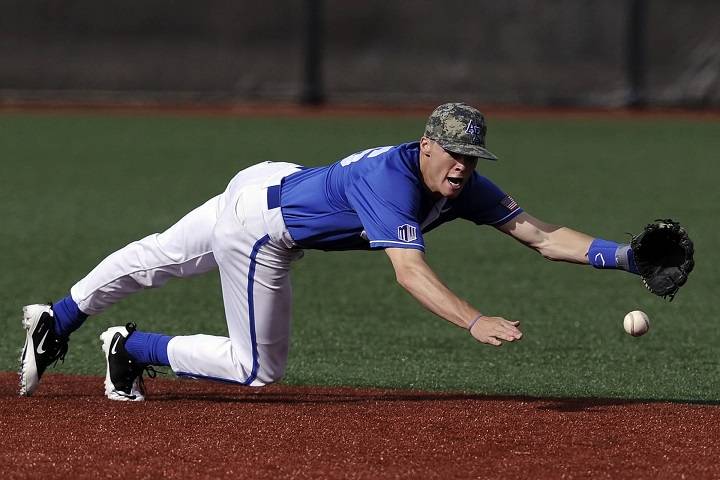
In the intricate web of baseball, the shortstop position stands as one of the most pivotal. Sandwiched between second and third base, the shortstop often emerges as a dynamic defensive leader, a master strategist, and an essential link between the infield and outfield. For players and fans alike, the shortstop position represents an embodiment of agility, reflexes, and baseball acumen. This guide aims to unravel the complexities and nuances of this key position.
Understanding the Role of the Shortstop
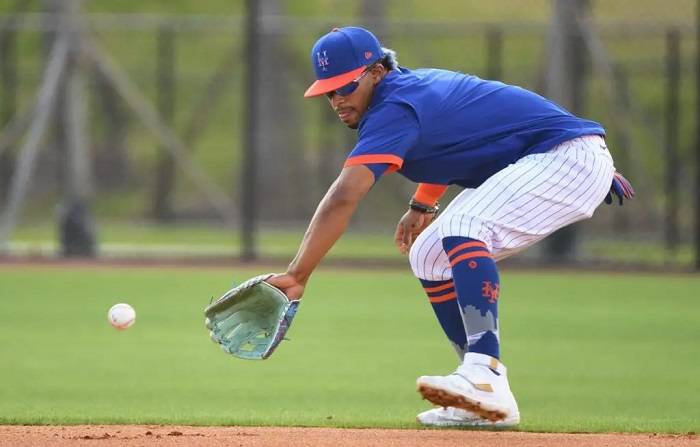
The shortstop, positioned between second and third base, acts as a vital defensive pivot. They field ground balls, and catch line drives, and are a crucial component in turning double plays. The role requires a blend of range, a strong throwing arm, and leadership because shortstops direct the infield defense.
Responsibilities
Fielding Ground Balls: Shortstops routinely handle the highest volume of ground balls due to their central position.
Turning Double Plays: Often the middleman in double plays, the shortstop requires swift hands and quick decision-making.
Cutoff Throws: They act as cutoffs for outfield throws to bases, making snap judgments on where to direct the ball.
Defensive Shifts: Shortstops often orchestrate defensive shifts based on hitters’ tendencies.
The Origins and Evolution of Shortstop
Historically, the shortstop position didn’t exist in the earliest iterations of baseball. Originally, the position was created to relay throws from the outfielders. As the game evolved, it gradually became clear that the shortstop needed to be strategically placed to cover the ground between second and third bases, leading to its present responsibilities. Some of the earliest shortstops, like George Wright and Hughie Jennings, laid the groundwork for the modern shortstop role.
Core Responsibilities and Challenges of the Shortstop Position
Defensive Range
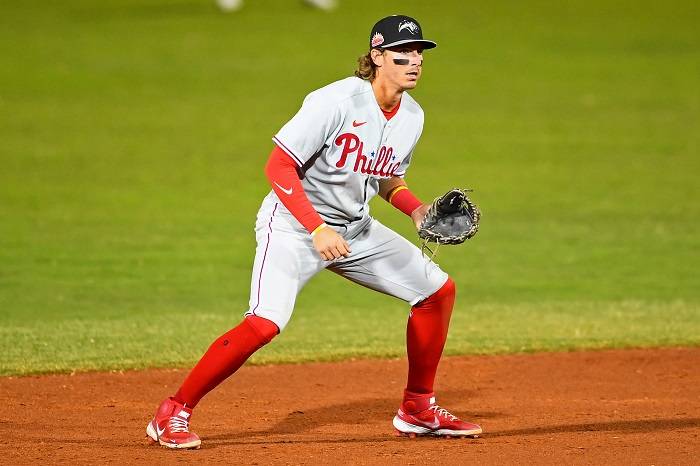
Shortstops are tasked with covering significant ground, often fielding balls deep in the hole between third base and second base. Their superior range allows them to track down grounders, liners, and even shallow outfield pop-ups.
Double Plays
As a crucial cog in turning double plays, the shortstop must be adept at receiving the ball from the second baseman or the pitcher and making a precise relay to first base. Speed and accuracy are crucial here.
Cutoff and Relay Duties
When outfielders field balls deep in the outfield, shortstops often serve as the relay to ensure throws make it accurately and quickly to third base or home plate.
Defensive Positioning
Shortstops must be aware of batter tendencies, game situations, and the defensive shifts that are called for. This demands a strong baseball IQ to anticipate where to position themselves.
Leadership
As defensive captains, shortstops are often vocal on the field. They guide the infield, align the defensive shifts, and ensure seamless communication among fielders.
Physical and Mental Traits of Elite Shortstops
Physical Attributes
Agility and Speed: Elite shortstops are quick on their feet and possess excellent reflexes.
Arm Strength: Throwing across the diamond requires a strong, accurate arm.
Endurance: The demands of playing nearly every inning of a game require excellent stamina.
Mental Attributes
Baseball IQ: Reading the batter’s tendencies, the game situation, and anticipating the next play.
Poise Under Pressure: Shortstops must perform consistently in high-stress situations.
Leadership: Maintaining composure and motivating teammates is key.
Hallmarks of Famous Shortstops
Honus Wagner
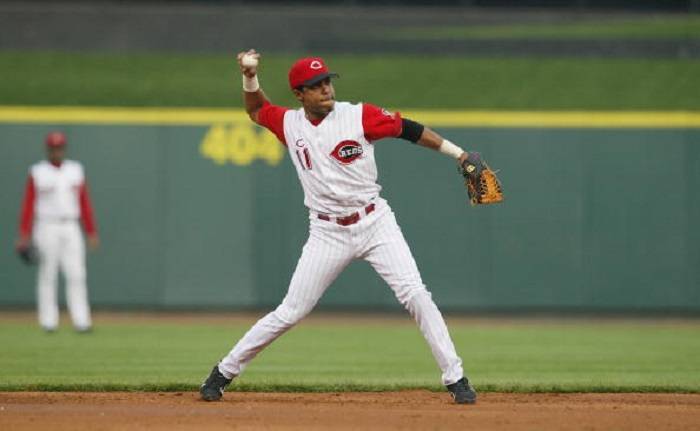
An early 20th-century legend, Wagner was known for his fielding prowess and batting ability. He helped redefine the role of shortstops with his athleticism and versatility.
Derek Jeter
A name synonymous with clutch plays, Jeter was renowned for his leadership, defensive reliability, and iconic moments, particularly his patented jump throw.
Ozzie Smith
Nicknamed “The Wizard,” Smith mesmerized fans with acrobatic plays, spectacular range, and defensive wizardry.
Cal Ripken Jr.
Ripken’s longevity and consistency (breaking the record for consecutive games played) were unparalleled. He combined power-hitting with reliable fielding.
Training and Practice Regimen for Aspiring Shortstops
Defensive Drills
Ground Ball Practice: Working on backhands, forehands, and charging ground balls.
Footwork Exercises: Ladder drills, cone drills, and agility ladders.
Double Play Practice: Simulating throws from second base and relaying to first.
Arm Strengthening Exercises
Long Toss: Building arm strength through progressive distance throwing.
Resistance Band Training: Strengthening shoulder and arm muscles.
Situational Awareness Drills
Cutoff Simulations: Practicing cutoffs from outfielders to infielders.
Relay Timing: Coordinating precise relay throws to third or home.
Strategy and Game Situations
Defensive Shifts and Positioning
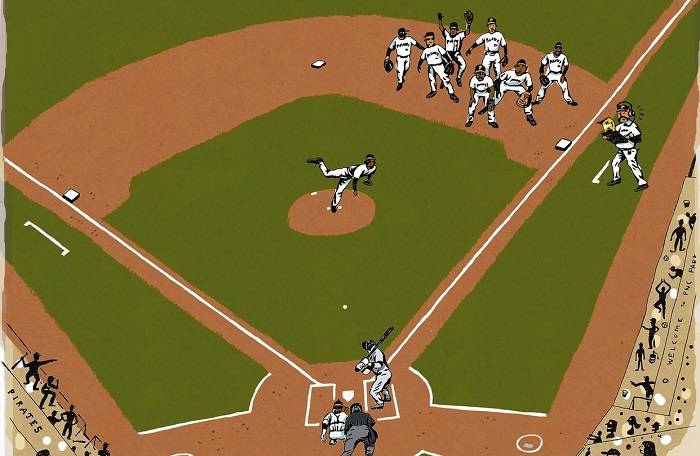
Modern analytics provide insights into where batters typically hit. Shortstops need to adjust to defensive shifts and play strategically to cover ground.
Anticipating Steals and Pickoffs
Shortstops often work with pitchers and catchers to position themselves optimally for pickoff attempts and to cover bases in steal attempts.
Reading the Batter’s Stance
Understanding how a batter’s stance and swing align with potential hitting zones is crucial for effective positioning.
The Role of Technology and Data Analytics
Video Analysis: Reviewing game footage to identify areas for improvement.
Tracking Metrics: Defensive metrics like UZR (Ultimate Zone Rating) and DRS (Defensive Runs Saved) provide a quantifiable analysis of fielding performance.
Simulation Training: Virtual reality and other simulation tools help shortstops refine their game
Related Post:
Unraveling the Lengthy Thrills: How Long Are F1 Races?
Mastering the Court: A Deep Dive into Basketball Strategies
A Comprehensive Guide to Cricket Equipment: Essential Gear for Every Player
Bowling Bumpers: A Guide to Fun and Fair Play
Being a shortstop means shouldering a wide array of responsibilities, both physically and mentally. It’s not just about fielding the ball; it’s about being a tactical leader and executing consistently under pressure. The historical greats and modern legends have set high standards, and aspiring shortstops need to blend agility, intelligence, and unwavering commitment to excel. Whether you’re playing at a little league level or eyeing a professional career, mastering the shortstop position demands relentless dedication to your craft. Stay focused, keep practicing, and aim to lead your team by example.