


In the realm of sports, few games exhibit the combination of grace, agility, and strategic prowess quite like basketball. From its humble origins in a Springfield YMCA to becoming a global phenomenon, basketball has evolved into a sport that captivates millions worldwide. In this comprehensive guide, we delve into the intricate strategies that define the game, from offensive plays to defensive formations, exploring how teams master the court to secure victory.
The Offense
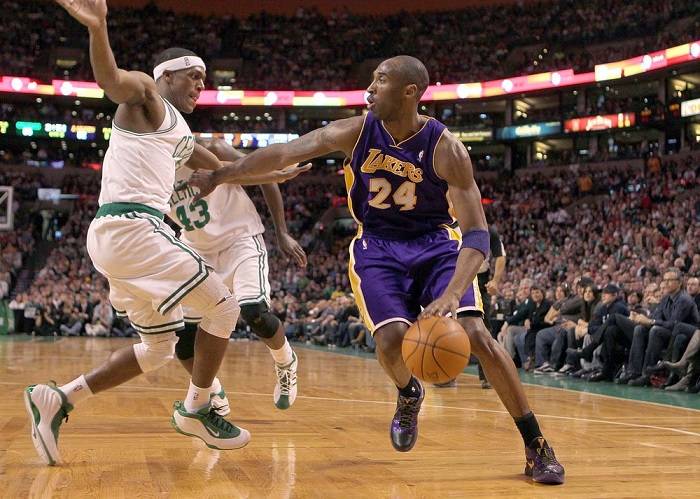
At the heart of basketball lies the offense, where teams orchestrate plays to outmaneuver their opponents and score points. One of the fundamental strategies is the pick-and-roll, a play that involves one player setting a screen (the pick) for a teammate handling the ball, allowing them to drive past their defender or take an open shot. This simple yet effective maneuver requires precise timing and communication between players.
Another key offensive tactic is the fast break, a strategy that emphasizes quick transitions from defense to offense to catch the opposing team off guard. Speedy players sprint down the court after a defensive rebound or turnover, looking to capitalize on numerical advantages before the defense can set up. Successful execution of the fast break relies on players’ ability to read the game, make split-second decisions, and move in sync with their teammates.
Furthermore, basketball offenses often revolve around spacing and movement. Players continuously adjust their positions on the court to create passing lanes, and driving lanes, and open shooting opportunities. This fluid motion not only confuses defenders but also opens up scoring chances for teammates. Coaches emphasize the importance of ball movement and player movement, encouraging selfless play and teamwork over individual heroics.
The Defense
While offense wins games, defense wins championships—a mantra echoed by basketball coaches worldwide. A solid defensive strategy begins with on-ball pressure, where defenders apply tight coverage to disrupt the opposing team’s rhythm and force turnovers. Skilled defenders use their agility and anticipation to anticipate passes, deflect shots, and create transition opportunities for their own team.
In addition to individual defense, teams employ various defensive formations to protect the basket and limit scoring opportunities. The most common defense is the man-to-man defense, where each defender is responsible for marking a specific opponent. This strategy requires players to stay disciplined, communicate effectively, and provide help defense when necessary to cover for teammates.
Another popular defensive tactic is zone defense, where players defend specific areas of the court rather than individual opponents. Zones can vary in complexity, from the simple 2-3 zone to more intricate variations like the 1-3-1 or the matchup zone. Zone defenses are effective against teams with strong individual scorers but require cohesion and awareness to prevent opponents from exploiting gaps.
Moreover, successful defensive teams excel in rebounding, securing possession of missed shots to deny second-chance opportunities to their opponents. Coaches emphasize boxing out—a technique where players position themselves to gain leverage and block out opposing players—as a fundamental skill in controlling the boards.
The Mental Game
Beyond Xs and Os, basketball is also a test of mental toughness and resilience. Players must overcome adversity, stay focused under pressure, and maintain confidence in their abilities, even in the face of setbacks. Coaches play a crucial role in shaping players’ mindsets, and instilling values of discipline, perseverance, and teamwork.
Furthermore, basketball is a game of adjustments, where teams must adapt their strategies based on their opponents’ strengths and weaknesses. Halftime adjustments, timeouts, and in-game substitutions allow coaches to tweak their game plans and exploit favorable matchups. Flexibility and adaptability are key traits of successful teams, allowing them to stay one step ahead of their competitors.
The History of Basketball
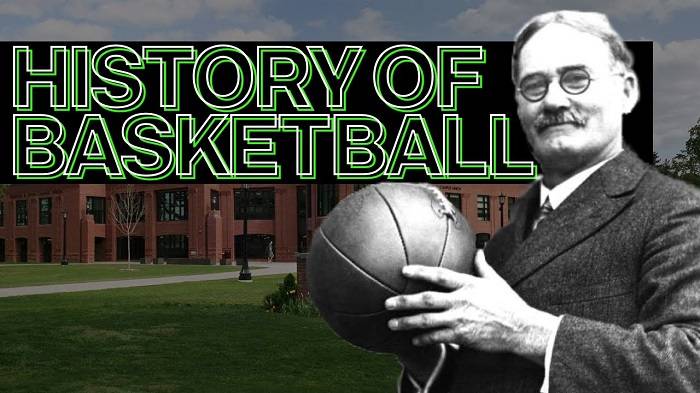
To truly appreciate basketball, one must first understand its humble origins. Conceived by Dr. James Naismith in 1891, basketball was born out of a simple desire to keep athletes active during the harsh winter months. Using a soccer ball and two peach baskets, Naismith crafted a game that would soon captivate the world.
From its modest beginnings in a YMCA gymnasium in Springfield, Massachusetts, basketball quickly spread across the globe. The sport’s evolution saw the introduction of key innovations such as the dribble, the three-point line, and the shot clock, each contributing to its rapid rise in popularity.
Today, basketball stands as one of the most widely played and watched sports in the world, with leagues spanning continents and cultures. From the storied history of the NBA to the grassroots initiatives driving growth in emerging markets, the global basketball community continues to thrive and evolve.
The Fundamentals of Gameplay
At its core, basketball is a game of strategy, skill, and teamwork. The objective is simple: outscore your opponent by shooting the ball through the opponent’s hoop while preventing them from doing the same. Yet, achieving this goal requires mastery of a myriad of fundamentals.
Dribbling, passing, shooting, and defense form the building blocks of basketball proficiency. Dribbling allows players to maneuver around defenders, while passing facilitates ball movement and teamwork. Shooting, whether from mid-range or beyond the arc, is the ultimate expression of scoring prowess. Meanwhile, stout defense is essential for disrupting opponents’ offensive flow and securing crucial stops.
Beyond these basic skills, basketball also demands a deep understanding of strategy and court awareness. Players must anticipate their opponents’ movements, exploit defensive weaknesses, and execute plays with precision timing. Whether running a fast break, executing a pick-and-roll, or spacing the floor for perimeter shooting, strategic acumen is the hallmark of championship-caliber teams.
The Spirit of Competition

What truly sets basketball apart is the unyielding spirit of competition that permeates every game, from the local playground to the grand stage of the NBA Finals. Whether you’re a seasoned professional or a weekend warrior, stepping onto the court evokes a primal sense of determination and passion.
In every jump ball, every fast break, and every last-second buzzer-beater, players test their limits and push themselves to excel. It’s a game of inches, where split-second decisions can alter the course of a contest, and the relentless pursuit of victory fuels an insatiable hunger for greatness.
But beyond the quest for personal glory, basketball fosters camaraderie and sportsmanship among competitors. In victory, there’s respect for the vanquished, and in defeat, there’s admiration for the victor. Bonds forged on the hardwood endure long after the final buzzer sounds, transcending rivalries and uniting players in a shared love for the game.
The Impact Beyond the Court
Beyond its entertainment value, basketball serves as a powerful force for positive change in communities around the world. From grassroots programs promoting youth development to NBA initiatives addressing social justice issues, the sport’s influence extends far beyond the confines of the court.
Through basketball, players learn valuable life lessons about perseverance, teamwork, and resilience. They discover the importance of discipline, dedication, and hard work in pursuit of their goals. Moreover, basketball serves as a universal language that transcends cultural barriers, bringing people together and fostering understanding and empathy.
In the grand tapestry of sports, basketball occupies a special place, weaving together athleticism, strategy, and camaraderie into a mesmerizing spectacle. From its humble beginnings to its global prominence, the game has endured and thrived, captivating millions with its electrifying action and indomitable spirit.
As we celebrate the essence of basketball, let us remember the lessons it teaches us about resilience, teamwork, and the pursuit of excellence. Whether you’re a player, a fan, or simply a lover of the game, basketball offers something for everyone, uniting us in a shared passion that knows no bounds. So lace up your sneakers, grab a ball, and join us as we continue to journey through the heart of basketball, where the next thrilling chapter awaits.
Related Post:
The Ultimate Football Equipment Checklist: Everything You Need to Gear Up for the Game
Mastering the Center Line in Volleyball: A Comprehensive Guide
Unraveling the Mysteries of Backcourt Violation in Basketball: Rules, Strategies, and Controversies
Basketball is more than just a game—it’s a dynamic blend of athleticism, strategy, and mental fortitude. From intricate offensive plays to tenacious defense, every aspect of the game contributes to its enduring appeal. Whether you’re a player, coach, or spectator, understanding the strategies that define basketball enhances your appreciation for the sport’s beauty and complexity. So, the next time you watch a game, pay close attention to the pick-and-rolls, the defensive rotations, and the mental battles unfolding on the court—you’ll gain a deeper insight into the masterful strategies at play.