

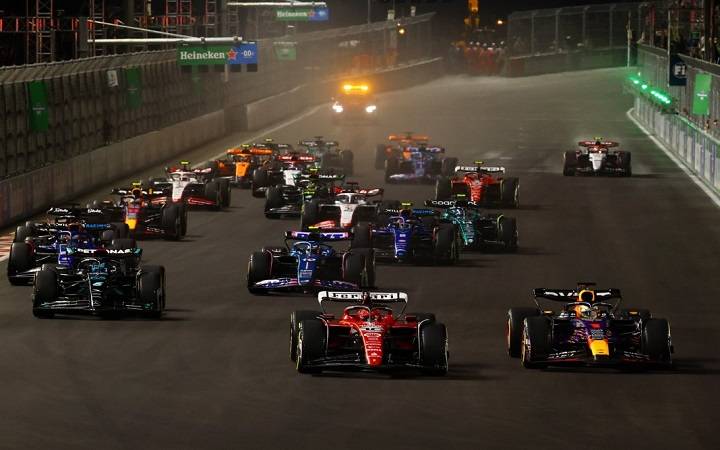
In the adrenaline-fueled world of Formula 1 racing, every second counts. From the roaring engines to the nail-biting finishes, F1 races offer an unparalleled spectacle of speed, skill, and strategy. But just how long do these high-octane events last? Strap in as we take a deep dive into the duration of F1 races, exploring the factors that influence race length and the evolution of race durations over the years.
The Basics: Race Lengths in Formula 1
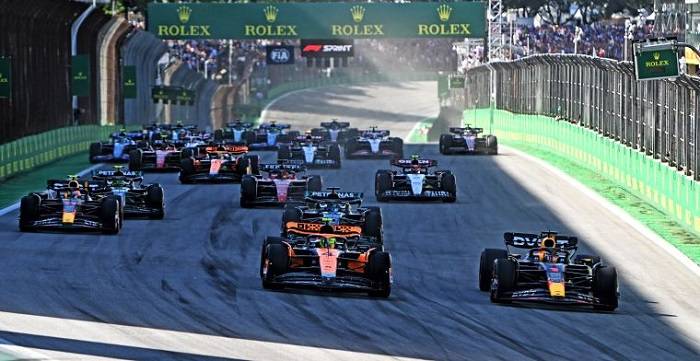
Formula 1 races vary in length depending on the circuit and race regulations. Traditionally, races are conducted over a specific number of laps rather than a set time duration. This means that the length of a race can differ significantly from one circuit to another, ranging from around 260 kilometers (roughly 161 miles) for shorter tracks to over 300 kilometers (approximately 186 miles) for longer ones.
Factors Influencing Race Length
Several factors contribute to the duration of an F1 race:
Circuit Length: Longer circuits naturally result in longer race distances. For example, the Circuit de Spa-Francorchamps in Belgium spans approximately 7 kilometers (4.3 miles), while the Monaco street circuit measures just over 3 kilometers (1.9 miles). Consequently, races at Spa are typically longer than those at Monaco.
Regulations: Formula 1 regulations dictate the minimum and maximum race distances. The FIA (Fédération Internationale de l’Automobile), the sport’s governing body, sets these rules to ensure fairness and safety. For instance, the minimum distance for a Grand Prix is 305 kilometers (approximately 190 miles), while the
maximum is 305 kilometers plus one lap
Pit Stops and Safety Car Periods: Pit stops for tire changes and refueling (in the past) can extend the overall race duration. Additionally, incidents on the track that require the deployment of the safety car can also impact the length of a race. These factors add an element of unpredictability to the race duration.
Weather Conditions: Extreme weather conditions, such as heavy rain or excessive heat, can affect race lengths. Rain can lead to delays, red flags, or even race stoppages, while high temperatures may necessitate additional precautions or modifications to the race schedule.
Evolution of Race Durations
Over the decades, Formula 1 race lengths have undergone several changes, reflecting shifts in technology, safety standards, and sporting regulations.
Early Years: In the early years of Formula 1, races were often longer compared to modern standards. Some races, such as the legendary Mille Miglia, were endurance events spanning hundreds of kilometers. However, as safety concerns grew and technological advancements allowed for faster speeds, the focus shifted towards shorter, more intense races.
Regulatory Changes: Formula 1 regulations have evolved significantly since its inception. Race durations, along with other aspects such as car specifications and scoring systems, have been subject to frequent revisions aimed at enhancing competition and safety. For example, the introduction of the 305-kilometer minimum race distance aimed to standardize race lengths across different circuits.
Technology and Strategy: Advancements in technology and race strategy have also impacted race durations. Improved aerodynamics, tire compounds, and engine reliability have allowed drivers to push harder and complete races more quickly. Meanwhile, strategic elements such as pit stop timing and tire management play a crucial role in determining race outcomes.
Globalization: The globalization of Formula 1 has led to the inclusion of circuits in diverse locations worldwide. Each circuit presents its own unique challenges and characteristics, influencing race lengths and dynamics. From the high-speed straights of Monza to the twisty streets of Singapore, each track offers a distinct racing experience.
The pinnacle of motorsport, is renowned for its high-speed action, cutting-edge technology, and nail-biting races that push drivers to their limits. But have you ever wondered just how long these races really are? From the adrenaline-fueled sprints to the grueling endurance tests, Formula 1 offers a diverse range of race lengths that keep fans on the edge of their seats. Join me as we delve into the fascinating world of Formula 1 race lengths and explore the variety of formats that make each race a unique spectacle.
The Classic: Grand Prix Races (300 Kilometers or 190 Miles)
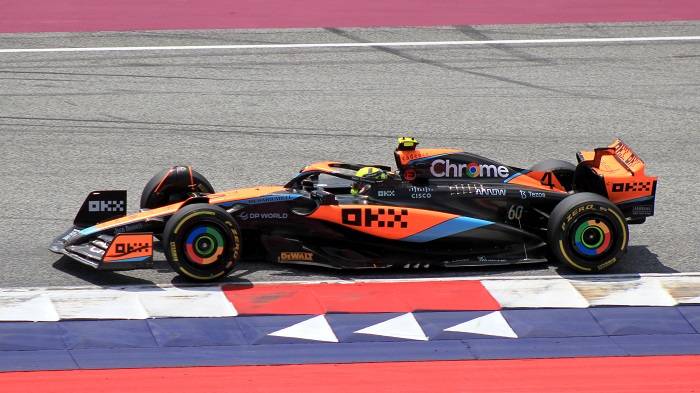
Traditionally, Formula 1 Grand Prix races have been around 300 kilometers or approximately 190 miles in length.
The exact distance varies depending on the circuit, with longer circuits requiring fewer laps to reach the target distance.
This format has been a staple of Formula 1 since its inception, providing a balanced challenge for drivers and teams alike.
Sprint Races: A New Addition to the Formula 1 Calendar
In recent years, Formula 1 has introduced sprint races as a way to spice up the race weekend format.
Sprint races are shorter than traditional Grand Prix races, typically lasting around 100 kilometers or 60 miles.
The grid for the sprint race is determined by a separate qualifying session held on Friday, with the results setting the starting positions for the main race on Sunday.
Sprint races offer a condensed burst of excitement, with drivers pushing hard from start to finish to gain valuable championship points.
Endurance Epics: The Legendary 24 Hours of Le Mans
While not part of the official Formula 1 calendar, endurance racing holds a special place in the world of motorsport.
The 24 Hours of Le Mans is one of the most iconic endurance races, challenging drivers to compete non-stop for a full day.
Teams must carefully manage their resources, including fuel, tires, and driver stamina, to endure the grueling race distance.
Endurance races like Le Mans showcase the ultimate test of both man and machine, pushing the boundaries of what is possible in motorsport.
Street Circuits: Unique Challenges and Distances
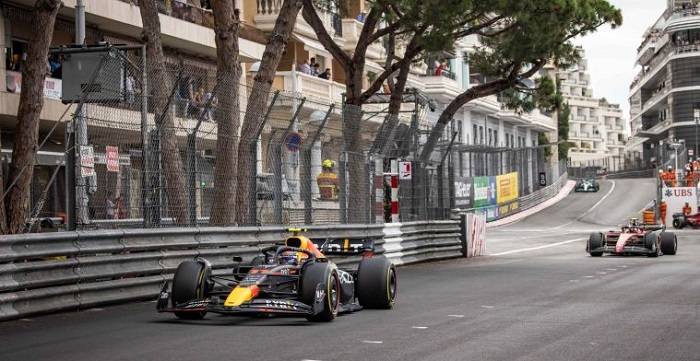
Formula 1 features a variety of circuits, including traditional race tracks and temporary street circuits.
Street circuits present unique challenges due to their narrow roads, tight corners, and unforgiving barriers.
The race length on street circuits may vary depending on factors such as track layout and local regulations.
Despite the shorter distances compared to traditional circuits, street races often produce some of the most dramatic and unpredictable moments in Formula 1.
The Evolution of Race Lengths: Adapting to Changing Times
Over the years, Formula 1 has seen changes in race lengths and formats to accommodate shifting trends and audience preferences.
The introduction of sprint races is just one example of Formula 1’s willingness to innovate and experiment with new ideas.
As technology continues to advance and the sport evolves, we can expect to see further adaptations to race lengths and formats in the future.
Related Post:
Unraveling the Legacy: Who Has the Most Rings in the NBA?
Navigating the Technical Foul in Basketball: Rules, Implications, and Controversies
The Beautiful Game: Exploring the Art and Science of Soccer Scoring
In the world of Formula 1, time and distance intersect to create a captivating spectacle of speed, skill, and strategy. While race lengths may vary depending on numerous factors, the thrill of witnessing drivers push themselves and their machines to the limit remains a constant.
So, the next time you tune in to watch a Formula 1 race, take a moment to appreciate the intricacies of race duration and the myriad factors that shape the ultimate test of speed and endurance. Whether it’s a sprint around the streets of Monte Carlo or a marathon at the iconic Circuit de Spa-Francorchamps, Formula 1 never fails to deliver excitement, drama, and heart-stopping moments that keep fans on the edge of their seats.