

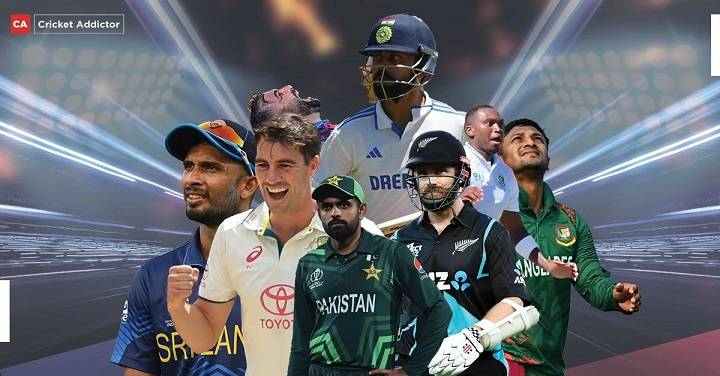
Cricket, often dubbed as a religion in some parts of the world, is not just a sport but a lucrative career for many talented athletes. From the roaring crowds in packed stadiums to the intense battles on the field, cricket has evolved into a global phenomenon with a massive fan following. But behind the glitz and glamor lies the economics of the game, where players earn their livelihoods through a combination of match fees, contracts, endorsements, and tournament winnings. In this blog post, we’ll delve into the various avenues through which cricket players make money and explore the factors that influence their earnings.
Understanding the Basics: Match Fees and Contracts
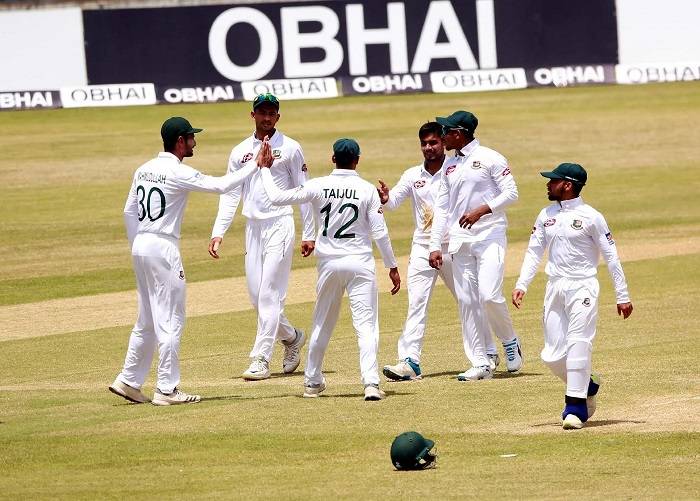
For professional cricket players, match fees and central contracts serve as the primary sources of income. Match fees are paid by the respective cricket boards to players representing their countries in international fixtures. These fees can vary significantly depending on the format of the game (Test, One Day International, or T20), the player’s seniority, and the country they represent.
Central contracts, on the other hand, are annual retainers offered by cricket boards to a select group of players deemed integral to the national team setup. These contracts come with a fixed salary and often include performance-based incentives. The value of central contracts can vary widely between cricket boards, with players from countries like India, England, Australia, and South Africa generally commanding higher salaries compared to players from smaller cricketing nations.
The Power of Franchise Leagues
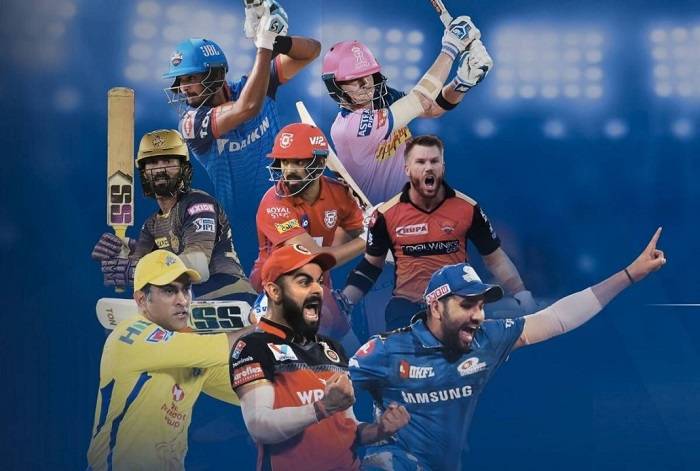
In recent years, the emergence of franchise-based T20 leagues has revolutionized the earning potential of cricket players. Leagues such as the Indian Premier League (IPL), Big Bash League (BBL), Caribbean Premier League (CPL), and Pakistan Super League (PSL) have become immensely popular, attracting top talent from around the world.
Players participating in these leagues can earn substantial sums through player contracts, match fees, and performance bonuses. The IPL, in particular, stands out as the most lucrative T20 league, with players like Virat Kohli, Rohit Sharma, and MS Dhoni fetching multi-million-dollar contracts from franchise owners.
Sponsorships and Endorsements: Beyond the Cricket Field
Cricket’s popularity extends beyond the boundaries of the playing field, opening up lucrative opportunities for players in the realm of endorsements and sponsorships. Top cricketers often sign endorsement deals with leading brands, ranging from sportswear companies to consumer goods manufacturers.
These endorsement deals can be highly lucrative, sometimes surpassing the players’ earnings from their cricketing endeavors. For instance, Indian cricket captain Virat Kohli is one of the highest-paid athletes globally, thanks in large part to his numerous endorsement deals with brands such as Puma, Audi, and MRF.
The Role of Performance and Brand Value
While cricket offers immense earning potential for its top performers, it’s essential to recognize that not all players command the same level of income. Performance on the field plays a significant role in determining a player’s market value, with consistent performers often attracting higher fees and endorsement opportunities.
Moreover, a player’s brand value and off-field persona also contribute to their earning potential. Charismatic players with a strong social media presence and a clean public image are more likely to attract lucrative endorsement deals compared to those who remain relatively low-profile.
Disparities and Challenges
Despite the glamorous facade of cricket’s economic landscape, disparities exist within the sport, both in terms of earnings and opportunities. Players from smaller cricketing nations or those outside the elite circles often struggle to make ends meet, relying heavily on match fees and sporadic league appearances to sustain their careers.
Furthermore, the gender pay gap remains a pressing issue in cricket, with female players earning significantly less than their male counterparts. While efforts are being made to bridge this gap through initiatives such as the Women’s Big Bash League (WBBL) and increased prize money in women’s tournaments, there’s still a long way to go in achieving true parity.
Match Fees
One of the primary sources of income for cricket players is match fees. These fees are paid by cricket boards to players representing their respective countries in international matches. The amount varies depending on the format of the game (Test, One-Day International, or T20), the player’s seniority, and the country’s cricket board. Generally, players from more affluent cricketing nations tend to earn higher match fees compared to those from smaller cricketing nations.
For instance, according to reports, the Board of Control for Cricket in India (BCCI) pays its players handsomely for international matches. Top Indian cricketers can earn upwards of $20,000 for a Test match, $10,000 for a One-Day International (ODI), and $5,000 for a Twenty20 International (T20I). On the other hand, players from associate cricketing nations might earn significantly lower match fees, often ranging from a few hundred to a couple of thousand dollars per match.
Central Contracts
Many cricket boards offer central contracts to their players, providing them with a fixed salary over a specified period. These contracts typically categorize players based on their performance and seniority, with different tiers corresponding to different pay grades. Players in higher categories receive more substantial contracts, along with additional perks such as bonuses and insurance coverage.
For example, the England and Wales Cricket Board (ECB) operates a central contract system for its players, dividing them into several categories ranging from Test Match contracts to Increment contracts. The top-tier players receive a substantial annual salary, often supplemented by match fees and performance bonuses.
Domestic Tournaments:
Apart from international cricket, players also participate in domestic leagues and tournaments held in their respective countries. These leagues, such as the Indian Premier League (IPL), Big Bash League (BBL), and Caribbean Premier League (CPL), offer lucrative opportunities for players to showcase their talent and earn significant sums of money through player contracts and match fees.
The IPL, in particular, is known for its extravagant player auctions and hefty player salaries. Top players from around the world command astronomical fees from franchise owners eager to secure their services for the tournament. A-list cricketers can earn millions of dollars for a single season of the IPL, making it one of the most financially rewarding leagues in the cricketing world.
Endorsements and Sponsorships:
Off the field, cricket players leverage their popularity and reputation to secure lucrative endorsement deals and sponsorships. From sports equipment manufacturers to beverage brands and fashion labels, companies are eager to associate themselves with successful cricketers to enhance their brand image and reach a wider audience.
For instance, Indian cricket icon Virat Kohli is one of the highest-paid athletes globally, thanks to his numerous endorsement deals with brands like Puma, Audi, and MRF. These endorsements add a significant amount to Kohli’s annual earnings, surpassing even his income from cricketing activities.
Miscellaneous Income Streams:
In addition to the primary sources mentioned above, cricket players may also earn money through various other avenues such as coaching, commentary, media appearances, and personal investments. Retired players often transition into coaching roles or join broadcasting teams as commentators, capitalizing on their expertise and experience in the game.
Furthermore, players may invest their earnings in businesses, real estate, or other ventures to secure their financial future beyond their playing careers. Smart financial planning and prudent investment decisions can ensure long-term financial stability for cricket players even after they hang up their boots.
Related Post:
Demystifying Soccer: A Comprehensive Guide to Understanding the Rules of the Beautiful Game
Mastering the Skills of Cricket: A Comprehensive Guide
Unraveling the Mystique of Basketball’s Psi: The Science Behind Peak Performance
Cricket players have the potential to earn substantial incomes through a combination of match fees, central contracts, domestic leagues, endorsements, and other income streams. However, it’s essential to recognize that the earnings vary greatly depending on factors such as the player’s skill level, marketability, and the country’s cricketing landscape.
While top-tier players from cricketing powerhouses like India, Australia, and England enjoy significant financial rewards, players from smaller nations may struggle to make ends meet solely through cricket. Nevertheless, the allure of the game and the promise of fame and fortune continue to attract aspiring cricketers from all corners of the globe, perpetuating cricket’s status as one of the most lucrative sports in the world.