

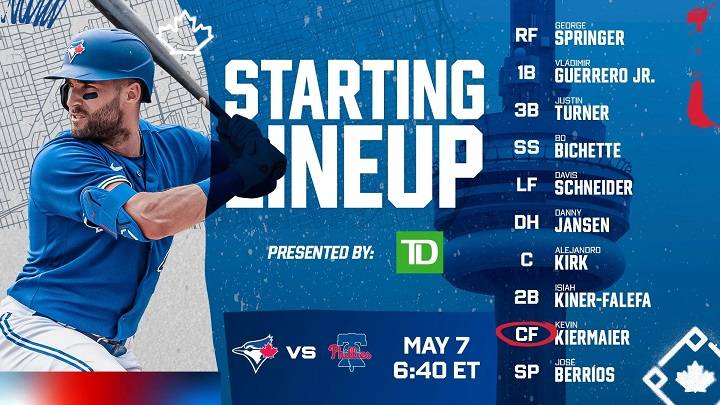
In baseball, the lineup holds the key to strategic gameplay. Managers craft their batting orders meticulously, weighing each player’s strengths and roles to maximize scoring opportunities and disrupt the opposing pitcher’s rhythm. One critical position in this order is the fourth slot, traditionally called the “cleanup hitter.” Understanding the purpose and role of the cleanup hitter can provide a deeper insight into baseball strategy and why this role remains vital even as the game evolves.
Understanding the Role of a Cleanup Hitter
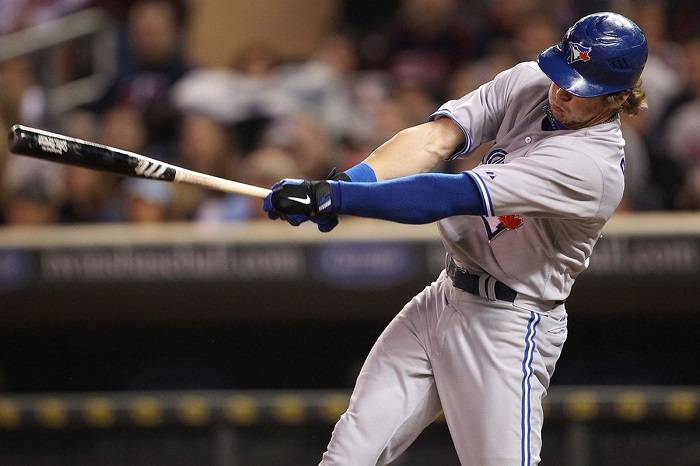
The name “cleanup” hints at the primary goal of the fourth batter: clearing the bases of any runners set up by the first three hitters. The first three players are tasked with reaching base through walks, singles, or doubles, providing opportunities for the cleanup hitter to “clean up” and drive them home. As a result, the cleanup hitter is often one of the most powerful batters in the lineup, capable of hitting home runs and extra-base hits to deliver runs in bulk.
Power Hitting: Power is crucial for a cleanup hitter. Their primary function is to score multiple runs with one swing. Their ability to drive the ball out of the park or into the gaps makes them a threat every time they step up to the plate.
Plate Discipline: Beyond brute power, cleanup hitters often possess excellent plate discipline. They can recognize pitches, lay off those out of the strike zone, and force pitchers into challenging situations. By coaxing walks or driving deep into counts, they pressure pitchers into mistakes.
Clutch Performance: Cleanup hitters thrive under pressure. The situation often calls for them to deliver big hits when the team needs them the most. The expectation for them to convert in high-stakes scenarios distinguishes a good cleanup hitter from a great one.
Traits and Qualities of the Cleanup Hitter
To succeed in this role, a cleanup hitter must possess certain attributes that distinguish them from the rest of the lineup:
Raw Power: Cleanup hitters tend to be among the team’s strongest players. Their ability to consistently hit for extra bases or home runs adds immediate scoring potential.
Consistency: They should not only have power but also consistency. Ideally, they can be relied on to frequently put the ball in play and avoid strikeouts, giving the team a better chance to bring home runners.
RBI Efficiency: A cleanup hitter needs to excel at driving in runners already on base. High RBI (Runs Batted In) totals usually characterize great cleanup hitters.
Composure and Focus: Great cleanup hitters possess mental resilience. Their composure allows them to perform when the pressure is highest, which is critical given their frequent appearances in key scoring situations.
Evolution of the Cleanup Role
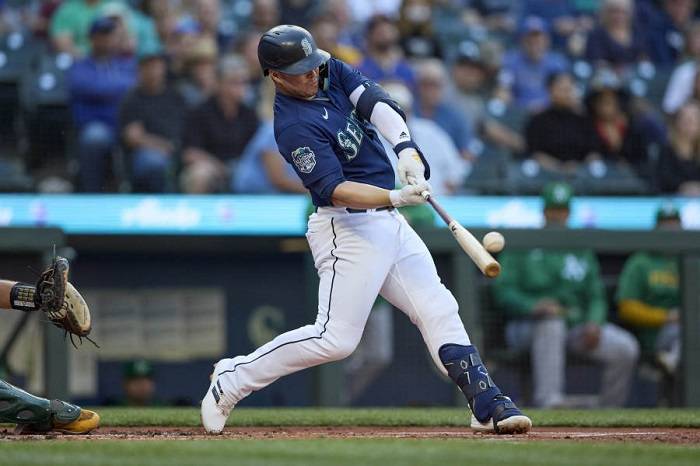
The traditional image of the cleanup hitter has evolved with the changing strategies in baseball. A few key trends have shaped the role over time:
Analytics and Sabermetrics: Modern analytics emphasize on-base percentage (OBP) and slugging percentage (SLG) over traditional batting averages. This has shifted some teams to place higher OBP hitters in earlier slots, even if it means moving a traditional power hitter to a different position in the order.
Lineup Flexibility: With the advent of data-driven strategy, lineups have become more fluid, allowing managers to adapt based on pitching matchups and ballpark factors. Cleanup hitters may bat in different slots, particularly if they are left-handed and face a right-handed pitcher or vice versa.
Increasing Power Distribution: Home runs and power-hitting are no longer exclusive to one or two players in a lineup. Instead, many teams boast power throughout their rosters. This shift has made the cleanup hitter less isolated as the primary power threat.
Famous Cleanup Hitters in Baseball History
Many legendary baseball players have occupied the cleanup spot over the years, carving out storied careers as clutch hitters. A few notable names include:
Babe Ruth: Ruth redefined the cleanup role with his unprecedented power. He became synonymous with home runs and holds multiple records that have stood for decades.
Hank Aaron: Known for his consistency and all-around batting ability, Aaron brought a unique combination of power and skill to the cleanup position, finishing his career with 755 home runs.
Manny Ramirez: Ramirez became a fixture as a cleanup hitter in the 1990s and 2000s, combining raw power with incredible clutch hitting. He was known for his ability to change the course of a game with one swing.
David Ortiz: Ortiz, or “Big Papi,” cemented himself as one of the most feared cleanup hitters, especially in the postseason. He was pivotal to the Red Sox’s multiple championships in the 2000s.
Modern Cleanup Hitters to Watch
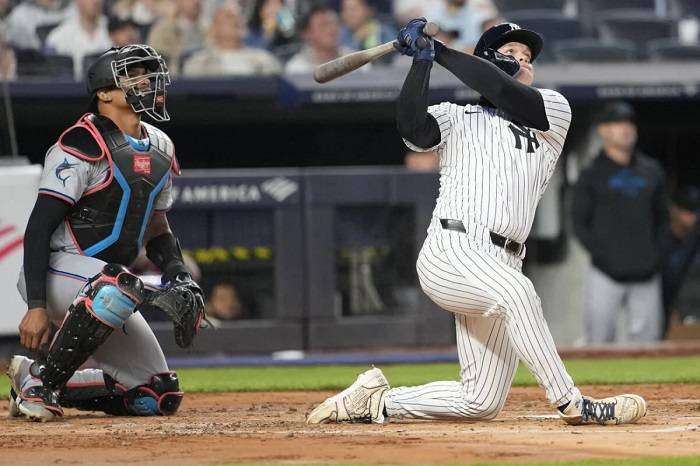
In today’s game, many players continue to demonstrate the value of the cleanup role with their blend of power and consistency. A few notable cleanup hitters today include:
Giancarlo Stanton (New York Yankees): Stanton embodies the modern cleanup hitter with unparalleled power and exit velocity, consistently putting up high home run numbers.
Freddie Freeman (Los Angeles Dodgers): Freeman blends power with consistency, making him a formidable cleanup hitter who can also hit for average and deliver in critical moments.
Jose Ramirez (Cleveland Guardians): Ramirez is known for his versatility as a switch-hitter who can bring power to both sides of the plate. His speed also adds a layer of unpredictability to his offensive arsenal.
Vladimir Guerrero Jr. (Toronto Blue Jays): Guerrero Jr. is quickly establishing himself as one of the premier young power hitters in the game, following in his father’s Hall of Fame footsteps.
Related Post:
The Ultimate Guide to Throwing a Baseball
How to Hold a Baseball Bat: A Comprehensive Guide
Mastering the Art of Hitting in Baseball: A Comprehensive Guide
The Ultimate Guide to Baseball: Understanding the Game, Players, and Strategies
The fourth slot in the lineup, the cleanup hitter, remains a crucial position despite the evolving trends in baseball strategy. Whether it’s an iconic slugger from the past or a rising star today, the cleanup role remains integral to a team’s offensive success. Cleanup hitters’ ability to hit for power and handle high-pressure situations makes them the most feared and revered hitters in the game.
A well-chosen cleanup hitter can uplift the entire team’s performance, giving managers a weapon that can dramatically change the course of any game with one powerful swing. For baseball fans, understanding the complexities and expectations of this role makes the drama of the game even more exhilarating.