

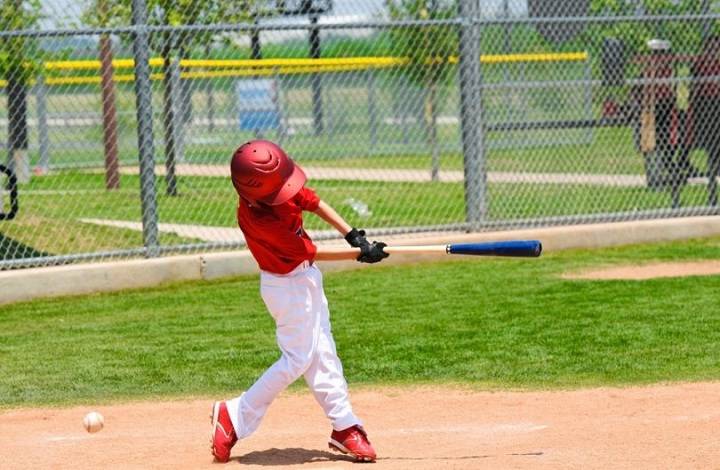
Baseball is a game of inches, where precision and technique can determine the outcome of a play. One of the fundamental skills that every player must master is how to hold a baseball bat correctly. Your grip on the bat can significantly affect your swing, power, control, and overall performance. In this comprehensive guide, we’ll delve into the details of how to hold a baseball bat, covering grip types, common mistakes, and tips for success.
Understanding the Basics
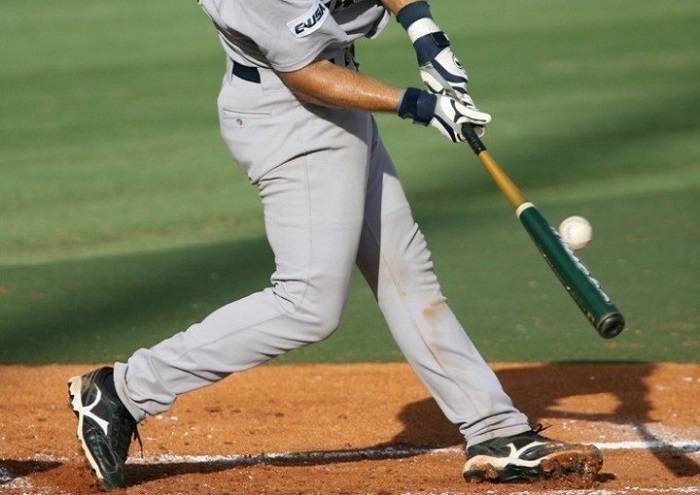
Before diving into different grips and techniques, it’s essential to understand the anatomy of a bat and how each part affects your grip:
Handle: The thinner section of the bat where you hold it. Your grip and pressure points on the handle play a significant role in the swing.
Barrel: The wider end of the bat that makes contact with the ball.
Knob: The small, flared end of the handle that prevents the bat from slipping out of your hands.
The Importance of a Proper Grip
A proper grip helps maximize your power and control while ensuring safety and minimizing the risk of injury. Here’s how:
Power Generation: A secure grip enables you to generate more power, as it helps the bat accelerate through the hitting zone.
Control: With better control over the bat, you can hit the ball where you want, improving your batting average and strategic play.
Injury Prevention: A strong, balanced grip can reduce strain on your wrists and forearms, helping to prevent overuse injuries.
Types of Baseball Bat Grips
Standard Grip:
Overview: This grip is the most commonly used by both beginners and professional players.
Technique: Hold the bat with your fingers, not your palms. Align your knuckles (door-knocking knuckles) on both hands. The bottom hand (the one closer to the knob) grips firmly but not tightly, while the top hand holds the bat gently, providing direction.
Choked-Up Grip:
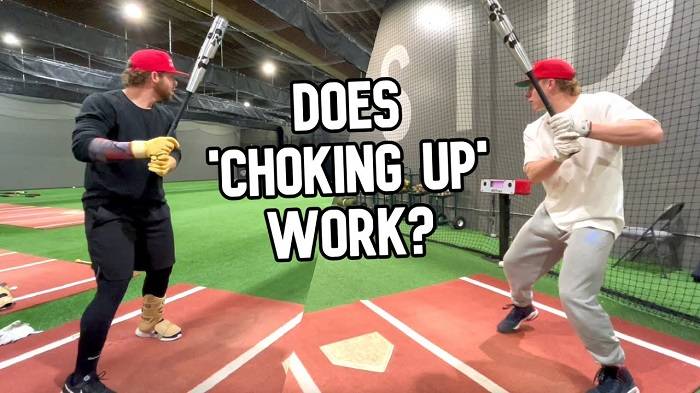
Overview: In this grip, the hands are positioned higher up the handle, leaving some space between the knob and the bottom hand.
Benefits: This grip provides better control and a quicker swing, which is useful for hitting fast pitchers or handling difficult pitches.
Drawbacks: Reduced bat length can decrease the power output.
Overlapping Grip (or Baseball Grip):
Overview: Similar to the grip used in golf, where one hand’s pinky overlaps the other hand’s index finger.
Benefits: This grip allows for increased wrist movement, potentially generating more bat speed and power.
Drawbacks: This grip is less stable than others and may be uncomfortable for some players.
Interlocking Grip:
Overview: The index finger of the bottom hand interlocks with the pinky of the top hand.
Benefits: Offers better control and can feel more secure for players with smaller hands.
Common Mistakes to Avoid
Grip Too Tight: A firm grip is essential, but over-gripping the bat can lead to tension in your arms, slowing your swing and reducing control.
Grip in the Palm: Gripping the bat in the palm instead of the fingers reduces flexibility and power.
Misaligned Knuckles: Not aligning your knuckles correctly can cause discomfort, limit movement, and reduce the effectiveness of your swing.
Unstable Grip: Ensure your grip is balanced and stable to prevent slipping or twisting of the bat upon contact.
Over-Tightening the Grip: An overly tight grip can lead to restricted wrist action, causing less powerful swings and poor follow-through.
Thumb Positioning: Some players tuck their thumbs under their fingers, which increases the risk of injury. Instead, position your thumbs around the handle in a natural, relaxed manner.
Too Much Knob Control: Over-relying on knob control can affect bat angle and lead to weak grounders. Use knob control judiciously for leverage.
How to Hold the Bat: Step-by-Step Instructions
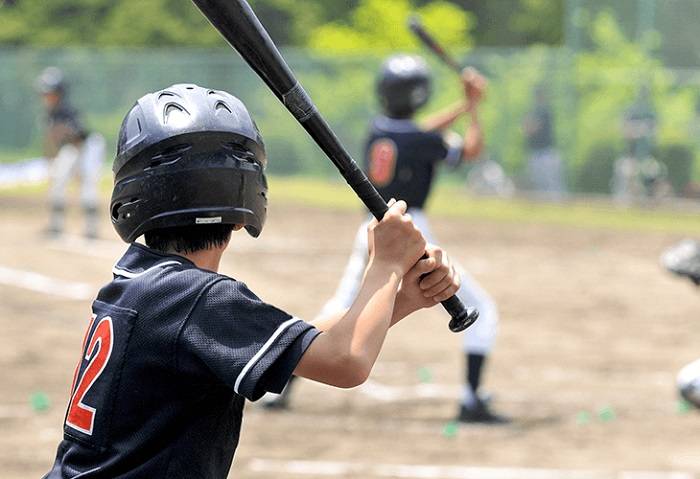
Choose the Correct Bat: Select a bat that is suitable for your height, weight, and strength. Make sure it’s not too heavy or too long.
Stand in the Batter’s Box:
Face the pitcher and plant your feet shoulder-width apart.
Slightly bend your knees and keep your weight balanced on the balls of your feet.
Grip the Bat:
Place the bottom hand on the handle first, gripping it firmly but comfortably. The bat should rest on the fingers, not the palm.
Add the top hand with knuckles aligned and grip more lightly to guide the swing.
Position the Bat:
The bat should be held diagonally across your body with the barrel pointing up over your back shoulder.
Keep your elbows relaxed and at roughly a 90-degree angle.
Check Your Knuckles:
Make sure your knuckles are aligned with each other. This allows for better wrist movement and a smoother swing.
Maintain Your Posture:
Lean slightly forward and ensure your head is positioned so that you can clearly see the pitcher and the ball.
Practice Your Swing:
Start with practice swings to ensure your grip is comfortable and effective.
Experiment with different grip types to see which one offers the best control and power.
Additional Tips and Tricks
Use Grip Tape or Gloves: For extra comfort and control, consider using grip tape or batting gloves.
Consistent Practice: Regularly practice your grip and swing to develop muscle memory.
Consult a Coach: Work with a coach to ensure your grip and swing mechanics are correct.
Adjust for Pitch Type: Modify your grip based on the type of pitch you expect, such as choking up for high-velocity pitchers.
Advanced Techniques and Training Drills
Knob Control: The bat knob, often neglected, is crucial for managing the bat’s angle. Some batters use their pinkie or ring finger to “hook” under the knob for added leverage.
Weighted Bat Practice: Training with a heavier bat helps develop strength, while using a lighter one focuses on speed. Both types help you experiment with different grips and pressure levels.
Mirror Practice: Swinging in front of a mirror helps you analyze your grip mechanics and identify issues. Focus on how the hands move through the swing and adjust your grip as needed.
Related Post:
The Art of Goaltending in Basketball: A Deep Dive into the Last Line of Defense
Spring Cleaning and Effective Storage: A Dual Strategy for Homeowners
Unveiling the Small Forward: The Versatile Maestro of Basketball
Mastering the Rebound: The Art and Science of Basketball’s Essential Play
Learning how to hold a baseball bat is fundamental to any player’s success at the plate. With the proper grip, you can maximize your power, accuracy, and confidence in every swing. Experiment with different grip styles to find what works best for you, and don’t hesitate to adjust your grip based on the game situation or pitch type. With dedication and practice, you’ll be swinging like a pro in no time.