

Baseball, America’s pastime, is a game deeply ingrained in many childhoods, offering lessons on teamwork, dedication, and skill. One fundamental aspect of the game is the art of throwing the baseball. Whether you’re an aspiring pitcher, an outfielder aiming for accuracy, or a fan who simply wants to improve their skills, learning how to throw a baseball properly is essential. This guide covers everything you need to know about the mechanics, grips, and techniques of throwing a baseball effectively and efficiently.
Understanding the Basics
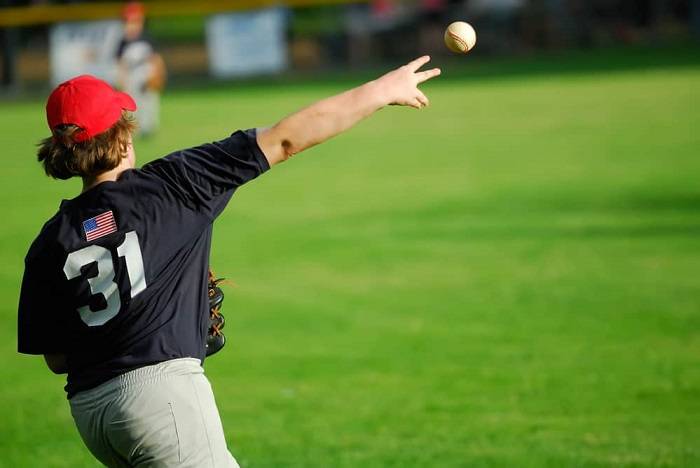
Before diving into specific techniques, it’s important to understand the basics that form the foundation of throwing a baseball.
Grip
The way you hold the ball can significantly influence the speed, accuracy, and movement of your throws. Here are common grips:
Four-Seam Grip: The most fundamental grip, which maximizes speed and control. Place your index and middle fingers across the four seams of the ball, with the thumb supporting it from below.
Two-Seam Grip: Useful for getting extra movement on your throw. Place your fingers parallel along the seams, with the thumb below.
Change-Up Grip: Usually employed by pitchers, a change-up grip is looser, with more fingers holding the ball, to reduce velocity while maintaining a similar arm action to a fastball.
Stance and Positioning
Your stance plays a vital role in your throw. Follow these guidelines for effective posture:
Stand sideways, with your feet shoulder-width apart, pointing towards your target.
Your weight should rest on the back foot.
The front shoulder points at your target.
Breaking Down the Throw
Once you have the grip and stance right, it’s time to focus on the mechanics of the throw. Proper mechanics are key to achieving velocity, accuracy, and arm health.
Wind-Up (Starting the Throw)
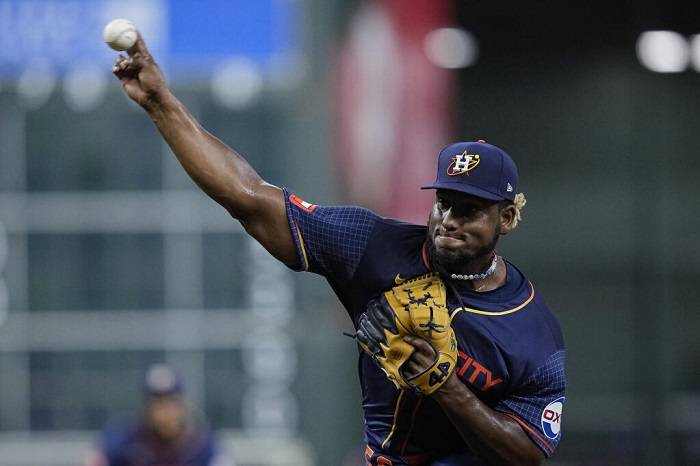
Begin by moving your front foot (glove-side) slightly forward.
Lift your front leg to initiate momentum, keeping your balance on your back leg.
Keep your hands together, as if preparing to pitch, and then start separating them as your front leg begins to lower.
Striding
As you lower your front leg, step forward towards your target.
Your front leg should stride comfortably forward, creating a solid base.
Plant the front foot, pointing towards the target, while keeping your back foot stable.
Arm Motion
As your stride progresses, your throwing arm moves back and up into a high position.
Your elbow should be bent at about 90 degrees, forming an “L” shape.
Rotate your shoulders, shifting your weight from the back foot to the front.
Release
Drive your throwing arm forward, using the momentum generated by the stride.
As you approach the release point, focus on snapping your wrist for extra spin.
Release the ball with the index and middle fingers applying most of the pressure.
The follow-through is critical: keep your arm in motion, bringing it across your body.
Throwing Techniques for Different Positions
Different positions require specialized throwing techniques.
Pitchers
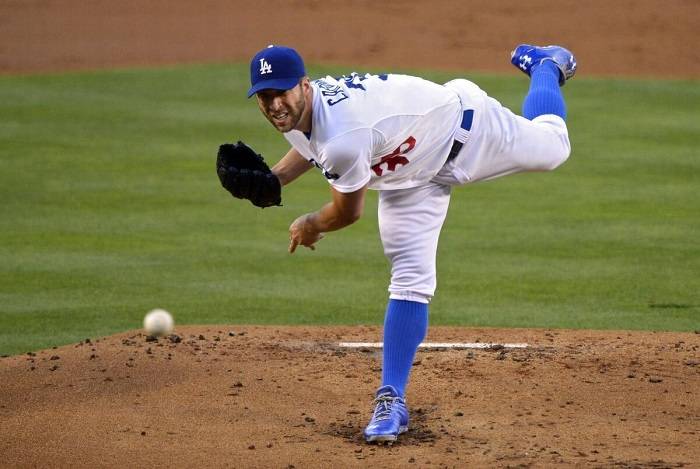
Pitchers must master several types of pitches, like fastballs, sliders, curveballs, and change-ups. Practice with the following principles:
Accuracy is crucial; locate your pitches at the corners or edges of the strike zone.
Vary your speeds and movements to keep batters guessing.
Infielders
Infielders often make shorter, more accurate throws:
Practice quick-release throws, keeping throws low and controlled.
Maintain a low stance to be able to quickly transfer the ball to your throwing hand.
Outfielders
Outfielders typically require strong and accurate throws over long distances:
Utilize a crow-hop technique to gain momentum and power.
Overemphasize the stride to fully extend your arm and body for maximum strength.
Practice Tips and Drills
Wall Throwing
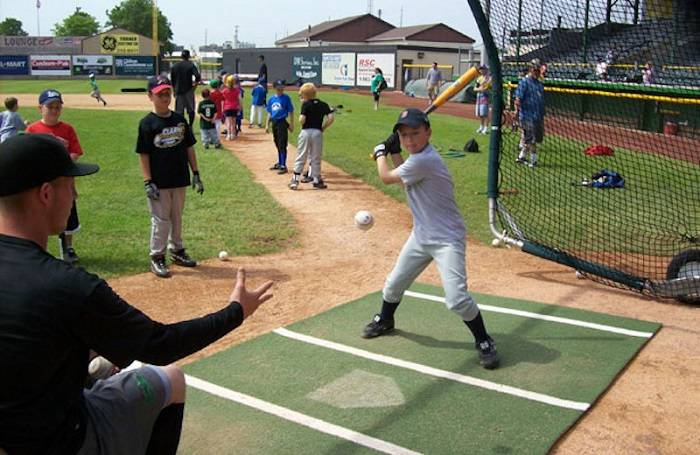
Practice your form and release by throwing against a wall or into a net. Focus on your mechanics and follow through.
Long Toss
Gradually increase your throwing distance, enhancing your arm strength and endurance.
Target Practice
Set up targets to improve your accuracy. Concentrate on different spots and practice hitting them repeatedly.
Video Analysis
Record your throwing sessions to analyze your form and mechanics. Identify areas for improvement.
Preventing Injury
Throwing a baseball can put significant strain on your arm and shoulder. Follow these tips to reduce the risk of injury:
Warm-Up: Start with light jogging and dynamic stretches to increase blood flow.
Stretching: Post-throwing stretches like shoulder rolls and arm circles can prevent tightness.
Proper Recovery: Give your arm time to rest, particularly after intense pitching sessions.
Cross-Training: Strengthen other muscle groups through weight training, cardio, and flexibility exercises.
Strength and Conditioning
To achieve consistent and powerful throws, it’s important to maintain strong throwing muscles. Here are a few tips for keeping your arm healthy:
Warm-Up and Stretch
Warm up with dynamic stretches and light jogging to increase circulation before throwing.
Incorporate shoulder rotations and arm circles to keep your arm flexible.
Core Exercises
A strong core helps stabilize your body during throws:
Planks, Russian twists, and leg raises will develop your core muscles.
Arm Care Routines
Prevent injury by following arm care routines like resistance band exercises or lightweight dumbbell work.
Rest and Recovery
Allow your arm time to recover by not throwing every day, and consult a trainer or coach if you feel any pain.
Related Post:
Unveiling the Velocity: Exploring the Top Speeds of NASCAR
The Power Forward: Engine of Basketball’s Evolution
The Post Position in Basketball: Dominance in the Paint
The Economics of Cricket: How Much Do Cricket Players Really Make?
Throwing a baseball is an art that requires practice, proper mechanics, and dedication. Whether you’re pitching from the mound or throwing from the outfield, understanding the fundamentals and refining your techniques will improve your performance and enjoyment of the game. Take the time to build muscle memory through consistent practice, and maintain good arm health, and soon you’ll be throwing like a pro!
Mastering the art of throwing a baseball is a journey that requires dedication and a clear understanding of fundamentals. By following the proper grip, stance, separation, rotation, and follow-through, you’ll be well on your way to achieving a consistent, powerful throw. Practice the different throwing styles to become a versatile fielder, and always prioritize conditioning and recovery to keep your arm healthy. With these steps in place, you’ll gain both accuracy and power, throwing your way to baseball success.