

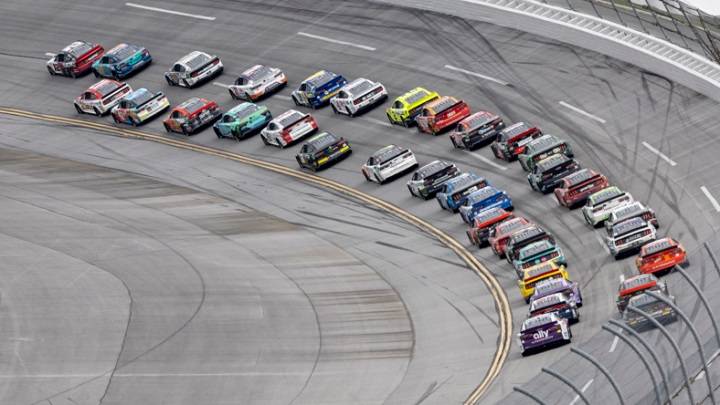
In the world of motorsports, speed reigns supreme. And when it comes to sheer velocity, few competitions can match the adrenaline-pumping rush of NASCAR racing. From the thunderous roar of engines to the blur of cars hurtling around the track, NASCAR is the epitome of high-speed excitement. But just how fast do these racing machines go? Join us as we delve into the realm of speed, uncovering the top speeds of NASCAR and the incredible feats that drivers and teams achieve on the asphalt battlegrounds.
The Need for Speed

Speed is the lifeblood of NASCAR, coursing through the veins of every race, every driver, and every fan. It’s the driving force behind the heart-stopping moments and edge-of-your-seat action that make NASCAR one of the most thrilling sports on the planet. But what exactly constitutes top speed in NASCAR?
The Quest for Velocity:
In NASCAR, speed isn’t just a goal; it’s a relentless pursuit. From the drafting tactics on the superspeedways to the precision-engineered aerodynamics of the race cars, every aspect of NASCAR is finely tuned to maximize velocity. But perhaps the most crucial factor in achieving top speed is horsepower.
Powering to the Limit:
At the heart of every NASCAR machine lies a powerhouse of an engine, capable of unleashing jaw-dropping amounts of power. These engines, often referred to as “powerplants,” are marvels of engineering, meticulously crafted to deliver the raw muscle needed to propel cars to staggering speeds.
Unleashing the Beast: The Engines
NASCAR engines are a breed apart, bearing little resemblance to their street-legal counterparts. These mighty powerhouses are typically V8 monsters, churning out upwards of 750 horsepower in the Cup Series. With such immense power under the hood, it’s no wonder NASCAR cars can reach eye-watering speeds in the blink of an eye.
Taming the Tempest: The Aerodynamics
But horsepower alone isn’t enough to conquer the asphalt jungle of NASCAR. Aerodynamics plays a pivotal role in shaping the performance of these high-speed machines. From the sleek contours of the body to the intricate spoilers and splitters adorning the cars, every aerodynamic element is carefully optimized to slice through the air with minimal resistance.
The Need for Downforce:
In NASCAR, speed isn’t just about going fast in a straight line; it’s also about maintaining control through the corners. This is where downforce comes into play. By generating aerodynamic downforce, NASCAR cars can stick to the track like glue, allowing drivers to carry more speed through the turns without losing traction.
The Need for Balance:
Balancing speed and stability is a delicate dance in NASCAR. Too much downforce can create drag, slowing the car down on the straights, while too little can compromise grip in the corners. Finding the perfect balance between speed and stability is the key to unlocking the full potential of a NASCAR race car.
Breaking the Barrier: Top Speeds in NASCAR
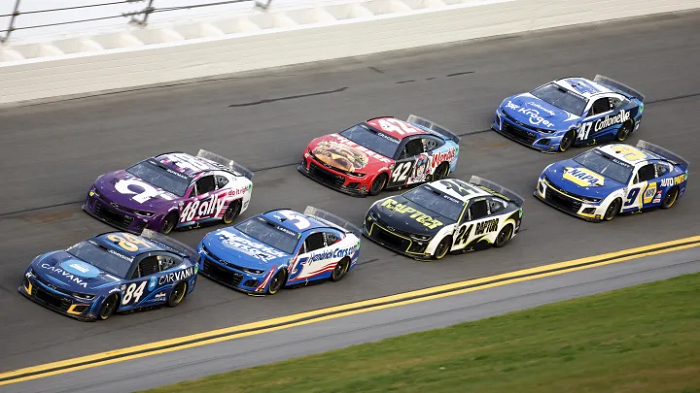
So, just how fast can a NASCAR cargo be? While top speeds can vary depending on factors such as track layout, race conditions, and aerodynamic setup, NASCAR cars are capable of reaching blistering speeds of over 200 miles per hour (mph) on the fastest tracks.
The Need for Speedways:
Superspeedways like Daytona International Speedway and Talladega Superspeedway are the battlegrounds where NASCAR cars unleash their full fury. With long straightaways and high-banked turns, these tracks provide the ideal canvas for drivers to push the limits of speed.
Drafting: The Need for Strategy
Drafting is a critical strategy employed by NASCAR drivers to gain an aerodynamic advantage and increase their speed. By tucking in behind another car, drivers can reduce air resistance and slingshot past their competitors with breathtaking speed.
The Need for Safety:
While speed is undeniably exhilarating, it also comes with inherent risks. NASCAR has made significant strides in enhancing safety measures to protect drivers in the event of high-speed crashes. From reinforced roll cages to impact-absorbing barriers, every precaution is taken to ensure the safety of drivers and spectators alike.
Top Speeds Unleashed:
The top speeds achieved in NASCAR vary depending on a multitude of factors, including track configuration, aerodynamics, engine power, and even weather conditions. However, in ideal circumstances, these machines can reach speeds upwards of 200 miles per hour (mph) on the fastest tracks.
Tracks like Daytona International Speedway and Talladega Superspeedway are renowned for their high-speed racing, with drivers pushing their cars to the limit on the expansive oval layouts. On these tracks, NASCAR’s finest unleash the full potential of their machines, hurtling down the straightaways at breathtaking speeds that blur the line between exhilaration and insanity.
Technology Behind the Speed
Achieving such mind-bending speeds requires more than just raw power; it demands precision engineering and cutting-edge technology. NASCAR race cars are meticulously crafted to maximize aerodynamic efficiency, minimize drag, and optimize performance on the track.
From wind tunnel testing to advanced computer simulations, teams leave no stone unturned in their pursuit of speed. Every component, from the sleek bodywork to the finely tuned engines, is honed to perfection, ensuring that drivers have the tools they need to push the boundaries of what’s possible.
The Role of Drivers:
While technology plays a crucial role in NASCAR’s quest for speed, it’s the drivers who ultimately determine just how fast these machines can go. Behind the wheel, NASCAR drivers display unparalleled skill and bravery as they navigate the treacherous turns and high-speed straights of the racetrack.
With split-second decision-making and lightning-fast reflexes, drivers push themselves and their cars to the absolute limit, inching closer to the edge with each passing lap. It’s a delicate balance between control and chaos, where the slightest mistake can spell disaster at speeds that defy comprehension.
Safety First:
As thrilling as NASCAR racing may be, it’s essential to acknowledge the inherent risks involved in pushing the boundaries of speed. With cars hurtling around the track at breakneck speeds, safety is paramount.
Over the years, NASCAR has implemented numerous safety measures to protect drivers and spectators alike, including reinforced barriers, impact-absorbing walls, and mandatory safety equipment for drivers. These efforts have undoubtedly saved lives and ensured that NASCAR remains one of the safest forms of motorsport despite the inherent dangers.
Related Post:
Inside the Game: Understanding the Role of a Linebacker in American Football
Exploring Softball Positions: A Comprehensive Guide to Fielding
Behind the Plate: Exploring Major League Umpire Salaries
Exploring Extra Time in Soccer: A Closer Look at the Thrills Beyond 90 Minutes
In the world of NASCAR, speed is more than just a number; it’s a way of life. From the thunderous roar of engines to the adrenaline-fueled rush of racing wheel-to-wheel at 200 mph, NASCAR embodies the relentless pursuit of velocity. As technology continues to evolve and drivers push the boundaries of what’s possible, one thing remains certain: the need for speed will always be at the heart of NASCAR racing.
NASCAR’s top speeds stand as a testament to the indomitable spirit of human ingenuity and athleticism. From the thunderous roar of engines to the thrill of watching drivers push the limits of speed, NASCAR racing captivates audiences around the globe with its relentless pursuit of excellence.
As we marvel at the blistering speeds achieved on the racetrack, let us also remember the dedication, skill, and passion of the drivers who make it all possible. In the world of NASCAR, speed isn’t just a number; it’s a way of life, a relentless pursuit of greatness that continues to inspire generations of racing enthusiasts worldwide.