

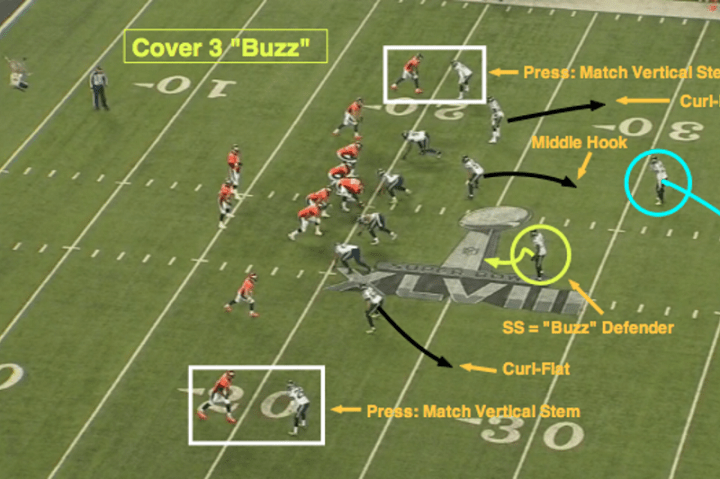
American football is a game of strategy, strength, and skill, with each player on the field contributing to the team’s overall performance. Among the key positions is the linebacker, a versatile player who holds a crucial role in both defensive and sometimes even offensive plays. In this blog post, we’ll delve deep into the responsibilities, skills, and strategies that define the linebacker position, exploring what makes these players the backbone of a formidable football defense.
The Basics of Linebacker Position:
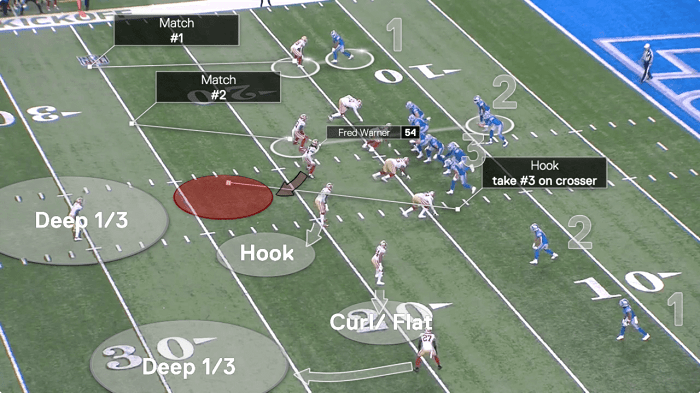
In American football, the linebacker is a defensive position tasked primarily with stopping the opposing team’s running backs and tight ends. They also play a pivotal role in pass coverage, blitzing the quarterback, and disrupting offensive plays. Linebackers are positioned behind the defensive linemen but in front of the defensive backs, giving them a central vantage point on the field.
Types of Linebackers:
There are typically three types of linebackers, each with distinct roles and responsibilities:
Middle Linebacker (MLB): The middle linebacker, often referred to as the “Mike” linebacker, is positioned in the middle of the defensive formation. This player is the defensive leader, responsible for calling plays, adjusting the defense according to the opponent’s formation, and reading the offensive play. Middle linebackers must possess exceptional football intelligence, keen observational skills, and strong communication abilities to effectively lead the defense.
Outside Linebacker (OLB): Outside linebackers line up on either side of the middle linebacker, often referred to as the “Sam” (strong side) and “Will” (weak side) linebackers. Their primary responsibilities include setting the edge against the run, rushing the passer on blitzes, and covering tight ends, running backs, or receivers in pass coverage. Outside linebackers need a combination of speed, agility, and strength to excel in their diverse roles.
Inside Linebacker (ILB): Inside linebackers, also known as “Mike” and “Will” linebackers, are versatile players who combine the skills of both middle and outside linebackers. They are adept at both stopping the run and defending against the pass, often tasked with filling gaps in the defensive line, making tackles in the open field, and providing support in pass coverage.
Responsibilities of a Linebacker:
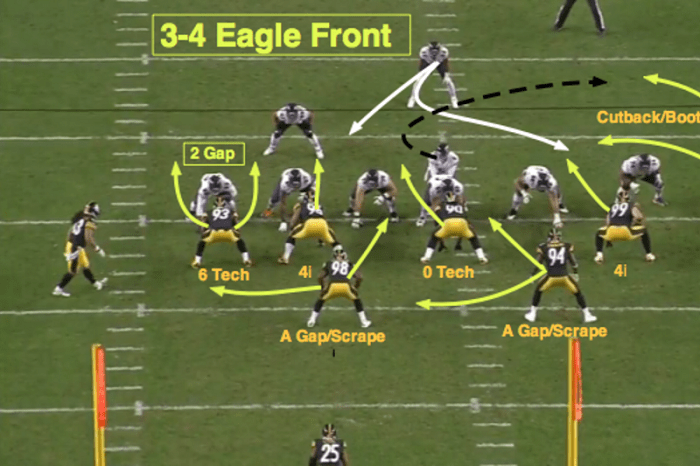
Linebackers play a multifaceted role on the football field, requiring a diverse skill set and a deep understanding of the game. Some of their primary responsibilities include:
Run Defense: Linebackers are instrumental in stopping the opposing team’s running game. They must read the offensive formation, anticipate the direction of the run, and quickly shed blocks to make tackles or disrupt the play in the backfield.
Pass Coverage: In addition to defending against the run, linebackers are responsible for covering receivers, tight ends, and running backs in pass coverage. This requires excellent awareness, agility, and the ability to read the quarterback’s intentions to break up passes or make interceptions.
Blitzing: Linebackers are often called upon to blitz the quarterback, putting pressure on the opposing team’s passing game. Whether rushing straight ahead or coming from the edge, linebackers must use speed and technique to penetrate the offensive line and disrupt the quarterback’s rhythm.
Quarterback Spying: In certain situations, linebackers may be assigned to “spy” on the opposing quarterback, shadowing their every move to prevent them from scrambling or making big plays with their legs.
Leadership and Communication: As defensive leaders, middle linebackers are responsible for calling plays, making pre-snap adjustments, and communicating assignments to their teammates. Linebackers must possess strong leadership qualities and the ability to think quickly under pressure.
Skills Required:
To excel as a linebacker in American football, players must possess a diverse skill set that combines athleticism, intelligence, and physicality. Some essential skills include:
Tackling: Linebackers must be proficient tacklers, capable of bringing down ball carriers in the open field with precision and power.
Coverage Skills: Effective pass coverage requires linebackers to excel in man-to-man coverage, zone coverage, and reading the quarterback’s eyes to anticipate throws.
Block Shedding: Linebackers must be able to shed blocks from offensive linemen and tight ends to make plays against the run or pressure the quarterback.
Football IQ: Understanding offensive formations, tendencies, and play concepts is crucial for linebackers to anticipate plays and react quickly on the field.
Physicality: Linebackers must be physically imposing players who can deliver and withstand punishing hits while maintaining their agility and speed.
Strategies and Techniques:
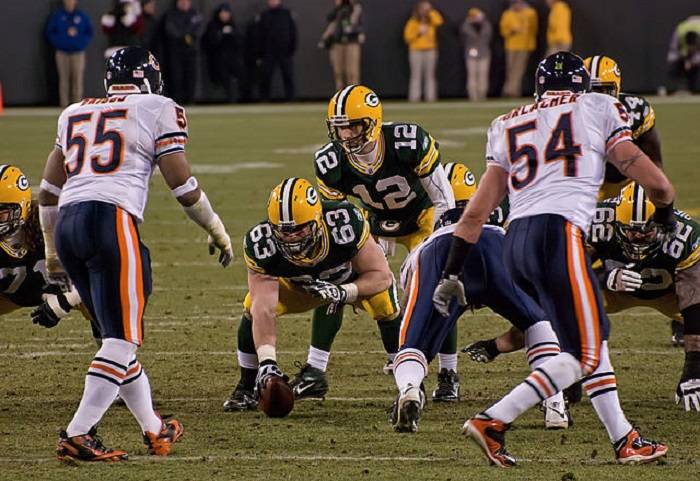
Linebackers employ various strategies and techniques to outsmart their opponents and make impactful plays on the field. Some common techniques include:
Read and React: Linebackers must quickly diagnose the play, read the movement of offensive players, and react decisively to make plays in the backfield or in coverage.
Gap Filling: Against the run, linebackers must fill gaps in the defensive line to prevent running backs from finding open lanes. This requires anticipation, timing, and the ability to take on blockers while maintaining leverage.
Pass Rush Moves: When blitzing the quarterback, linebackers use a variety of pass rush moves, including speed rushes, bull rushes, and swim moves, to beat offensive linemen and pressure the quarterback.
Zone Drops: In pass coverage, linebackers must effectively drop into their assigned zones, reading the quarterback’s eyes and reacting to receivers entering their area of responsibility.
The Anatomy of a Linebacker
Versatility in Skillset
Linebackers are the Swiss Army knives of defense, requiring a diverse skill set to excel in their multifaceted role. They must possess a rare blend of speed, strength, agility, and tactical acumen to outmaneuver their adversaries on the field.
Mastering the Art of Reading Plays
At the heart of a linebacker’s prowess lies their ability to decipher offensive schemes and anticipate plays before they unfold. Through meticulous film study and on-field instincts, linebackers become adept at reading formations, recognizing tendencies, and exploiting vulnerabilities in the opponent’s strategy.
Commanding the Line of Scrimmage
Linebackers serve as the linchpin of the defense, anchoring the front lines and rallying their teammates to execute cohesive strategies. From audibling to adjusting defensive alignments, they play a pivotal role in orchestrating the team’s response to the ever-shifting dynamics of the game.
Pursuit and Tackling Excellence
The hallmark of a formidable linebacker lies in their ability to deliver bone-jarring tackles and thwart offensive advances with unyielding ferocity. Whether blitzing the quarterback, stuffing the run, or dropping back into coverage, linebackers exhibit a relentless pursuit of the ball carrier, leaving an indelible mark on every play.
The Strategic Arsenal of a Linebacker
Pass Coverage Expertise
In today’s pass-oriented game, linebackers are tasked with neutralizing the aerial threat posed by quarterbacks and receivers. From shadowing tight ends across the middle to blanketing running backs on wheel routes, they serve as the last line of defense against explosive passing plays.
Blitzing and Quarterback Pressure
One of the most exhilarating aspects of a linebacker’s role is their ability to disrupt opposing quarterbacks with well-timed blitzes and relentless pressure off the edge. By storming through gaps, shedding blockers, and collapsing the pocket, linebackers unleash chaos upon the offense, forcing hurried throws and turnovers.
Run Defense Dominance
In the trenches of the gridiron, linebackers emerge as stalwart defenders against the relentless onslaught of rushing attacks. With their keen sense of anticipation and bone-crushing tackles, they clog running lanes, swarm ball carriers, and assert dominance at the line of scrimmage.
The Evolution of Linebacker Play
From Traditional to Modern Prototypes
Over the decades, the archetype of the linebacker has evolved in tandem with shifting trends and innovations in offensive strategy. While traditional linebackers were prized for their brute strength and run-stuffing prowess, modern counterparts exhibit unparalleled athleticism and versatility, capable of excelling in pass coverage and blitz packages alike.
Adaptation to Spread Offenses
The rise of spread offenses has posed new challenges for linebackers, necessitating a paradigm shift in defensive tactics and personnel. In response to the proliferation of quick passes and misdirection plays, linebackers have adapted by refining their coverage skills, mastering open-field tackling techniques, and embracing hybrid roles that blur the lines between linebacker and safety.
Related Post:
Unveiling the Strategic Symphony: A Comprehensive Guide to Every Football Position
Mastering the Game: A Comprehensive Guide to Basketball Equipment
Mastering the Fundamentals: Essential Basketball Skills Every Player Should Know
How to Play Pickleball: Essential Tips and Strategies for Beginners
In American football, linebackers are the backbone of the defense, combining athleticism, intelligence, and physicality to make game-changing plays on the field. Whether stopping the run, defending against the pass, or blitzing the quarterback, linebackers play a pivotal role in shaping the outcome of each game. By mastering the responsibilities, skills, and techniques of the linebacker position, players can become indispensable assets to their teams, contributing to victories and leaving a lasting legacy on the gridiron.