


In the world of professional sports, the spotlight often shines brightest on the athletes—the ones making jaw-dropping plays and commanding multi-million dollar contracts. However, there’s another group of individuals on the field who play a crucial role in the game’s outcome yet often operate in the shadows: the umpires. In baseball, Major League umpires are the arbiters of fairness, ensuring the game is played within the rules. But just how much do these guardians of the game earn for their efforts?
The Role of a Major League Umpire:
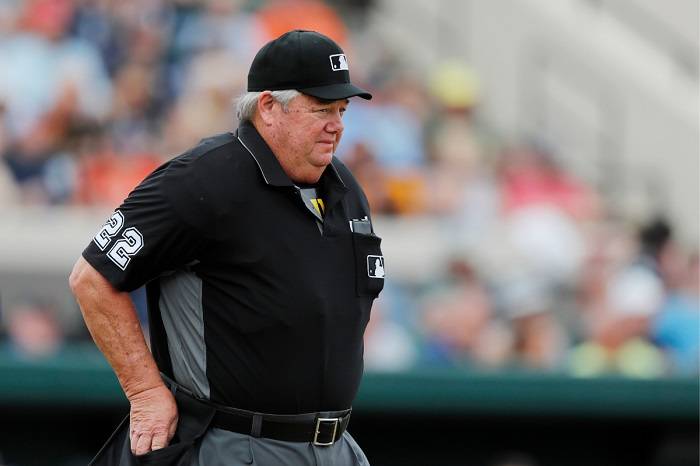
Before delving into their salaries, it’s important to understand the responsibilities of Major League Baseball (MLB) umpires. These men and women are tasked with enforcing the rules of the game, making split-second decisions on balls and strikes, fair and foul balls, and safe and outcalls. Their judgments can alter the course of a game, making them an integral part of America’s pastime.
Umpires undergo rigorous training and evaluation before reaching the Major Leagues. Many start their careers in lower-level leagues, honing their skills and gaining experience before advancing to the highest level of professional baseball. Once there, they face intense scrutiny and pressure, with every call subject to scrutiny from players, coaches, fans, and television cameras.
The Evolution of Umpire Salaries:
Historically, umpires were paid modestly compared to the players they officiated. However, as the business of baseball has grown, so too have umpire salaries. Today, Major League umpires earn respectable incomes commensurate with their experience and the demands of the job.
Salaries for MLB umpires are determined by the Major League Umpires Association (MLUA) through collective bargaining agreements with MLB. These agreements outline not only base salaries but also additional compensation, benefits, and retirement packages. Over the years, umpires have successfully negotiated for higher pay and improved working conditions, reflecting their importance to the game.
Breaking Down the Numbers:
So, just how much do Major League umpires earn? While specific figures can vary based on experience and seniority, here’s a general overview of umpire salaries in MLB:
Rookie Umpires: Entry-level umpires in the Major Leagues typically earn salaries ranging from $150,000 to $200,000 per year. These individuals are often new to the league and may still be adjusting to the pace and pressure of officiating at the highest level.
Experienced Umpires: As umpires gain more experience and establish themselves in the league, their salaries can increase significantly. Mid-career umpires with several years of experience can expect to earn between $250,000 and $350,000 annually.
Veteran Umpires: Umpires who have spent many years in the Major Leagues and have proven themselves as reliable and skilled officials can command even higher salaries. Veteran umpires with decades of experience may earn upwards of $500,000 per year or more.
In addition to base salaries, Major League umpires also receive bonuses for working postseason games, including the playoffs and World Series. These bonuses can significantly boost their annual earnings, providing extra incentive for top performance throughout the regular season.
Challenges and Rewards:
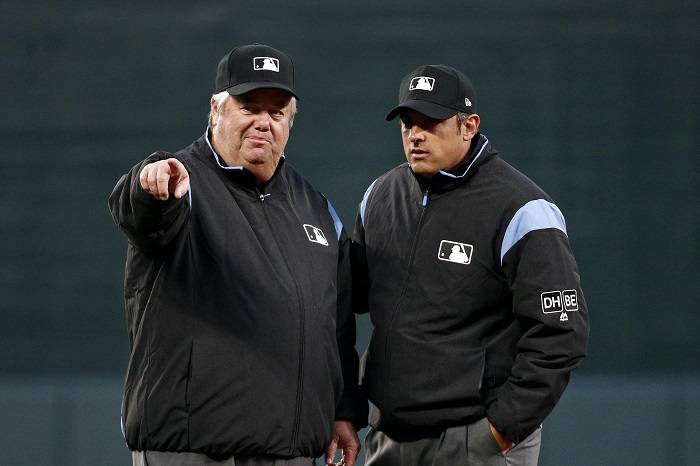
While the salaries of Major League umpires may seem substantial, it’s important to recognize the challenges they face in their line of work. Umpiring at the highest level requires not only impeccable judgment and knowledge of the rulebook but also the ability to withstand intense scrutiny and criticism from players, coaches, and fans.
Despite these challenges, many umpires find great satisfaction in their work. For true lovers of the game, there’s no greater thrill than being on the field, making crucial calls in front of thousands of spectators. And while the paychecks are certainly a nice perk, most umpires would tell you that it’s the love of baseball that keeps them coming back season after season.
Understanding the Basics:
Before we dive into the specifics, let’s grasp the fundamentals. Major League Baseball operates under a structured system for compensating its umpires. Unlike players who sign contracts with individual teams, umpires are employed by MLB itself. This distinction is crucial as it directly impacts how their salaries are determined and negotiated.
Base Salaries:
At the core of every umpire’s compensation package lies their base salary. These salaries are tiered based on experience and seniority. A rookie umpire, fresh from rigorous training in the minor leagues, earns significantly less than a seasoned veteran who has honed their craft over decades.
According to data compiled from various sources, the base salary for a rookie MLB umpire typically hovers around $150,000 to $200,000 annually. As umpires accrue more experience and climb the ranks, their salaries increase accordingly. Senior umpires, those with years of service and a proven track record, can command base salaries upwards of $450,000 to $500,000 per year.
Perks and Benefits:
Beyond the base salary, Major League umpires enjoy a plethora of perks and benefits. These may include generous healthcare plans, retirement packages, travel allowances, and even bonuses for postseason assignments. For instance, umpires selected to officiate in the playoffs and World Series receive substantial bonuses, further sweetening the deal.
Additionally, MLB umpires are part of the Major League Baseball Umpires Association (MLBUA), a union that advocates for their rights and interests. Through collective bargaining agreements (CBAs), the MLBUA negotiates various benefits and protections for its members, ensuring they are fairly compensated for their vital role in the sport.
Factors Influencing Salaries:
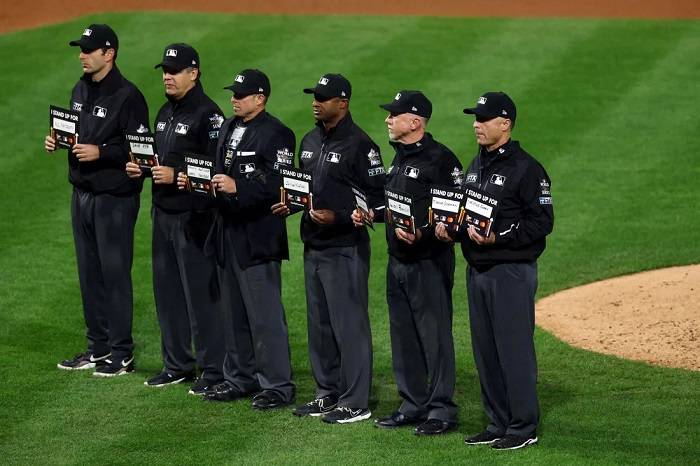
Several factors influence the salaries of Major League umpires, shaping the compensation landscape in subtle yet significant ways.
Experience: As mentioned earlier, experience plays a pivotal role in determining an umpire’s salary. Seasoned veterans with years of service command higher paychecks compared to their rookie counterparts.
Performance: Umpiring is a demanding job that requires precision, consistency, and a deep understanding of the game’s intricacies. Umpires who consistently demonstrate excellence in their craft may be rewarded with salary increases and
coveted assignments.
Assignments: The MLB season is grueling, spanning over 162 games for each team, not to mention the playoffs and World Series. Umpires who are selected for high-profile assignments, such as postseason games, receive additional compensation, enhancing their overall earnings.
Controversies and Criticisms:
Despite the allure of a career in Major League umpiring, the profession is not without its controversies and criticisms, particularly regarding salaries.
One common point of contention is the perceived discrepancy between player salaries and umpire salaries. While top-tier players in MLB can command multi-million dollar contracts, some argue that umpires, who play an equally crucial role in the game’s integrity, are comparatively underpaid.
Moreover, the subjective nature of umpiring decisions often invites scrutiny and criticism from players, coaches, and fans alike. In an era of instant replay and advanced analytics, every missed call is magnified and dissected, placing additional pressure on umpires to perform flawlessly.
Related Post:
Decoding Cricket Scoring: From Runs to Wickets, Understanding the Game’s Language
Mastering the Basics: A Comprehensive Guide to Badminton Fundamentals
Mastering the Game: A Comprehensive Guide to Volleyball Scoring
A Comprehensive Guide to Sports: Exploring the World of Athletic Endeavors
In the intricate tapestry of Major League Baseball, umpires are the unsung heroes who ensure the game flows smoothly and fairly. While their salaries may pale in comparison to those of star players, umpires play an indispensable role in upholding the integrity and spirit of the sport.
From the rookie umpire navigating their first season to the seasoned veteran presiding over a World Series showdown, each umpire contributes to the timeless drama that unfolds on the diamond. And though controversies may arise, and criticisms may abound, one thing remains certain: Major League umpires are an essential pillar of America’s pastime, deserving of recognition, respect, and fair compensation for their invaluable service.
In the grand scheme of professional sports, Major League umpires may not always receive the recognition or attention afforded to star athletes. However, their contributions to the game are immeasurable, and their salaries reflect the importance of their role on the field.
As guardians of the game, Major League umpires ensure that baseball is played fairly and according to the rules. While their salaries may vary based on experience and seniority, one thing is clear: these men and women are vital members of the baseball community, deserving of respect and appreciation for their dedication to the sport we all love.