

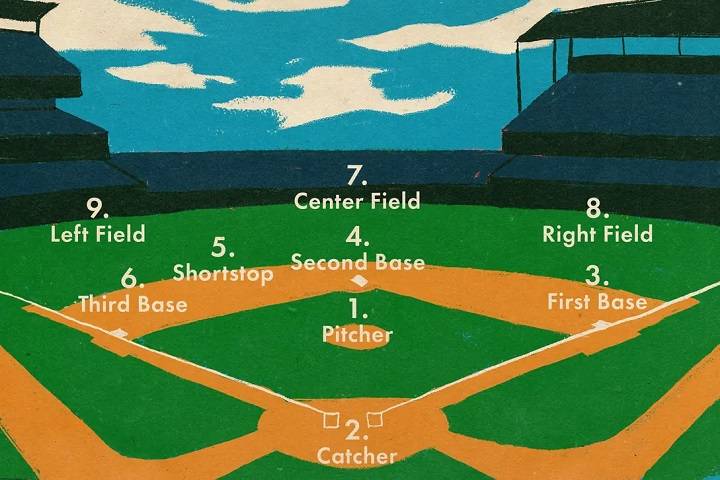
Softball is a dynamic sport that requires a blend of athleticism, strategy, and teamwork. One of the key aspects of the game is fielding, where players take up specific positions to defend against the opposing team’s offense. Understanding each position and its role is crucial for players to excel on the field. In this guide, we’ll delve into the various softball positions, their responsibilities, and the skills required to thrive in each role.
The Pitcher:
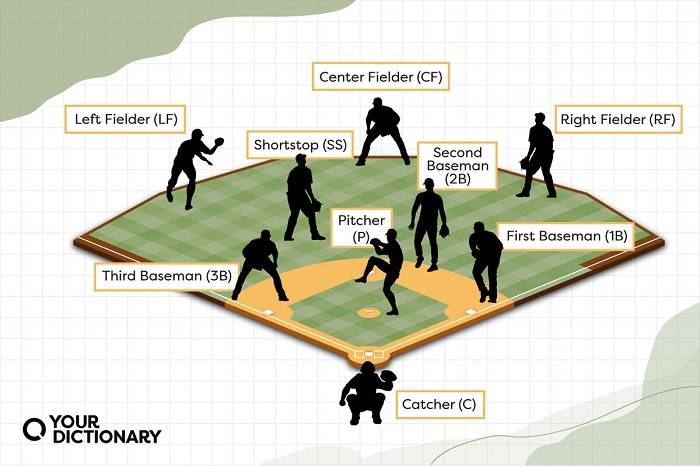
The pitcher is arguably the most crucial position on the softball field. Positioned in the center of the diamond, the pitcher delivers the ball to the batter with precision and speed. Their primary objective is to throw strikes, keeping the opposing hitters off balance and inducing ground balls or strikeouts. Responsibilities:
Delivering pitches with accuracy and velocity.
Mixing up pitches to keep hitters guessing.
Fielding bunts and ground balls hit back to the mound.
Communicating with the catcher to call pitches and strategize.
Skills Required:
Strong throwing arm.
Mental toughness and focus.
Ability to control different pitches (fastball, changeup, curveball, etc.).
Quick reflexes to field balls hit up the middle.
The Catcher:
Positioned behind home plate, the catcher plays a pivotal role in both defense and offense. They are responsible for receiving pitches from the pitcher, blocking errant pitches, and throwing out baserunners attempting to steal. Responsibilities:
Receiving pitches and framing them to influence umpire calls.
Blocking pitches in the dirt to prevent runners from advancing.
Throwing out baserunners attempting to steal second or third base.
Providing leadership and communication to the infielders.
Skills Required:
Strong arm for accurate throws to bases.
Quick reflexes and agility to block pitches.
Leadership qualities to direct the defense.
Knowledge of opposing hitters and tendencies.
The Infield:
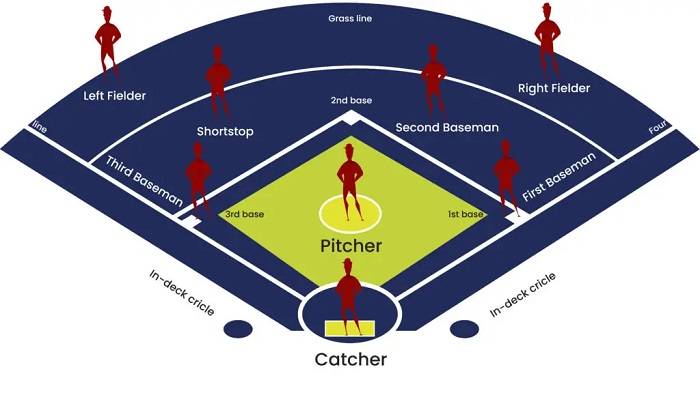
The infield consists of four positions: first base, second base, shortstop, and third base. These players form the defensive core of the team, responsible for fielding ground balls, making throws, and turning double plays. Responsibilities:
Fielding ground balls hit within their respective zones.
Making accurate throws to record outs.
Covering bases on stolen base attempts or bunts.
Communicating with teammates to execute defensive strategies.
The infield comprises four key positions: first base, second base, shortstop, and third base. Each infielder must possess a combination of agility, reflexes, and fielding prowess to secure outs and thwart opposing offenses.
First Baseman: Positioned near the bag, the first baseman acts as a defensive anchor, fielding grounders and catching throws from teammates. Their stretch and footwork skills are crucial in completing double plays and picking errant throws.
Second Baseman: Positioned between first and second base, the second baseman serves as the pivot for double plays and assists in covering the right side of the infield. Their ability to turn quick double plays and field grounders with precision is paramount.
Shortstop: Positioned between second and third base, the shortstop is often referred to as the “quarterback” of the infield. They must exhibit exceptional range, arm strength, and fielding skills to cut off ground balls and make accurate throws to first or second base.
Third Baseman: Positioned near third base, the third baseman must possess quick reflexes and strong arm strength to field grounders and make accurate throws across the diamond. Their ability to react to bunts and line drives is critical in preventing runs.
Skills Required:
Quick hands and reflexes to field sharply hit ground balls.
Strong throwing arm for accurate throws across the diamond.
Agility and footwork to cover ground and pivot for double plays.
Baseball IQ to anticipate plays and make split-second decisions.
The Outfield:
The outfield consists of three positions: left field, center field, and right field. These players patrol the outfield grass, tracking down fly balls and preventing hits from falling in for extra bases. Responsibilities:
Tracking fly balls hit into the outfield.
Making accurate throws to cut off runners or throw them out at bases.
Backing up infielders on throws and potential errors.
Positioning themselves based on the batter’s tendencies and game situation.
Completing the defensive lineup are the outfielders, stationed in left field, center field, and right field. Charged with tracking down fly balls and line drives, outfielders must possess exceptional speed, agility, and anticipation.
Left Fielder: Positioned in left field, the left fielder must cover a significant portion of the outfield, making plays on balls hit down the line and into the gap. Their ability to read the trajectory of the ball and make accurate throws to the infield is crucial.
Center Fielder: Positioned in center field, the center fielder is often considered the most athletic player on the team. They must cover vast amounts of ground, tracking down deep fly balls and line drives. Their ability to communicate with outfielders and read hitters’ tendencies is vital.
Right Fielder: Positioned in right field, the right fielder must possess a strong arm and quick reflexes to field balls hit down the line and into the corner. Their ability to make accurate throws to the infield and prevent extra-base hits is essential.
Skills Required:
Speed and agility to cover ground and track fly balls.
Strong throwing arm to make accurate throws to bases.
Depth perception and judgment to track balls in flight.
Communication with teammates to avoid collisions and cover gaps.
Related Post:
Understanding the Dynamics of Soccer: How Many Players Are on the Field?
Decoding the Roster: Understanding the Players on an American Football Team
Understanding the Length of an Inning in Baseball: Exploring Every Facet
Understanding the Dynamics of Basketball Quarters: A Comprehensive Guide
Softball positions are diverse and specialized, each requiring unique skills and responsibilities. Whether you’re a pitcher, catcher, infielder, or outfielder, mastering your role is essential for team success. By understanding the intricacies of each position and honing your skills, you can become a valuable asset on the softball field. So, grab your glove, lace up your cleats, and embrace the challenge of playing your position to the best of your abilities.
Softball positions form the foundation of a cohesive defensive unit, where each player’s skills and contributions are essential for success. By understanding the responsibilities and nuances of each position, players can elevate their performance and contribute to their team’s victories. Whether you’re a seasoned player, an aspiring coach, or a dedicated fan, embracing the dynamic world of softball positions adds depth and excitement to the game. So, next time you step onto the diamond, remember the vital role each position plays in the beautiful game of softball.