

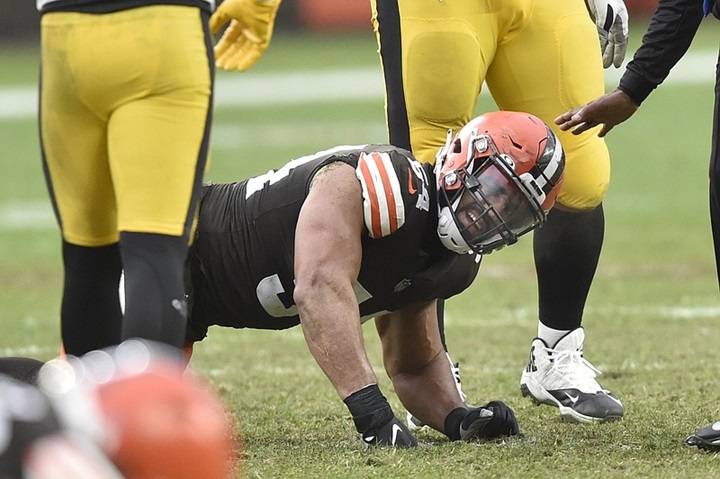
American football, with its blend of strategy, athleticism, and teamwork, captivates millions across the globe. Yet, for many newcomers, deciphering the complexity of an American football team’s roster can be as challenging as understanding the game itself. Fear not! In this comprehensive guide, we’ll break down the anatomy of an American football team, from the offensive juggernauts to the defensive stalwarts, unveiling the roles, responsibilities, and sheer numbers that comprise a team.
The Roster Breakdown:
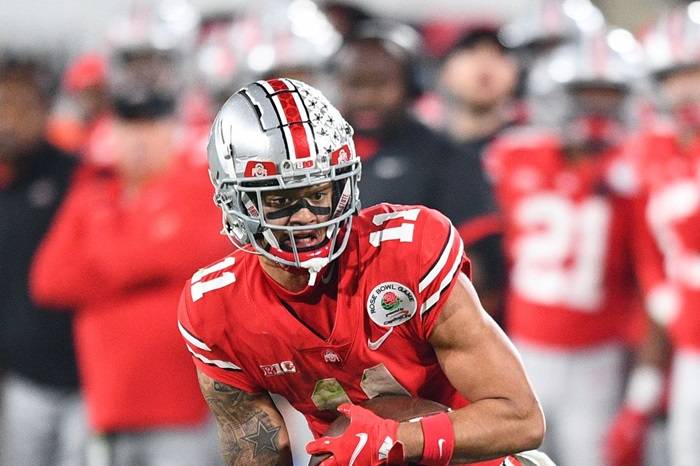
To comprehend the composition of an American football team, we must dissect it into its constituent parts: offense, defense, and special teams. Each segment plays a vital role in the team’s overall performance, contributing specialized skill sets to achieve victory on the gridiron.
The Basics: Understanding the Team Structure
American football teams typically consist of three primary units: offense, defense, and special teams. Each unit comprises players with distinct roles and responsibilities tailored to their expertise. Let’s break down the composition of each unit:
- Offense:
The offensive unit is responsible for advancing the ball towards the opponent’s end zone to score points. It consists of several key positions, including:
Quarterback (QB)
Offensive Linemen (OL)
Wide Receivers (WR)
Running Backs (RB)
Tight Ends (TE)
- Defense:
The defensive unit aims to prevent the opposing team from scoring and regain possession of the ball. Key positions on defense include:
Defensive Linemen (DL)
Linebackers (LB)
Cornerbacks (CB)
Safeties (S)
- Special Teams:
Special teams players handle kicking and punting duties, as well as kick and punt returns. Essential roles on special teams include:
Kickers (K)
Punters (P)
Kick Returners (KR)
Punt Returners (PR)
Roster Size: How Many Players on an American Football Team?
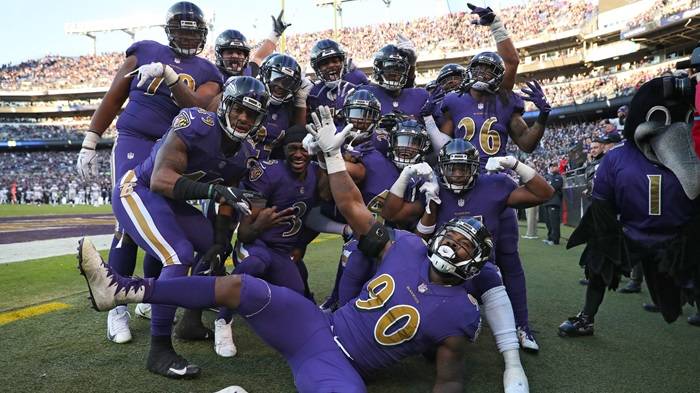
The size of a football team’s roster varies depending on the league and level of competition. In the National Football League (NFL), the roster limit is as follows:
Active Roster: During the regular season, NFL teams can have up to 53 players on their active roster.
Practice Squad: In addition to the active roster, teams can sign up to 16 players to their practice squad, providing depth and developmental opportunities.
Understanding the roster size is crucial for teams to manage player availability, depth, and strategic flexibility throughout the season.
Player Development and Recruitment:
Building a successful football team extends beyond assembling talent on the current roster. Player development and recruitment play pivotal roles in sustaining competitiveness and long-term success. Teams invest in scouting, drafting, and developing young talent through various channels, including:
NFL Draft: Held annually, the NFL Draft allows teams to select college players eligible for professional football, replenishing rosters with new talent.
Undrafted Free Agents: Players who are not selected in the NFL Draft have the opportunity to sign with teams as undrafted free agents, competing for roster spots during training camp.
Player Development Programs: Teams invest in coaching staff and resources to nurture the skills and potential of young players, maximizing their impact on the field.
Effective player development strategies contribute to roster depth, resilience against injuries, and sustained competitiveness over the long haul.
Managing Injuries and Player Transactions
Injuries are an inherent risk in football, impacting player availability and team performance. To mitigate the effects of injuries and maintain roster flexibility, teams engage in various player transactions, including:
Injured Reserve (IR): Players with significant injuries that prevent them from participating in games may be placed on injured reserve, opening up roster spots for replacements.
Free Agency: Throughout the season, teams can sign free agents to bolster their roster or address specific needs arising from injuries or performance issues.
Trades: Teams can trade players with other teams to acquire talent, address weaknesses, or facilitate roster adjustments.
Effective management of injuries and player transactions requires strategic foresight and agility to navigate the dynamic nature of the NFL landscape.
Special Teams:
Special teams units handle kicking, punting, and returning kicks, playing a crucial role in field position and scoring opportunities:a. Kicker (K): Specialized in kicking field goals and extra points, kickers must possess accuracy, distance, and nerves of steel to succeed in pressure situations.
- Punter (P): Responsible for punting the ball to the opposing team on fourth down, punters aim to pin the opposing offense deep in their territory, forcing them to cover a long distance to score.
- Long Snapper (LS): Often overlooked but essential for clean and accurate snaps on punts, field goals, and extra points. Long snappers must deliver consistent snaps under pressure.
- Return Specialists: Players tasked with returning kickoffs and punts, using their speed and agility to evade tacklers and gain positive yardage for their team.
Total Number of Players:
Now that we’ve examined the various positions on an American football team, let’s tally up the total number of players typically found on a roster:
Offense:
Quarterbacks: 1-3
Offensive Linemen: 5
Running Backs: 3-5
Wide Receivers: 4-6
Tight Ends: 2-4
Fullbacks: 1-2
Total Offensive Players: Approximately 16-25
Defense:
Defensive Linemen: 4-5
Linebackers: 3-5
Cornerbacks: 4-6
Safeties: 2-4
Total Defensive Players: Approximately 13-20
Special Teams:
Kickers: 1
Punters: 1
Long Snapper: 1
Return Specialists: Varies
Total Special Teams Players: Approximately 3-4
Related Post:
How to Play Pickleball: Essential Tips and Strategies for Beginners
The Favorites to Win Euro 2024 Based on Bookmakers’ Odds
Who are the most expensive players in Indian cricket history?
In the dynamic world of American football, success hinges not only on individual talent but also on the collective effort of a diverse array of players. From the precision passing of quarterbacks to the bone-crushing tackles of defensive linemen, each position plays a vital role in shaping the outcome of the game. By understanding the roles and responsibilities of the players on an American football team, fans can gain a deeper appreciation for the sport’s complexity and beauty. So, the next time you watch a game, take a moment to marvel at the intricate choreography unfolding on the field—a symphony of athleticism, strategy, and sheer determination.
American football team composition is a multifaceted endeavor that involves balancing talent, strategy, and resource management. From the intricacies of offensive and defensive units to the nuances of player development and roster management, every aspect contributes to a team’s success on and off the field. By understanding the roles, numbers, and dynamics that shape football rosters, fans can gain deeper insights into the sport they love and appreciate the complexities of team building in American football.