

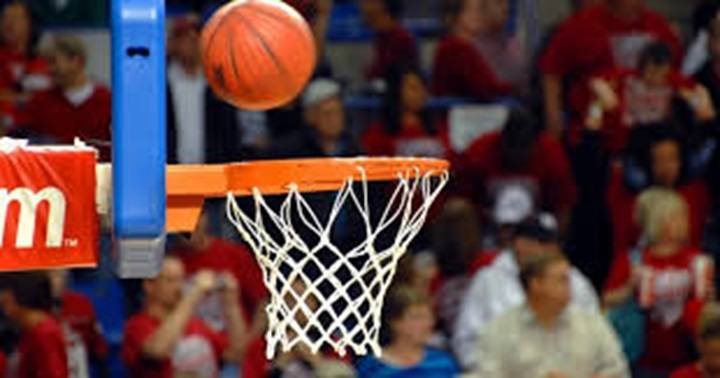
In the realm of basketball, understanding the intricacies of game time is crucial. From the adrenaline-pumping moments of a last-minute buzzer-beater to the strategic maneuvers during timeouts, every second counts. At the heart of this temporal ballet lie the quarters, the fundamental units that structure the flow of the game. In this comprehensive guide, we delve into the length of basketball quarters, uncovering the rationale behind their duration, exploring their historical evolution, and examining their impact on gameplay dynamics.
The Basics of Basketball Quarters:
Basketball quarters refer to the four equal segments into which a standard game is divided. Each quarter typically lasts for a set duration, providing teams with structured intervals to showcase their skills and tactics. While the exact length of quarters can vary depending on the level of play and governing body, the most common durations are as follows:
Professional Basketball (NBA, WNBA):

Quarters in professional basketball leagues typically last for 12 minutes each, resulting in a total game time of 48 minutes.
College Basketball (NCAA): In NCAA basketball, quarters were traditionally divided into two halves, each lasting 20 minutes. However, starting from the 2015-2016 season, NCAA women’s basketball adopted a four-quarter format, with each quarter lasting 10 minutes. NCAA men’s basketball, however, continues to play in two halves.
High School Basketball: High school basketball games usually consist of four quarters, with each quarter lasting 8 minutes. However, variations may exist depending on specific league regulations.
The Anatomy of Basketball Quarters
- Standard Quarters Length:
In most professional and collegiate basketball leagues, a standard game consists of four quarters. Each quarter typically lasts for 12 minutes, resulting in a total regulation game time of 48 minutes. This structure provides a balanced framework for teams to showcase their skills while maintaining an engaging pace for spectators.
- FIBA and High School Variations:
However, it’s important to note that not all basketball leagues adhere to this standard. FIBA (International Basketball Federation) games, for instance, feature slightly shorter quarters, with each lasting for 10 minutes. Similarly, high school basketball games in the United States often adopt 8-minute quarters. These variations are designed to accommodate different levels of competition and ensure that games remain competitive and accessible across diverse contexts.
- Overtime:
In the event of a tie at the end of regulation play, basketball employs an overtime period to determine the winner. Overtime periods typically last for five minutes each, providing an additional opportunity for teams to secure victory. This sudden-death format intensifies the drama of close matches and highlights the resilience and adaptability of players under pressure.
Historical Perspectives
- Origins:
The concept of dividing basketball games into quarters traces its roots back to the sport’s inception in the late 19th century. Dr. James Naismith, credited with inventing basketball in 1891, initially organized games into two 15-minute halves. Over time, this structure evolved into the four-quarter format that we recognize today.
- Evolution:
The evolution of basketball quarters reflects broader shifts in the sport’s development and cultural significance. As the game gained popularity and underwent standardization through governing bodies such as the NBA (National Basketball Association) and FIBA, the duration of quarters became more uniform, contributing to a cohesive global basketball community.
- Strategic Implications:
From a strategic standpoint, the length of quarters profoundly influences team tactics and player rotations. Coaches must carefully manage their players’ minutes to optimize performance throughout the game, balancing offensive firepower with defensive solidity. Additionally, the finite duration of quarters introduces a sense of urgency, compelling teams to capitalize on scoring opportunities while minimizing turnovers and defensive lapses.
Gameplay Dynamics

- Pace and Tempo:
The length of basketball quarters directly impacts the pace and tempo of the game. Longer quarters afford teams more time to establish rhythm and momentum, fostering extended sequences of strategic play and fluid ball movement. Conversely, shorter quarters necessitate quicker decision-making and heightened intensity, amplifying the significance of every possession.
- Fatigue Management:
As the game progresses, fatigue becomes a significant factor for players, particularly in the latter stages of each quarter. Coaches must employ strategic substitutions and timeouts to manage their players’ energy levels effectively, ensuring peak performance when it matters most. The ebb and flow of fatigue throughout the game contribute to its dynamic nature, with momentum often shifting in response to individual and collective exertion.
- Clutch Moments:
In the crucible of competition, basketball quarters often culminate in high-stakes moments of drama and tension. Whether it’s a buzzer-beating three-pointer to win the game or a crucial defensive stop to preserve a narrow lead, these clutch moments epitomize the essence of basketball’s appeal. The finite nature of quarters heightens the intensity of such moments, amplifying their impact on the outcome of the game and cementing their place in sporting lore.
Impact on Gameplay

The division of basketball games into quarters has profound implications for gameplay dynamics and strategic decision-making. Some key aspects include:
Pacing and Endurance: Players must pace themselves effectively to sustain their performance over the duration of each quarter and the entire game. Coaches often adjust their substitution patterns to maintain fresh legs on the court.
Strategic Timeouts: Each team is granted a limited number of timeouts during the game, which they can strategically deploy to regroup, discuss tactics, or disrupt the opposing team’s momentum. Timeout management becomes a critical aspect of coaching strategy, particularly in closely contested matches.
Foul Management: Players and coaches must be mindful of foul accumulation, as reaching a certain threshold can result in free throw opportunities for the opposing team. Foul management strategies may vary depending on the score, time remaining in the quarter, and individual player foul counts.
End-of-Quarter Strategies: Teams often employ specific tactics during the closing minutes of each quarter to maximize scoring opportunities or prevent the opposing team from gaining momentum. These strategies may involve running set plays, increasing defensive pressure, or holding for the last shot.
Related Post:
How to Play Pickleball: Essential Tips and Strategies for Beginners
The Favorites to Win Euro 2024 Based on Bookmakers’ Odds
Who are the most expensive players in Indian cricket history?
In the grand tapestry of basketball, quarters serve as the rhythmic heartbeat that animates the game. From their humble origins to their contemporary significance, the length of basketball quarters embodies the sport’s rich history and enduring allure. As players and fans alike immerse themselves in the drama and excitement of each quarter, they become part of a timeless tradition that transcends boundaries and unites communities around the world. So, the next time you watch a basketball game, pay close attention to the ebb and flow of the quarters, for within their finite confines lies the essence of basketball’s timeless appeal.