

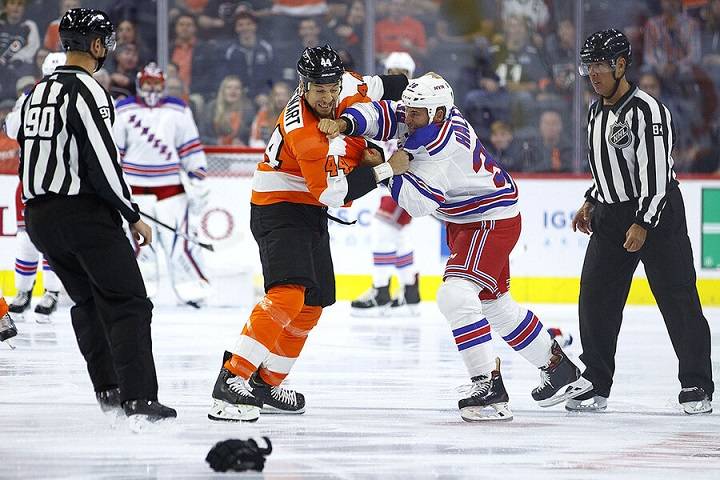
Hockey, a fast-paced and physical sport, often features a unique aspect: the occasional eruption of on-ice fisticuffs. While fighting is not the primary focus of hockey, it has become an integral and, for some, a cherished element of the game. In this comprehensive exploration, we delve into the world of hockey fighting rules, deciphering the nuances, controversies, and the evolving landscape surrounding this distinctive aspect of the sport.
Understanding the Dynamics of Hockey-Fighting
The Unwritten Code: Fighting as an Integral Element
Historical Context:

Hockey’s roots include a rough-and-tumble ethos, and fighting was historically seen as a way to police the game. The notion of players “policing” themselves on the ice, without constant intervention from officials, contributed to the acceptance of fighting in certain situations.
Enforcer Role:
Teams often had designated enforcers—players known for their physical prowess and willingness to engage in fisticuffs. The enforcer’s role extended beyond fighting; they were also tasked with protecting star players and maintaining a level of on-ice order.
Hockey Fighting Rules: The Parameters Defined
Instigating a Fight:
The NHL, the premier professional hockey league, has specific rules governing fights. An instigator penalty is assessed to a player who initiates a fight, with additional penalties for aggressors. The instigator rule aims to deter players from intentionally starting fights.
Fighting Majors:
Fighting in hockey typically results in both players involved receiving five-minute major penalties. The length of the penalties allows teams to continue playing at even strength, preventing one team from gaining a significant advantage.
Automatic Ejection:
In certain circumstances, a player may be automatically ejected from the game for fighting, mainly if the altercation occurs late in the game or after the final buzzer. Automatic ejections serve as a deterrent against prolonged or unnecessary fighting.
The Evolution of Fighting in Hockey
Changing Perceptions: From Tradition to Controversy
Shift in Cultural Attitudes:

As societal attitudes toward violence and sportsmanship evolved, so did the perception of fighting in hockey. What was once deemed a natural part of the game began to face scrutiny for its potential negative impact on player safety and the overall image of the sport.
Safety Concerns:
Growing awareness of concussions and long-term health consequences associated with head injuries prompted leagues to reevaluate the role of fighting in hockey. The link between fighting and the risk of head trauma raised questions about whether the sport could maintain its physicality while prioritizing player safety.
The Role of Fighting in Team Dynamics
Team Unity and Momentum:
Proponents of fighting argue that it serves as a means to ignite team spirit and rally players. A well-timed fight can shift the momentum of a game and energize both the team and the fans. The psychological impact of a fight is often cited as a crucial factor in team dynamics.
Deterrent Against Dirty Play:
Some believe that the threat of an impending fight acts as a deterrent against dirty or dangerous play. The presence of enforcers on a team is thought to discourage opponents from taking liberties with skilled players, contributing to a sense of on-ice justice.
Notable Moments and Controversies
Iconic Fights in Hockey History
Battles of Legends:
Hockey history is punctuated with iconic fights that have become legendary. From the fierce exchanges between Bob Probert and Tie Domi to the historic showdowns involving legendary enforcers like Dave “The Hammer” Schultz, these moments have left an indelible mark on the sport.
Embracing the Enforcer:
Certain players achieved fame not just for their on-ice skills but for their prowess in the fighting department. Enforcers like Bob Probert, Marty McSorley, and Georges Laraque became fan favorites, celebrated for their willingness to drop the gloves in defense of their teammates.
Controversies and Criticisms
Safety and Long-Term Health:
Critics argue that the physical toll of fighting, particularly repeated head trauma, poses significant risks to player health. As concerns over the long-term consequences of concussions grew, calls for stricter measures against fighting intensified.
Changing Landscape:
In recent years, there has been a perceptible shift in the approach to fighting in hockey. Leagues are placing greater emphasis on skill and speed, and some teams are opting for skilled players over traditional enforcers, signaling a departure from the established norms.
Strategies for Regulating Fighting
Rule Modifications and Enforcement
Reviewing and Penalizing Dangerous Fights:
Leagues have implemented stricter penalties for fights deemed overly aggressive or dangerous. Referees have the authority to review fights and assess additional penalties if they deem the actions to be outside the bounds of acceptable conduct.
Educational Initiatives:
Promoting player safety through education has become a priority. Players are educated on the risks associated with fighting, and coaches emphasize alternative means of contributing to team success, such as disciplined play and skill development.
Player Safety and Medical Protocols
Concussion Protocols:
The recognition of the link between fighting and concussions has led to the implementation of stringent concussion protocols. Players involved in fights are subject to thorough medical evaluations to ensure their safety and well-being.
Support Systems:
Leagues have established support systems for players dealing with the physical and mental toll of fighting. Counseling services and resources for coping with injuries are provided to ensure that players have access to comprehensive support.
The Future of Fighting in Hockey
Balancing Tradition and Modernization
Preserving Tradition:
For some, fighting remains an integral part of the sport’s tradition, adding a layer of excitement and emotion. Preserving this aspect of hockey is seen as essential to maintaining the unique character of the game.
Embracing Change:
Conversely, proponents of change argue that hockey can evolve to prioritize skill, speed, and sportsmanship while minimizing the potential risks associated with fighting. Striking a balance between tradition and modernization is crucial for the long-term sustainability of the sport.
Fan Perspectives and Expectations
Diverse Fan Opinions:
Fans hold diverse opinions on fighting in hockey. While some cherish the physicality and intensity it brings to the game, others prioritize player safety and advocate for measures to minimize or eliminate fighting. Understanding and navigating these varied perspectives is essential for shaping the future of the sport.
Impact on Viewer Engagement:
The role of fighting in viewer engagement cannot be overlooked. While some fans are drawn to the excitement of physical confrontations, others may be deterred by concerns over player safety. Striking a balance that appeals to a broad spectrum of fans is a key consideration.
Related Post:
Exploring the Sporting Landscape: Unveiling the Diversity of Sports
Decoding the Dynamics: Unveiling the Duration of an Inning in Baseball
Deciphering the Dynamics: Unraveling Every Football Position
In the ever-evolving landscape of hockey, the question of fighting remains a polarizing and complex issue. As the sport grapples with the need to adapt to changing societal norms and prioritize player safety, finding a delicate balance that respects tradition while embracing modernization is paramount.
Whether fighting remains a steadfast tradition or undergoes further transformation, its presence on the ice will continue to shape the identity of hockey. As the sport navigates the challenges of the present and charts a course for the future, the rules and perceptions surrounding hockey fighting will play a crucial role in defining the spirit and essence of the game.