

Baseball is a sport of precision and strategy. Every position on the field plays a pivotal role in the team’s success, and none more so than the first baseman. As a critical component of the infield defense, the first baseman needs to master positioning and situational awareness to ensure that they excel at their job. In this comprehensive guide, we’ll delve into the art of first baseman positioning, covering fundamental techniques, defensive strategies, and situational awareness.
The Role of the First Baseman
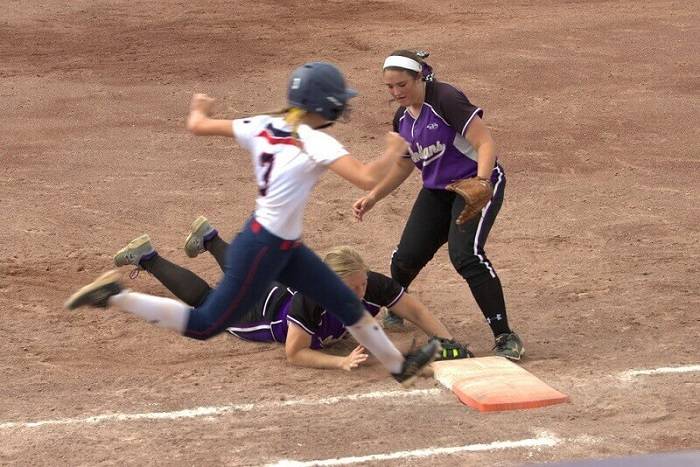
The first baseman is responsible for fielding ground balls and making catches from other infielders to secure outs. Moreover, the first baseman also plays a vital role in cutting down baserunners and serving as a relay point for throws from the outfield. The first baseman’s effectiveness depends significantly on their ability to position themselves optimally in every possible game situation.
Stance and Setup
A first baseman must begin each play in a ready position to field grounders or catch a throw. Here are some key components of an effective setup:
Feet Position: Keep your feet shoulder-width apart, with your knees slightly bent and weight balanced on the balls of your feet. This stance allows you to react quickly in any direction.
Glove Position: Hold your glove at a comfortable height and keep your throwing hand nearby for quick transitions.
Eye Contact: Maintain eye contact with the pitcher while keeping your head on a swivel to monitor baserunners.
Athletic Posture: Stay low and maintain a wide base to improve balance and agility.
Defensive Strategies
Normal Positioning:
In a standard defensive setup, position yourself close to the first base bag but off the line. This stance provides a good angle to field grounders while still being close enough to reach the bag for force-outs.
Holding a Runner:
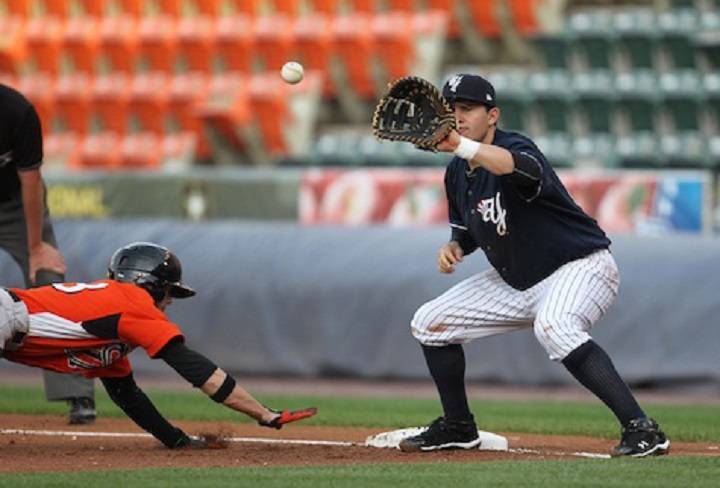
When there is a runner on first, move closer to the base, slightly straddling the bag to be ready to apply a tag or receive a pick-off throw. However, maintain enough distance to ensure quick movement towards the ground balls hit to your right.
Cutting Off Throws:
For relay throws from the outfield, position yourself at an angle to receive the throw from the fielder while keeping your eye on home plate or another target.
Bunt Defense:
In bunt situations, charge forward aggressively to field the ball and look for the force out at second base before throwing to first if necessary.
Double Play Depth:
Move back a few steps and closer to the baseline when expecting a double play. This setup allows for quicker pivots to second base while also providing a good angle for throws to first.
Shift Positioning:
With the rise of advanced data analytics in baseball, defensive shifts have become more common. The first baseman may shift closer to the baseline or deeper into the right field, depending on the hitter’s tendencies.
Situational Awareness
Reading the Batter:
Observe the batter’s swing and tendencies to anticipate the direction of a ground ball. Is the batter more likely to pull or push the ball? Position yourself accordingly.
Understanding Pitch Location:
Communicate with the catcher and pitcher to understand where the pitch will be located. An inside pitch may lead to a pulled grounder, while an outside pitch could be driven the opposite way.
Counting Outs and Baserunners:
Keep track of the outs and know which bases are occupied. This information will help you determine whether a force play or a tag-out is required.
Game Situation:
Consider the score, inning, and game strategy. For instance, if your team is leading in a late inning, prioritize securing the out at first base over attempting to throw out a runner heading to the second.
Footwork Fundamentals
Approaching Ground Balls:
Step toward ground balls with your glove-side foot first to create a good angle for fielding.
Receiving Throws:
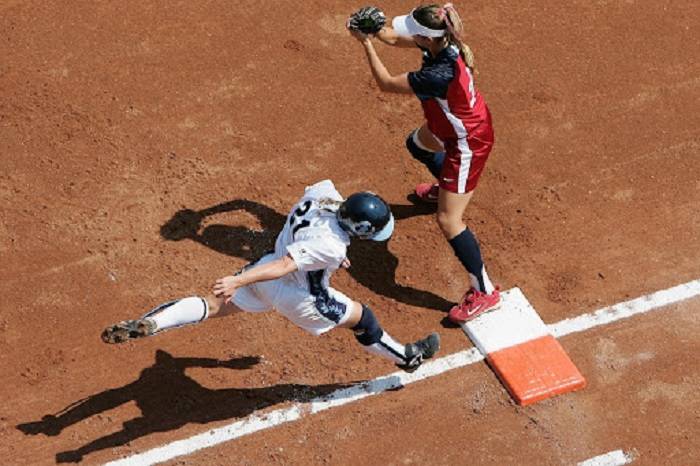
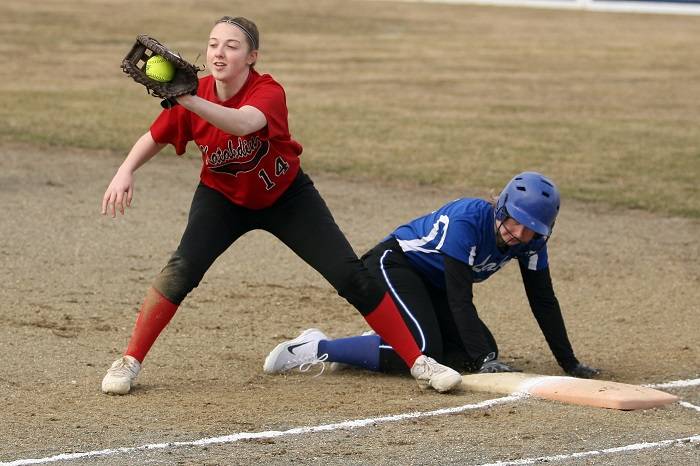
Place your right foot on the edge of the base and extend your left foot in the direction of the throw. Time your stretch carefully, as stretching too early could lead to poor balance or missed catches.
Turning Double Plays:
After catching a throw at first, pivot your body to make a strong, accurate throw to second base.
Communication and Leadership
The first baseman often acts as a leader in the infield, facilitating communication with teammates and relaying information. Key communication duties include:
Calling for Pop Flies:
If a popup is hit near the first base area, loudly call for the ball to avoid collisions.
Directing Teammates:
Guide other infielders on positioning and communicate signs with the pitcher to ensure defensive alignment.
Outfield Relay:
Help direct cutoff throws from the outfield to the proper base.
Handling Different Throws
Not all throws are perfectly accurate, and the first baseman must be ready to handle any situation:
Short-Hopped Throws:
Position your glove low to the ground and cushion the ball by moving your glove back slightly to absorb impact.
Wide Throws:
Stretch fully and keep your foot on the base to secure outs. If necessary, leave the bag to prevent the ball from getting past you.
High Throws:
Leap to catch high throws while landing quickly to make a tag or return to the bag.
Equipment Tips
First basemen often use specialized gloves to aid in fielding and catching throws:
First Baseman’s Mitt:
A first baseman’s mitt has a deeper pocket and wider design than standard infielder gloves, making it easier to catch hard-hit balls and receive errant throws.
Protective Gear:
Consider wearing an elbow guard to shield against line drives and sliding baserunners.
Related Post:
Understanding the Balk in Baseball: A Comprehensive Guide
The Art and Science of the Strike Zone in Baseball
Mastering the Shortstop Position: The Ultimate Guide for Aspiring Baseball Players
The Ultimate Guide to Throwing a Baseball
Mastering the art of first baseman positioning requires a blend of athleticism, intelligence, and leadership. By understanding the fundamentals, honing defensive strategies, and staying situationally aware, a first baseman can become an invaluable asset on the diamond. Remember to continuously refine your skills through practice, study advanced data analytics to better anticipate hitters’ tendencies, and communicate effectively with your teammates to execute defensive plays flawlessly.
The first baseman is often the last line of defense before a runner scores, so every ounce of effort matters. With dedication and practice, anyone can excel in this challenging yet rewarding position, becoming a cornerstone of their team’s defense.