

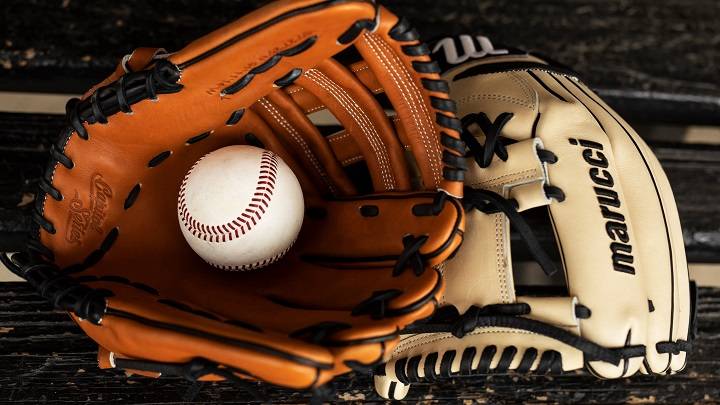
A catcher’s glove, also known as a mitt, is a catcher’s most important tool. Breaking in a new catcher’s glove is crucial to help it perform at its best while making it comfortable for the player. The process requires time and patience, but it’s worth it to ensure the glove properly protects your hand and gives you the grip and flexibility you need. In this guide, we’ll cover everything you need to know about breaking in a catcher’s glove.
Why Breaking in a Catcher’s Glove is Important

Catcher’s gloves come out of the box stiff and need to be molded to fit your hand shape and playing style. Breaking in your glove will:
Improve Flexibility: A well-broken glove is more flexible, making it easier to catch pitches quickly and accurately.
Enhance Fit: Personalizing the glove to your hand ensures it feels like an extension of your arm.
Increase Comfort: A glove that’s molded to your hand will be much more comfortable during long practices and games.
Provide Better Protection: A properly broken-in glove absorbs the impact better, reducing the stress on your hand.
Steps to Break in a Catcher’s Glove
Plan Ahead
Breaking in a catcher’s glove can take time, so make sure you start the process weeks before the start of your season. Rushing the process can lead to an uneven break-in, potentially damaging the glove or affecting your performance.
Find the Right Tools
For a consistent break-in, you will need the following tools:
Glove Mallet: Helps soften and shape the glove by simulating catching pitches.
Glove Conditioner/Oil: Maintains leather quality and keeps it from cracking.
Baseball/Softball: A ball helps to form the pocket of the glove.
Elastic Bands: Secure the ball inside the glove for molding.
Apply Glove Conditioner or Oil
A good conditioner or oil is crucial in maintaining your glove’s leather quality. Here’s how to apply it:
Apply a small amount to a soft cloth or your fingers.
Rub it evenly over the entire glove, paying extra attention to the pocket and fingers.
Let the glove sit for a few hours to absorb the conditioner fully.
Remove any excess oil with a clean cloth.
Work the Glove with a Mallet
Using a mallet helps simulate the impact of catching pitches and aids in creating a good pocket:
Place a baseball or softball in the pocket.
Fold the glove around the ball and secure it with elastic bands.
Use the mallet to repeatedly strike the pocket and fingers. Focus on areas where you want to improve flexibility.
Pay attention to the hinges (creases between the thumb and fingers), as these areas need the most flexibility.
Repeat this process for 10-15 minutes every day.
Practice Catching
The best way to break in a glove is to use it in practice. Catching balls repeatedly helps create a natural pocket while molding the glove to your hand:
Play catch with a partner or practice receiving pitches from a pitching machine.
Alternate between different pitching styles to simulate in-game situations.
Aim to practice for at least 30 minutes daily until the glove feels right.
Maintain the Glove
After the initial break-in, maintenance is crucial:
Cleaning: Wipe down the glove after each practice session or game to remove dirt and sweat.
Conditioning: Apply glove conditioner or oil occasionally to keep the leather soft.
Storage: Store the glove in a cool, dry place. Don’t leave it in your car or expose it to extreme heat.
Personalizing the Glove
To make the glove uniquely yours:
Adjust the Lacing: Some gloves allow you to tighten or loosen the lacing around the wrist.
Create Finger Holes: Some catchers prefer cutting small holes in the finger slots for ventilation and a better grip.
Do’s and Don’ts of Breaking in a Catcher’s Glove
Do:
Start Early: Begin breaking in your glove well before the season starts.
Be Consistent: Work on breaking it in every day for short periods.
Use Quality Products: Invest in high-quality conditioners and oils to maintain the glove.
Don’t:
Overuse Heat: Using an oven, microwave, or other heat sources can damage the leather.
Submerge in Water: Water can weaken the leather and shorten the glove’s lifespan.
Overapplied Oil: Too much oil can cause the glove to become heavy and sticky.
Common Mistakes and How to Avoid Them
Rushing the Process: Breaking in takes time. Be patient to ensure your glove is in the best shape possible.
Using Excessive Force: Be gentle when striking the glove with a mallet. Too much force can damage the leather.
Ignoring Maintenance: Even after breaking in the glove, regular cleaning and conditioning are essential.
Tips for a Successful Break-In
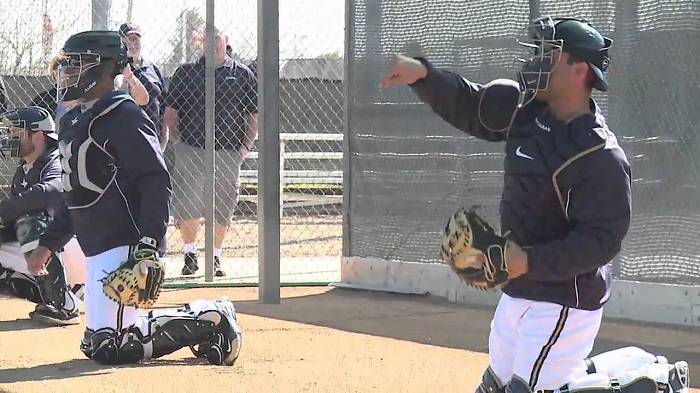
Patience: Breaking in a high-quality catcher’s glove can take weeks of regular practice. Don’t rush the process.
Moderation: Apply conditioner sparingly and avoid excessive heat or soaking that could damage the leather.
Customization: Customize the fit by adjusting wrist straps and reshaping the glove according to your hand’s needs.
Brand-Specific Instructions: Follow brand-specific instructions for best results, as different gloves may have unique requirements.
Common Mistakes to Avoid
Microwaving/Boiling: Exposing the glove to extreme heat damages the leather and could shrink or warp the glove.
Excessive Oils/Conditioners: Using too much oil or conditioner can oversaturate the glove, weakening the leather.
Overstuffing: Placing too many balls or objects inside the glove while forming the pocket can distort its shape.
Related Post:
How to Hold a Baseball Bat: A Comprehensive Guide
Mastering the Art of Hitting in Baseball: A Comprehensive Guide
The Ultimate Guide to Baseball: Understanding the Game, Players, and Strategies
A Guide to the Best Wood Bats for Baseball Enthusiasts
Breaking in a catcher’s glove is a process that requires time and dedication, but the results will be worth it. A glove that’s perfectly molded to your hand can improve your performance and make you more confident behind the plate. Follow this guide, and you’ll be on your way to creating the perfect glove for your game.
Breaking in a catcher’s glove is a rewarding process that pays off on the field. By following this guide, you’ll develop a glove that conforms perfectly to your catching style, giving you the edge you need behind the plate. Be patient, attentive, and methodical in your approach, and your glove will serve you well for seasons to come.