


In baseball, handedness plays a significant role in influencing the strategies, outcomes, and general dynamics of the game. One question that often piques the curiosity of fans and analysts alike is whether left-handed batters have an advantage over their right-handed counterparts. This article explores the potential advantages that left-handed batters may enjoy, including historical trends, physiological factors, and strategic benefits.
Understanding Left-Handed Batters

Left-handed batters, or “southpaws,” make up a smaller proportion of the general population, accounting for around 10% globally. In baseball, however, their presence is notably higher, comprising around 25% of all Major League Baseball (MLB) hitters. This discrepancy raises questions about their inherent advantages.
The Pull Factor
A critical advantage for left-handed hitters is their ability to “pull” the ball to their stronger side, often to right field. This pulling power capitalizes on the natural swing path of lefties, leading to a higher potential for extra-base hits or home runs.
Shorter Porch in Right Field: Some ballparks, like Yankee Stadium, feature shorter dimensions in right field, which further enhances left-handed batters’ power. This architectural quirk gives lefties a greater chance of homers.
The Fundamentals of Handedness in Baseball
To understand the debate, it’s important to grasp the basic mechanics of how handedness affects a player’s role and performance. Batting left-handed means standing to the right of home plate and swinging with the left-hand dominant. In contrast, a right-handed batter stands to the left of home plate and swings with the right-hand dominant.
The Historical Context
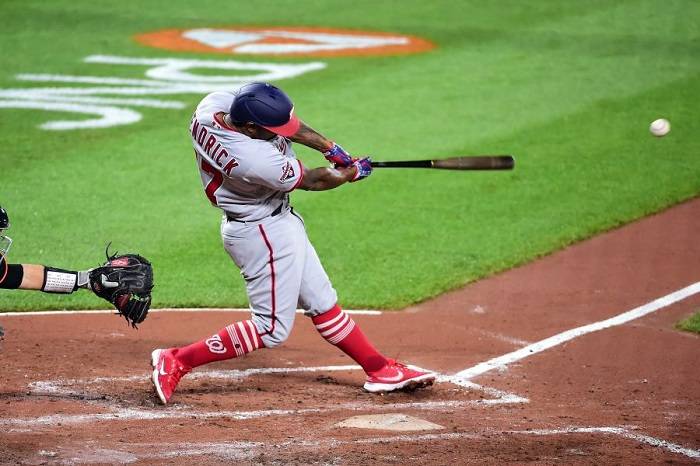
Historically, a significant portion of baseball’s most accomplished hitters were left-handed. Babe Ruth, Ted Williams, and Barry Bonds, among others, were left-handed batters who dominated the league during their careers. Even today, left-handed hitters like Bryce Harper and Juan Soto consistently rank among the top performers. Observing this pattern, many baseball experts started investigating the reasons behind this phenomenon.
Statistical Evidence
Statistical analyses often point to left-handed batters having better performance metrics against right-handed pitchers. Major League Baseball (MLB) is predominantly populated by right-handed pitchers, which gives left-handed batters a natural advantage due to the “platoon effect.” This term refers to the fact that opposite-handed matchups (lefty batter vs. righty pitcher or vice versa) often favor the batter because the ball is easier to see. A right-handed pitcher’s breaking ball will typically break toward a right-handed hitter but away from a left-handed hitter, making it more challenging for righties to hit effectively.
Physiological Considerations
In addition to the platoon advantage, there are physiological factors that may give left-handed hitters an edge:
Visual Perception: As lefties face predominantly right-handed pitchers, they have the advantage of picking up the trajectory and spin of the ball more effectively. This split-second advantage can make all the difference in a hitter’s reaction time.
Swing Mechanics: Left-handed hitters often have a more fluid swing due to their muscle memory developed through everyday activities like writing or eating. This can lead to better hand-eye coordination.
Base Running: Left-handed batters stand closer to first base, providing them with a slight head start when running to the base. This fraction of a second can significantly improve a batter’s chance of reaching first base safely on ground balls and bunts.
Strategic Implications
The advantages of left-handed hitters extend beyond individual performance metrics:
Lineup Construction: Teams value left-handed hitters to balance their lineups and prevent opponents from gaining the upper hand with pitching changes. When a lefty-righty mix is maintained, opposing managers are forced to think twice before changing pitchers.
Field Shift Manipulation: Due to historical trends, defenses often shift heavily against left-handed batters, placing infielders and outfielders on one side of the diamond. However, a well-placed bunt or opposite-field hit can exploit these shifts effectively.
Matchup Advantages: Teams with strong left-handed hitters can force opposing managers to alter their pitching plans, often compelling them to use their left-handed bullpen specialists more frequently.
Are Left-Handed Hitters Always at an Advantage?
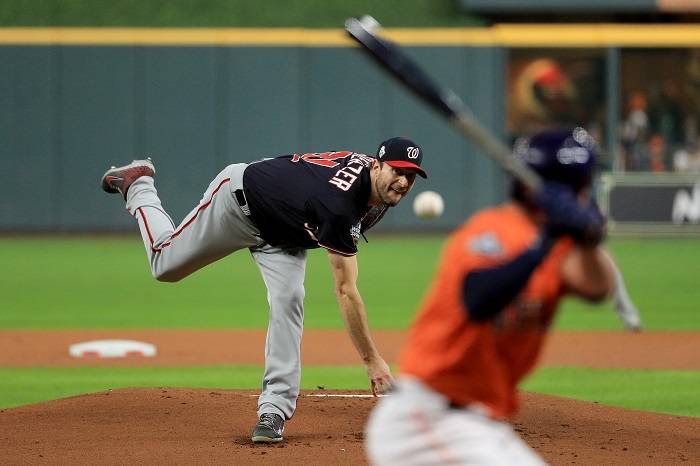
While the advantages for left-handed batters are notable, it’s important to acknowledge the challenges they face as well. Some pitchers and defenses have adapted strategies specifically designed to neutralize these batters:
Lefty Specialists: Many teams employ left-handed relief pitchers who specialize in facing left-handed batters, utilizing pitches that are more challenging for lefties to handle.
Shift Adjustments: Defenses increasingly use infield shifts to counter the pull tendencies of left-handed hitters. As a result, many lefties find it harder to get ground ball hits through the infield.
Lefty Pitchers: Though less common than right-handed pitchers, lefty pitchers often fare better against lefty batters. This phenomenon is due to the same platoon effect that favors lefty hitters against righty pitchers.
Breaking Balls: Left-handed hitters often struggle with breaking balls thrown by lefty pitchers because of the inward break of these pitches.
Related Post:
The Comprehensive Guide to Baseball Cuts and Swings
The Strategic Role of the Cleanup Hitter: Understanding the Fourth Slot in a
Mastering the 4-Seam Fastball Grip: The Ultimate Guide for Pitchers
Choosing the Perfect Bat Size for a 7-Year-Old: A Comprehensive Guide
In conclusion, left-handed batters generally have a statistical advantage due to their favorable matchups against the league’s predominantly right-handed pitchers and their advantageous stance at the plate. However, it is important to recognize that the game of baseball has evolved, and opponents have developed counter-strategies to mitigate these advantages. The combination of these factors creates a dynamic balance between left- and right-handed batters that adds depth to the strategy and excitement of the sport.
Ultimately, while handedness can play a significant role in baseball performance, it’s the player’s skill, adaptability, and strategic awareness that determines their success on the field. Whether left-handed or right-handed, every batter has a unique set of challenges and advantages that make the game of baseball an endlessly fascinating sport.
So, do left-handed batters have an advantage in baseball? The evidence points to a resounding yes. From the platoon advantage to strategic positioning and a shorter distance to first base, lefties enjoy several key benefits. While strategic pitching and defensive shifts can counter some of these strengths, left-handed hitters remain vital and influential in baseball. They bring a distinctive flair to the game and continue to carve out their legacy among the pantheon of baseball greats. Whether you’re rooting for them or against them, left-handed batters will continue to be a significant force in the sport.