


In the game of baseball, the catcher plays a pivotal role, both defensively and strategically. Positioned directly behind home plate, the catcher commands the field, communicating with the pitcher, guiding defensive plays, and thwarting potential steals. At the heart of a catcher’s prowess lies their stance. The catcher stance is crucial for successful pitching signals, framing pitches, blocking balls in the dirt, and ensuring accurate throws. In this comprehensive guide, we explore the different types of stances, how each serves unique situations, and the techniques catchers use to excel.
The Role of the Catcher Stance
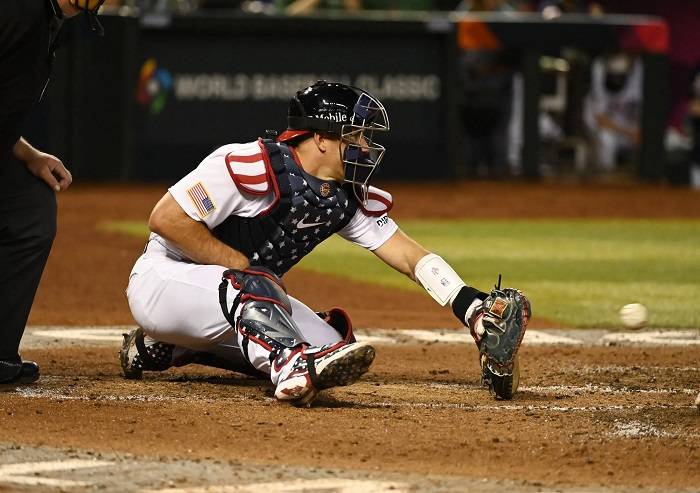
Catcher stances are designed to offer optimal positioning, provide better visibility, and enable efficient movement for various game scenarios. A catcher’s stance serves multiple purposes, such as:
Offering a target for the pitcher.
Allowing quick adjustments for receiving, blocking, or throwing.
Minimizing strain and injury over extended play.
Enhancing visibility of the field.
The Importance of Catcher Stances
Before diving into specific stances, it’s essential to understand why these positions are crucial for catchers. The catcher is responsible for:
Receiving Pitches: Framing pitches effectively can persuade umpires to call borderline pitches strikes.
Blocking Balls: Preventing wild pitches from advancing runners requires a low, flexible stance.
Throwing: Quick, accurate throws are critical in thwarting base stealers and executing plays.
Directing the Game: The catcher calls pitches and positions defensive players based on their view of the field.
Each stance has a particular purpose, contributing to these fundamental duties.
Primary and Secondary Stances
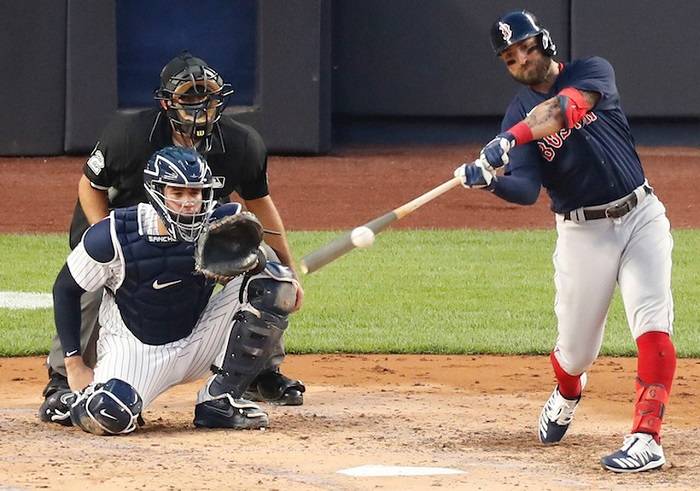
Catchers typically adopt two primary stances during a game: the primary stance and the secondary stance.
Primary Stance
The primary stance is used with no runners on base or when the count favors the pitcher. Its goals include giving a clear target to the pitcher and framing pitches effectively. Key elements
Feet Placement: Feet positioned shoulder-width apart, toes pointed forward or slightly outward.
Knees Bent: Knees bend slightly, ensuring the thighs are parallel to the ground.
Back: Lean forward with a straight back to create a steady target.
Glove Position: The glove is at the center of the strike zone, presenting a low target to the pitcher.
Advantages:
Comfortable for extended periods.
Helps with framing pitches.
Allows catchers to be prepared for blocking or throwing.
Disadvantages:
Less mobility for quick throws.
Limited ability to block pitches in the dirt.
Secondary Stance
The secondary stance is used with runners on base or when the count favors the batter. Here, the catcher must be ready to block pitches in the dirt and throw quickly to prevent base stealing. Key elements:
Feet Spread: Feet positioned wider apart than in the primary stance, with toes pointing outward.
Knees Bent: Knees bent further, keeping the thighs nearly parallel to the ground for a lower stance.
Back Lean: Back remains forward-leaning but with more flexibility for movement.
Glove Position: The glove remains at the strike zone, but the hand and mitt are positioned lower.
Advantages:
Offers more mobility for quick throws.
Helps block pitches effectively.
Disadvantages:
Requires greater leg strength and conditioning.
More fatiguing over long periods.
Traditional vs. One-Knee Stance
In recent years, catchers have experimented with variations on the primary and secondary stances to maximize comfort, mobility, and performance. Two such variations are the traditional stance and the one-knee stance.
Traditional Stance
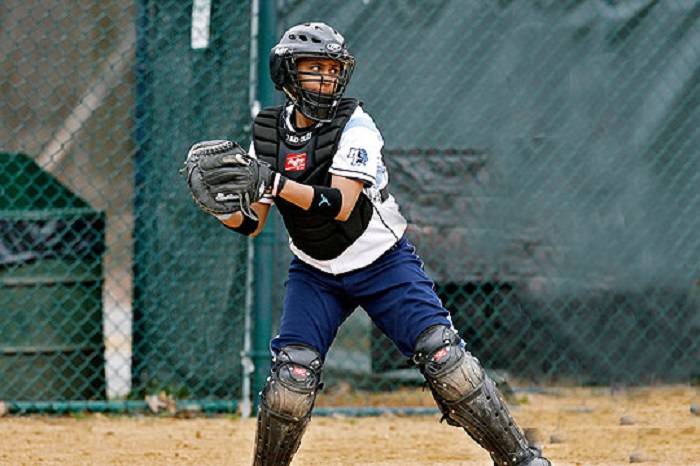
The traditional stance is characterized by bending both knees in a crouched position. This stance:
Pros:
Offers optimal balance and stability.
Suitable for framing and blocking pitches effectively.
Cons:
Fatiguing over long periods.
Limited lateral movement.
One-Knee Stance
The one-knee stance has one knee on the ground while the other leg remains bent. This stance is gaining popularity because:
Pros:
Less stress on the knees and thighs.
Improves framing and blocking for low pitches.
Offers a stable base with the ability to receive low pitches.
Cons:
Reduces mobility and the ability to move laterally.
Less effective at blocking wild pitches.
How to Choose a Stance
Selecting a stance requires consideration of various factors:
Age and Skill Level: Younger players should prioritize comfort and protection, starting with the primary stance.
Pitcher Preferences: Working with the pitcher and their delivery style is essential to ensure that the target is visible and easy to follow.
In-Game Situation: Understand when to switch between the primary and secondary stances.
Developing Catcher Stances
To refine stances and improve efficiency, catchers can follow these training guidelines:
Strengthening Exercises: Build leg, back, and core strength for effective crouching and throwing.
Mobility Drills: Focus on lateral movements, blocking practice, and quick transitions.
Frame Practice: Work on glove positioning and framing pitches.
Video Analysis: Review in-game footage to identify improvement areas.
Refining Your Stance
Perfecting your stance requires consistent practice and adaptability. Here are a few tips to refine each stance:
Practice Balance: Spend time mastering balance in different stances to ensure a comfortable posture and swift response.
Foot Placement: Adjust foot placement to accommodate body size, flexibility, and preferences while ensuring agility.
Flexibility Training: Flexibility training aids in holding low stances comfortably, reducing fatigue, and enhancing responsiveness.
Drill Blocking Techniques: Work with coaches or practice drills to handle low or wild pitches efficiently.
Common Mistakes to Avoid
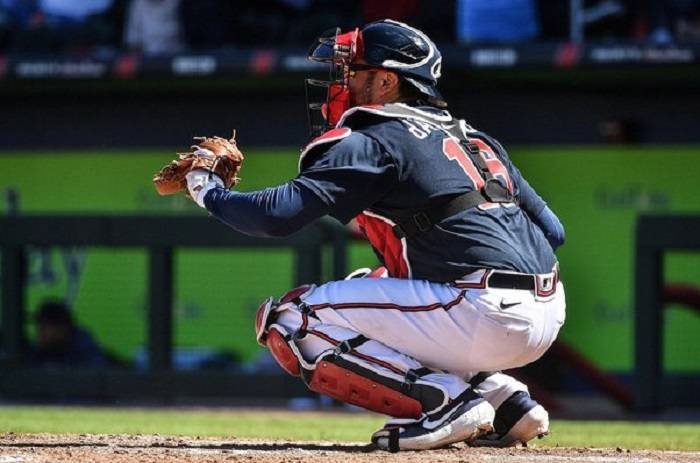
Catchers often struggle with consistency in their stances, leading to vulnerabilities like poor receiving and inaccurate throws. Here are a few mistakes to avoid:
Lack of Target Clarity: Ensure your glove is positioned clearly and consistently as a target for the pitcher.
Overexertion: Avoid holding a tense, rigid stance that could lead to quicker fatigue and missed opportunities.
Inadequate Transitioning: Practice smooth transitioning between the primary and secondary stances to be prepared for any situation.
Related Post:
The Ultimate Guide to the Best Catcher’s Mitts
Master Your Game with the Best Baseball Training Aids
Mastering the Art of the Baseball Slide: Techniques and Tips
The Ultimate Guide to Baseball: An Insider’s Perspective
Catcher stances form the cornerstone of a catcher’s performance. By understanding and practicing the primary and secondary stances while adapting to the modern one-knee variation, catchers can find their optimal balance of framing, blocking, and throwing. With dedication, strength training, and an adaptive mindset, catchers can lead their team defensively and strategically from behind the plate.
A well-executed stance can significantly improve a catcher’s effectiveness on the field. Whether you’re signaling pitches, receiving throws, or preparing for potential steals, mastering different stances can elevate your gameplay. Work consistently on balance, flexibility, and situational awareness to ensure each stance supports you through various in-game challenges. By understanding and mastering these techniques, you’ll be able to develop confidence and skill as a catcher, making you a crucial asset to your team.
Further Reading and Resources:
Explore videos and tutorials to see professional catchers demonstrate each stance.
Join baseball clinics or catcher camps to refine your technique and gain feedback.
Consult catching equipment reviews for gloves and guards best suited for effective stances.