

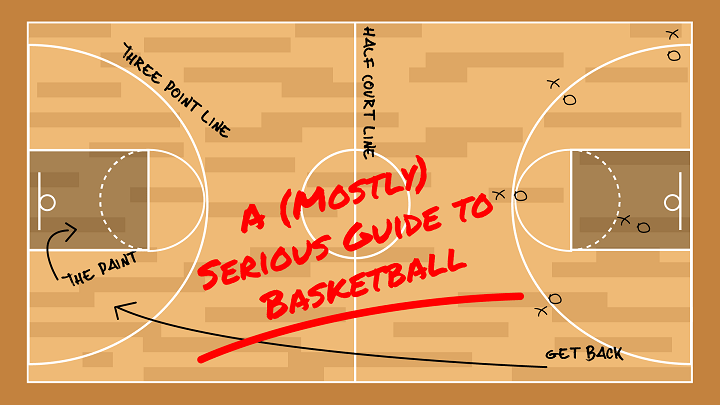
In the world of sports, basketball stands out not only for its athleticism but also for its finesse and strategic depth. It’s a game that combines raw physicality with intricate tactics, where every movement on the court can be likened to strokes on a canvas, painting a picture of teamwork, skill, and determination. In this blog post, we’ll delve into the artistry of basketball, exploring its history, the techniques employed by players, and the strategic maneuvers that make it a captivating spectacle.
The Canvas of History
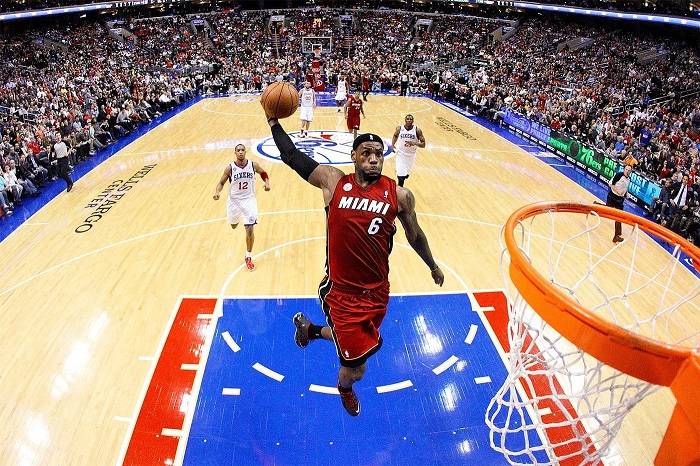
Basketball, like any art form, has a rich history that spans over a century. It was invented in 1891 by Dr. James Naismith, a Canadian physical education instructor, as a way to keep his students active during the winter months. The game quickly gained popularity, spreading from its humble beginnings in a YMCA gymnasium to become a global phenomenon.
Over the years, basketball has evolved, with rule changes, innovations in equipment, and shifts in playing styles shaping the sport into what it is today. From the early days of peach baskets and leather balls to the sleek hardwood courts and high-tech basketballs of the modern era, the game has undergone a remarkable transformation while retaining its core essence.
Brushstrokes of Technique
At the heart of basketball lies a repertoire of techniques that players use to maneuver the ball, score points, and outmaneuver their opponents. Dribbling, passing, shooting, and rebounding are the fundamental skills that every player must master, akin to an artist honing their brushstrokes on a canvas.
Dribbling is the art of controlling the ball while moving, using a combination of fingertip control, agility, and court awareness to navigate past defenders. A well-executed dribble can leave opponents flat-footed, opening up scoring opportunities or setting up teammates for easy baskets.
Passing is another essential skill, allowing players to share the ball and create scoring opportunities through teamwork. Whether it’s a crisp chest pass, a flashy behind-the-back pass, or an alley-oop lob, the ability to deliver the ball accurately and decisively is key to a team’s success.
Shooting is perhaps the most glamorous aspect of basketball, with players showcasing their accuracy and range as they attempt to put the ball through the hoop. From mid-range jumpers to three-point bombs, each shot requires a delicate balance of technique and touch, with shooters adjusting their form based on distance, angle, and defensive pressure.
Rebounding, on the other hand, is all about positioning and timing, as players battle for possession of missed shots. Whether it’s securing an offensive rebound to extend a possession or boxing out opponents to snag a defensive board, rebounding is often the difference between winning and losing games.
The Palette of Strategy

Beyond individual skills, basketball is a game of strategy, with coaches devising game plans and players executing them on the court. Like a master painter selecting the perfect colors for their masterpiece, coaches analyze their opponents, assess their own team’s strengths and weaknesses, and craft a strategy designed to maximize their chances of success.
One of the most basic strategic concepts in basketball is spacing, which involves positioning players on the court to create passing lanes, driving lanes, and open shooting opportunities. By spreading the floor and keeping defenders occupied, teams can exploit mismatches and generate high-percentage scoring chances.
Another key aspect of basketball strategy is tempo control, which involves dictating the pace of the game to suit your team’s strengths and exploit your opponent’s weaknesses. Whether it’s pushing the ball in transition to capitalize on fast-break opportunities or slowing the game down to execute in the half-court, controlling the tempo can give teams a significant advantage.
Defense is also a critical component of basketball strategy, with teams employing a variety of tactics to disrupt their opponents’ offensive rhythm and force turnovers. From man-to-man pressure defense to zone schemes that clog passing lanes and protect the paint, the defensive side of the ball is where strategy truly shines, as teams seek to outwit and outmaneuver each other in a battle for supremacy.
The Canvas of the Court:
The basketball court, with its hardwood surface and precise dimensions, serves as the canvas for this dynamic sport. Much like a blank canvas awaiting the strokes of a painter’s brush, the court provides a stage where athletes showcase their creativity and skill. Each dribble echoes like a brushstroke, painting a narrative of determination and finesse.
The Players: Artists of the Game:
In basketball, players are not merely athletes; they are artists. From the graceful fluidity of a layup to the explosive power of a dunk, every movement is an expression of their craft. Like painters, they master their techniques through relentless practice and unwavering dedication.
Point guards orchestrate the game like conductors, directing the flow of play with precision passes and strategic maneuvers. Shooting guards exhibit a shooter’s touch akin to a painter’s delicate brushstroke, as they effortlessly release the ball into the hoop. Small forwards blend athleticism with finesse, creating a seamless fusion of power and grace on the court.
Power forwards dominate the paint with strength and agility, carving out space like sculptors shaping clay. Centers stand tall as the pillars of defense, blocking shots and controlling the paint with an imposing presence. Together, they form a collective masterpiece, each player contributing their unique flair to the game’s tapestry.
The Art of Teamwork:
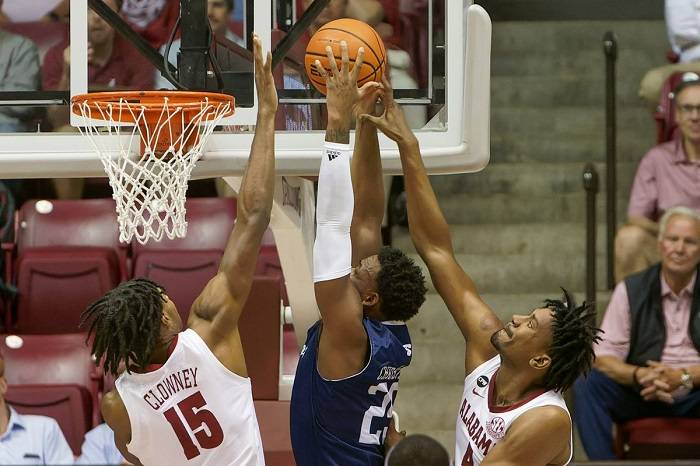
Just as collaboration is essential in the world of art, teamwork is paramount in basketball. Players must synchronize their movements, anticipate each other’s actions, and communicate seamlessly to achieve success. Like members of an artist’s studio, they work together to create something greater than themselves, blending individual talents into a cohesive whole.
Passing becomes a form of artistic expression, as players thread the needle with pinpoint precision, orchestrating plays with the fluidity of a brushstroke. Defense, often overlooked in its artistic merit, is a dance of anticipation and reaction, as players position themselves like sculptures in motion, disrupting the opponent’s rhythm with strategic prowess.
The Coach: Master of the Palette:
Behind every great work of art lies a mastermind guiding the creative process. In basketball, the coach assumes this role, shaping the team’s identity and strategy with a keen eye for detail. Like a painter mixing colors on a palette, they blend player strengths and tactical nuances to create a winning formula.
The coach’s influence extends beyond the sidelines, instilling a culture of discipline, resilience, and innovation within the team. They serve as mentors, inspiring players to push beyond their limits and strive for greatness both on and off the court. Through their guidance, they imbue the game with a sense of purpose and passion, transforming it into an art form worthy of admiration.
The Spectacle: A Feast for the Senses:
Just as art captivates the imagination, basketball enthralls the senses with its sights, sounds, and emotions. The swish of the net, the squeak of sneakers on hardwood, the roar of the crowd – each element contributes to the sensory symphony of the game.
Fans become spectators of this living artwork, drawn into the drama and excitement unfolding before them. They cheer, they gasp, and they hold their breath in anticipation, as the players paint their masterpiece with every pass, shot, and steal. In those fleeting moments of brilliance, basketball transcends its status as a sport, becoming a shared experience that unites people across cultures and continents.
Related Post:
Decoding the Roster: Understanding the Players on an American Football Team
Understanding the Length of an Inning in Baseball: Exploring Every Facet
Understanding the Dynamics of Basketball Quarters: A Comprehensive Guide
Unveiling the Strategic Symphony: A Comprehensive Guide to Every Football Position
In the world of sports, basketball stands out as a true art form, blending athleticism, skill, and strategy into a captivating spectacle. From its humble beginnings in a YMCA gymnasium to its current status as a global phenomenon, the game has captured the hearts and minds of millions around the world, inspiring awe and admiration with its displays of skill and teamwork.
As players take to the court, they paint a picture of grace and athleticism, their movements echoing the brushstrokes of a master painter as they navigate the intricacies of the game. With each dribble, pass, shot, and rebound, they add another layer to the canvas, creating a masterpiece of skill and strategy that captivates audiences and inspires future generations of players.