

In the dynamic world of basketball, where every second counts, adhering to the rules is paramount. One such crucial regulation is the infamous “3 seconds violation.” This seemingly simple rule, often misunderstood, can significantly impact the flow and outcome of a game. In this comprehensive guide, we’ll delve deep into what the 3-second violation entails, its implications, and how it influences the game of basketball.
The Essence of the Rule:
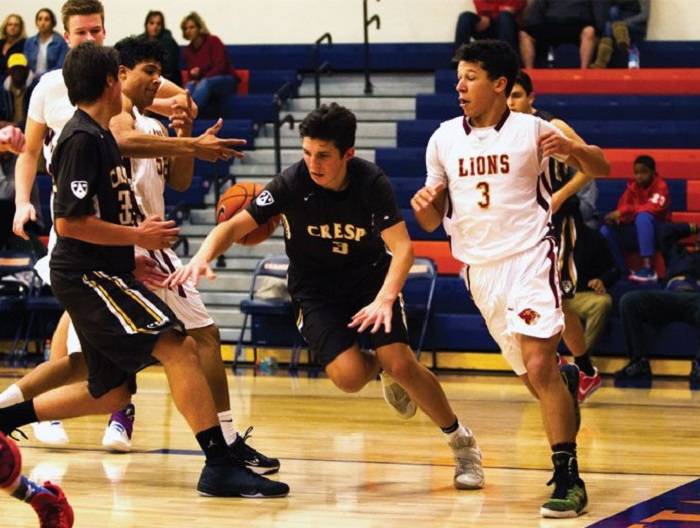
At its core, the 3-second violation is a rule designed to prevent offensive players from camping out in the key or restricted area for an extended period. The key, often referred to as the paint, is the rectangular area below the free-throw line on the basketball court. This rule aims to maintain fairness by ensuring that offensive players do not gain an unfair advantage by lingering too long near the basket.
Understanding the Violation:
So, what exactly constitutes a 3-second violation? According to the rulebook, an offensive player is not allowed to remain in the key for more than three consecutive seconds while their team is in possession of the ball. The count begins as soon as the offensive player establishes themselves in the key. It’s essential to note that the count resets if the player leaves the key and then re-enters it.
Implications for Offense:
For offensive teams, a 3-second violation can be detrimental. It results in a turnover, meaning possession of the ball is awarded to the opposing team. This turnover can disrupt offensive momentum, allowing the defense to regroup and potentially score on the ensuing possession. Therefore, offensive players must be mindful of their positioning and avoid lingering in the key for too long.
Strategic Considerations:
Coaches and players alike must be cognizant of the 3-second rule and incorporate it into their strategic planning. Offensive players must constantly move and navigate the court to avoid violating the rule, while coaches must emphasize the importance of spacing and player movement. Additionally, defenders can exploit the rule by closely monitoring offensive players in the key and forcing turnovers through strategic positioning.
Within the realm of strategy, the 3-second violation holds significant implications for both coaches and players alike. Offensively, teams must prioritize spacing and player movement to exploit gaps in the defense while avoiding prolonged presence in the key. This necessitates disciplined positioning and sharp awareness of the shot clock to capitalize on scoring opportunities.
Defensively, teams can leverage the threat of the violation to disrupt opponents’ offensive schemes. By applying pressure and denying entry passes to the paint, defenders can force offensive players into uncomfortable positions, leading to turnovers or rushed shots.
Enforcement and Interpretation:
Like any rule in basketball, the enforcement of the 3-second violation can vary depending on the officiating crew and the level of play. While some referees may be more lenient with the timing, others may strictly enforce the rule. Furthermore, the interpretation of what constitutes “establishing position” in the key can sometimes be subjective, leading to debates and disagreements on the court.
Historical Context:
The 3-second violation has been a staple of basketball since its inception, dating back to the early 20th century. Over the years, the rule has undergone various revisions and refinements to adapt to the evolving dynamics of the game. However, its fundamental purpose remains unchanged: to maintain fairness and balance between offensive and defensive play.
Common Misconceptions:
Despite its importance, the 3-second violation is often misunderstood by fans and even some players. One common misconception is that the rule applies only to offensive players positioned directly under the basket. In reality, the rule applies to any offensive player in the key, regardless of their proximity to the basket.
Despite its importance, the 3-second violation is often subject to misconceptions and misinterpretations. One common myth is that the count begins as soon as a player enters the key. In reality, the timer starts once the player establishes a position in the key while their team is in possession of the ball.
Additionally, some mistakenly believe that the violation only applies to offensive players without the ball. In truth, any offensive player, regardless of ball possession, is susceptible to the violation if they fail to adhere to the three-second limit.
Origins and Evolution of the Rule:
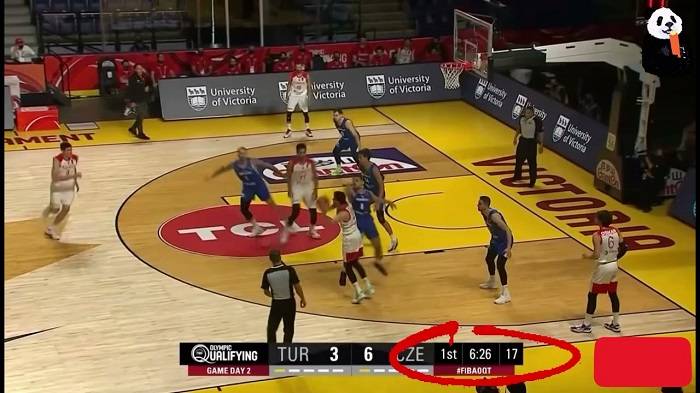
The 3-second violation traces its roots back to the early days of basketball. Initially introduced in the 1936 Olympic Games, it aimed to prevent offensive players from camping in the key, thus opening up the court for smoother flow and increased scoring opportunities. Over the years, the rule has undergone refinement and adaptation to align with the evolving dynamics of the game.
Understanding the Rule:
So, what exactly constitutes a 3-second violation? In its simplest form, the rule dictates that an offensive player cannot remain in the key or the paint area for more than three consecutive seconds while their team is in possession of the ball. This includes any part of the player’s body being within the key.
However, there are nuances to consider. For instance, the count resets when the offensive team loses possession of the ball or when a shot attempt is made. Additionally, exceptions exist for players who are actively dribbling or shooting the ball, granting them temporary immunity from the violation.
Impact on Gameplay:
The 3-second violation serves as a cornerstone for maintaining offensive balance and defensive integrity. Enforcing movement and rotation, prevents stagnant offenses from monopolizing the paint and encourages players to constantly adjust their positioning. Defensively, it empowers teams to disrupt opponents’ interior presence by pressuring them to vacate the key or risk penalties.
Furthermore, the threat of a 3-second violation influences defensive strategies, prompting teams to employ tactics such as zone defense or aggressive shot-blocking to force turnovers and regain possession.
Related Post:
Mastering the Game: A Comprehensive Guide to Basketball Equipment
Mastering the Fundamentals: Essential Basketball Skills Every Player Should Know
How to Play Pickleball: Essential Tips and Strategies for Beginners
The Favorites to Win Euro 2024 Based on Bookmakers’ Odds
In essence, the 3-second violation embodies the fundamental principles of basketball: fluidity, adaptability, and strategic prowess. Beyond its role as a regulatory measure, it serves as a catalyst for innovation and creativity on the court, challenging players and coaches to constantly push the boundaries of their understanding and execution.
As the game continues to evolve, the 3-second violation remains a timeless reminder of basketball’s enduring spirit—a game defined not only by its rules and regulations but by the passion, skill, and ingenuity of those who embrace it. So, the next time you step onto the hardwood, remember the significance of those three precious seconds—they may just make all the difference.
In the fast-paced world of basketball, the 3-second violation stands as a crucial pillar of the game’s regulatory framework. By preventing offensive players from lingering in the key, the rule ensures a fair and balanced contest between offense and defense. Coaches, players, and fans alike must familiarize themselves with the intricacies of this rule to fully appreciate the beauty and complexity of basketball. So, the next time you’re watching a game, keep an eye out for the 3 seconds violation and its impact on the outcome.