


In the symphony of soccer, fullbacks often play the role of the supporting cast rather than the lead performers. Yet, their contributions are vital to the team’s success, providing both defensive solidity and attacking impetus. In this comprehensive guide, we delve deep into the world of fullbacks, exploring their roles, responsibilities, tactical nuances, and the evolution of this position in modern football.
Understanding the Role of Fullbacks:
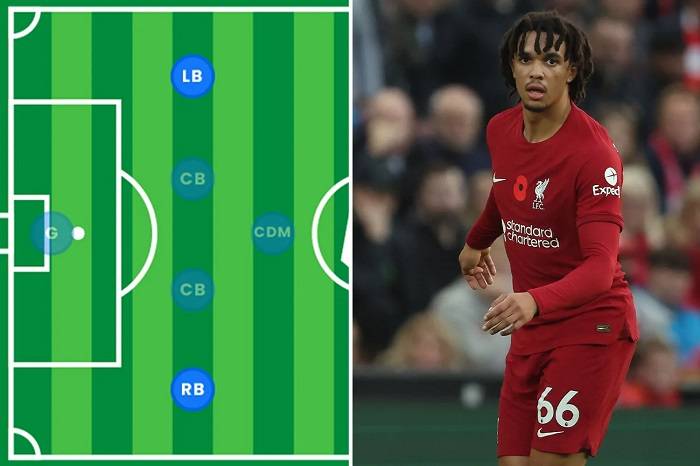
Fullbacks are the defensive players positioned on the extreme edges of the back line, typically flanking the center-backs. Traditionally, their primary responsibility is to defend against opposition wingers and provide cover for the central defenders. the modern game demands much more from fullbacks, requiring them to be adept at both defensive and offensive aspects of play.
Traditionally, fullbacks were primarily seen as defenders whose primary responsibility was to thwart opposition attacks and prevent goals. Positioned on the flanks of the defensive line, fullbacks were expected to mark wingers, intercept crosses, and provide cover for their central defenders.
However, as soccer tactics evolved, so did the role of fullbacks. In the modern game, fullbacks are not only expected to excel defensively but also contribute significantly to their team’s attacking play. They act as auxiliary wingers, overlapping their midfielders to provide width and deliver crosses into the box. This dual role demands exceptional fitness, defensive prowess, and attacking flair from modern fullbacks.
Defensive Duties:
At its core, the role of a fullback is defensive. They must possess strong tackling, marking, and positional awareness to thwart opposition attacks. Fullbacks are often tasked with engaging in one-on-one duels against speedy wingers, making pace and agility essential attributes for success in this position.
Additionally, fullbacks play a crucial role in maintaining the offside trap, coordinating with the rest of the defensive line to catch opponents in an offside position. Their ability to read the game and anticipate opposition movements is paramount in this regard.
Offensive Contributions:

In modern football, fullbacks are not merely defensive stalwarts but also key contributors to the team’s attacking play. They provide width to the team’s formation, stretching the opposition’s defense and creating space for midfielders and forwards to exploit.
Fullbacks often initiate attacks by overlapping with midfielders or wingers, providing an additional passing option in the final third. Their crosses into the box can be a potent weapon, especially when targeting tall strikers or attacking midfielders.
Tactical Evolution:
The role of fullbacks has evolved significantly over the years, influenced by changes in playing styles, formations, and tactical philosophies. In the past, fullbacks were primarily defensive-minded, staying deep and rarely venturing forward.
However, the advent of attacking fullbacks has revolutionized the position. Coaches now expect fullbacks to contribute actively to the team’s batting play, effectively functioning as auxiliary wingers at times.
In tactical terms, the role of fullbacks can vary depending on the team’s style of play and the preferences of the coach. In possession-based systems, fullbacks are often tasked with initiating attacks from deep positions, circulating the ball with their midfielders, and stretching the opposition defense by making overlapping runs down the flanks.
Conversely, in counter-attacking setups, fullbacks may adopt a more conservative approach, prioritizing defensive solidity and quick transitions over adventurous forays into the opponent’s half. Regardless of the tactical approach, fullbacks play a crucial role in maintaining the team’s shape, balancing defensive responsibilities with attacking intent, and providing a link between the defense and midfield.
Types of Fullbacks:
Within the realm of fullbacks, there are several distinct archetypes, each with its own strengths and weaknesses:
Traditional Fullback: Known for their defensive solidity, traditional fullbacks prioritize their defensive duties over attacking endeavors. They excel in one-on-one defending and are adept at nullifying opposition wingers.
Attacking Fullback: These fullbacks are more akin to wing-backs, venturing forward frequently to support attacks. They possess exceptional crossing ability and contribute significantly to the team’s offensive output.
Inverted Fullback: A relatively modern phenomenon, inverted fullbacks operate more centrally, almost as auxiliary midfielders. They provide passing options in build-up play and help dictate the tempo of the game from deep positions.
Famous Fullbacks Through History:

Several fullbacks have left an indelible mark on the game with their stellar performances. From the marauding runs of Brazil’s Cafu to the defensive prowess of Italy’s Paolo Maldini, these players have showcased the diverse skill set required to excel in this position.
The Future of Fullbacks:
As the game continues to evolve, so too will the role of fullbacks. With teams increasingly adopting fluid formations and versatile playing styles, fullbacks will be expected to adapt and contribute across all phases of play.
Technological advancements and data analytics will also play a significant role in shaping the future of fullbacks, providing coaches with valuable insights into player performance and tactical strategies.
The Evolution of Fullbacks:
The transformation of fullbacks from defensive specialists to dynamic playmakers is a testament to the evolution of soccer tactics. Historically, fullbacks were often limited to their defensive duties, rarely venturing forward except to support the attack sporadically. However, as teams adopted more attacking formations and playing styles, the role of fullbacks became more expansive.
Pioneered by legendary coaches like Pep Guardiola and Marcelo Bielsa, the modern fullback is now a multifaceted player capable of influencing the game in both defensive and offensive phases. With their ability to provide width in attack, create numerical advantages in midfield, and deliver pinpoint crosses, fullbacks have become invaluable assets for teams looking to dominate possession and control the flow of play.
The Modern Fullback’s Skill Set:
To excel as a modern fullback, players must possess a diverse skill set that encompasses both defensive and attacking attributes. Defensively, fullbacks must be adept at one-on-one defending, positioning, and reading the game to anticipate and intercept opposition attacks. They must also possess the pace and stamina to track back quickly and recover possession when caught out of position.
In attack, fullbacks are expected to contribute to their team’s attacking play by providing width, making overlapping runs, and delivering accurate crosses into the box. This requires excellent ball control, passing ability, and tactical awareness to exploit space and create scoring opportunities for their teammates.
Related Post:
Portugal National Football Team vs Iceland National Football Team Lineups
Mexico National Football Team vs Qatar National Football Team: A Statistical Analysis
Unleashing Superior Performance: The Allure of Jordan Cleats Football
Iceland National Football Team vs Portugal National Football Team Lineups
In conclusion, the fullback position in soccer is far more than just a defensive role. It’s a dynamic and multifaceted position that requires a blend of defensive discipline, tactical intelligence, and attacking prowess. As the game continues to evolve, fullbacks will play an increasingly influential role in shaping the outcome of matches, providing teams with both defensive solidity and attacking flair.
So, the next time you watch a soccer match, pay close attention to the fullbacks patrolling the flanks. They may not always grab the headlines, but their contributions are indispensable to their team’s success. In the ever-changing landscape of soccer tactics, the fullback remains a vital and often underappreciated hero on the pitch.
Fullbacks may not always hog the headlines or bask in the glory of match-winning goals, but their importance to the team cannot be overstated. From staunch defenders to dynamic attacking outlets, fullbacks embody the versatility and adaptability required to succeed in the ever-changing landscape of modern football. So, the next time you watch a game, spare a thought for the unsung heroes patrolling the flanks – the fullbacks.