


Baseball, America’s favorite pastime, is a sport that encapsulates the essence of patience and strategy. While the game’s overall pace might seem leisurely to some, there’s a dynamic rhythm within each inning that adds to its excitement. Understanding the length of an inning is crucial for both newcomers and seasoned fans alike. In this comprehensive guide, we delve into the intricacies of an inning in baseball, exploring its duration, factors influencing its length, and the nuances that make it a captivating spectacle.
Understanding the Basics:
Before we dive into the specifics of inning length, let’s grasp the basics of an inning. In baseball, each game is divided into nine innings, with each team having the opportunity to bat and field during each inning. The goal of the batting team is to score runs by hitting the ball and successfully navigating the bases, while the fielding team aims to prevent the batting team from scoring.
What Constitutes an Inning?

Before we delve into the length of an inning, let’s define what an inning entails. In baseball, each game is divided into nine innings, with each team given the opportunity to bat and field. During an inning, one team assumes the role of offense (batting) while the other plays defense (fielding). The objective of the batting team is to score runs by hitting the ball and advancing around the bases, while the defensive team aims to prevent runs by fielding the ball and getting offensive players out.
The Duration of an Inning:
The length of an inning in baseball is variable and influenced by several factors, including but not limited to:
Number of Outs:
An inning consists of three outs for each team. An out occurs when a batter fails to safely reach base or when a defensive player successfully records a play against the batting team. The more efficiently the defensive team can secure outs, the shorter the inning will be.
Offensive Performance:
The duration of an inning can be extended by the offensive team’s success in reaching base, hitting extra-base hits, or drawing walks. Each new baserunner prolongs the inning, providing the batting team with more opportunities to score runs.
Pitching Performance:
The effectiveness of the pitchers involved also influences the length of an inning. A dominant pitcher may retire batters quickly, shortening the duration of an inning. Conversely, a struggling pitcher may struggle to get outs, resulting in a longer inning.
Defensive Plays:
Defensive plays, such as double plays or outfield assists, can expedite the process of recording outs and shorten the inning. Conversely, errors or defensive miscues can prolong the inning by allowing offensive players to reach base safely.
Pitching Changes:
Managers may opt to make pitching changes during an inning, which can add time as the new pitcher warms up on the mound. This strategic move aims to optimize pitching matchups or provide relief for a struggling pitcher.
Factors Influencing the Length of an Inning:
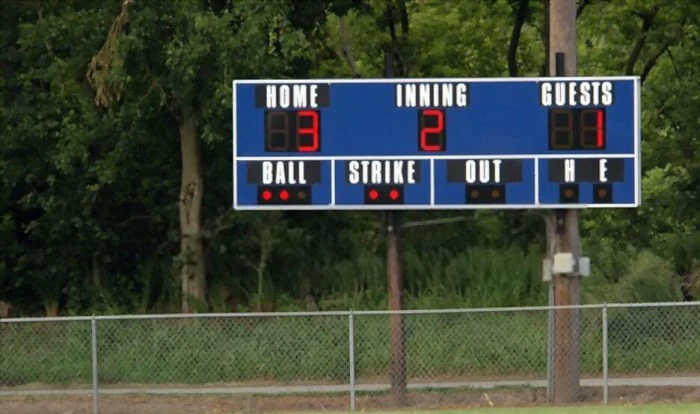
Now that we understand the components that determine the duration of an inning let’s explore some factors that can influence its length further:
Score Discrepancy:
The score margin between teams can affect the intensity and pace of play within an inning. In a close game, both teams may exhibit heightened focus and urgency, leading to quicker innings. Conversely, in a lopsided game where one team holds a significant lead, the pace of play may slow down as the trailing team attempts to mount a comeback or the leading team aims to preserve their advantage.
Game Situation:
The context of the game can also impact the length of an inning. In high-pressure situations, such as playoff games or decisive moments late in a close contest, players may exhibit more cautious and deliberate play, leading to longer innings as they aim to capitalize on opportunities or avoid costly mistakes.
Weather Conditions:
Inclement weather, such as rain delays or extreme heat, can disrupt the flow of the game and contribute to longer innings. Players may require additional time to adjust to adverse conditions, and game stoppages due to weather-related issues can extend the overall duration of an inning.
Umpire Calls and Reviews:
Umpire decisions and instant replay reviews can also impact the length of an inning. Controversial calls or reviews that require extensive deliberation can prolong the inning, leading to pauses in gameplay as officials assess the validity of a play.
Offensive Strategies:
Offensive strategies employed by teams can influence the length of an inning. For example, a team may adopt a small-ball approach, focusing on advancing baserunners through bunts and stolen bases, which can extend the duration of an inning as they seek to manufacture runs.
Strategic Considerations:
Understanding the dynamics of inning length can influence teams’ strategic decisions during a game:
Pitching Management:
Managers must carefully manage their pitching staff to optimize performance while minimizing inning length. Timely pitching changes and effective bullpen management can help control the pace of the game.
Offensive Approach:
Batters may adjust their approach based on the length of the inning and the scoreline. In a close game with limited time remaining, batters may be more aggressive at the plate to capitalize on scoring opportunities.
Defensive Efficiency:
Fielding teams strive to efficiently record outs and minimize defensive errors to shorten innings and keep the opposing team’s offense in check.
Time Management:
Both teams must be mindful of the game clock and manage their time effectively to complete innings within regulation and avoid potential delays.
Related Post:
How to Play Pickleball: Essential Tips and Strategies for Beginners
The Favorites to Win Euro 2024 Based on Bookmakers’ Odds
Who are the most expensive players in Indian cricket history?
In conclusion, the length of an inning in baseball is dynamic and influenced by a myriad of factors ranging from player performance to game situations. Understanding the intricacies of an inning enhances one’s appreciation for the strategic depth and excitement inherent in the sport. Whether it’s the tension of a crucial at-bat or the jubilation of a game-winning run, each inning offers a unique narrative that contributes to the rich tapestry of baseball. So, the next time you tune into a game, pay close attention to the ebb and flow of each inning, and marvel at the spectacle unfolding on the diamond.