

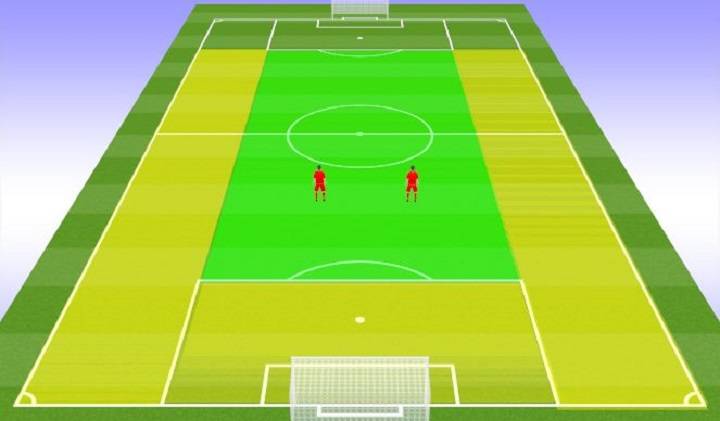
Soccer, a sport celebrated for its elegance, strategy, and teamwork, unfolds on the expansive green pitch where each position plays a unique role. In this extensive exploration, we delve into the intricate dynamics of the midfield soccer position, unraveling its significance, the responsibilities it entails, and its profound impact on the flow of the beautiful game. Join us as we navigate through the dimensions of the soccer field, exploring how the midfield position shapes the narrative of this globally cherished sport.
Understanding the Midfield Soccer Position
Midfielder’s Role: The Engine of the Team
Link Between Defense and Attack:

The midfield position serves as the crucial link between the defensive and offensive segments of the team. Midfielders are the engine that drives transitions, seamlessly connecting plays from the backline to the frontline. Their ability to read the game, distribute the ball, and dictate the tempo is fundamental to a team’s success.
Variety of Midfielders:
Within the midfield position, various roles exist, each tailored to specific strengths and responsibilities. Defensive midfielders focus on breaking up opponent plays and shielding the defense, while attacking midfielders contribute to creative playmaking and goal-scoring opportunities. Box-to-box midfielders cover both defensive and offensive duties, showcasing versatility.
Player Movements: Navigating the Center of the Pitch
Central Positioning:
Midfielders predominantly operate in the central area of the field, strategically positioning themselves between the defensive and offensive thirds. This central location allows them to influence the game across all dimensions, contributing defensively when needed and orchestrating attacks with precision.
Rotational Play:
Dynamic midfielders engage in rotational play, constantly adjusting their positions based on the flow of the game. They may drop deeper to receive the ball from defenders, surge forward to support strikers, or drift wide to exploit spaces on the flanks. This fluidity adds an element of unpredictability to a team’s play.
Skills Mastery: The Midfield Maestro
Ball Control and Passing:
Midfielders are renowned for their exceptional ball control and passing accuracy. The ability to receive, control, and distribute the ball efficiently is crucial in maintaining possession and initiating attacks. Midfield maestros often showcase a diverse range of passing techniques, from short, precise passes to long, visionary through-balls.
Vision and Awareness:
Exceptional vision and awareness are hallmarks of top midfielders. These players possess the tactical intelligence to read the game, anticipate opponent movements, and make split-second decisions. Their ability to scan the field and identify opportunities sets them apart as strategic architects on the pitch.
Impact of the Midfield Position on Gameplay
Control and Possession: Dictating the Tempo
Possession-Based Play:

Teams with strong midfield presence often adopt possession-based playing styles. Midfielders play a pivotal role in retaining the ball, circulating it among teammates, and patiently waiting for opportunities to penetrate the opponent’s defense. Possession-based strategies contribute to control over the game’s tempo.
Counterpressing:
Midfielders play a crucial role in counterpressing, an approach that involves winning back possession immediately after losing it. Their ability to close down opponents swiftly and disrupt counterattacks is instrumental in regaining control and preventing the opposition from capitalizing on turnovers.
Defensive Contribution: Shielding the Backline
Interceptions and Tackling:
Defensive midfielders, in particular, excel in interceptions and tackling. Positioned in front of the defense, they act as a shield, breaking up opponent plays and thwarting attacks. Their well-timed tackles and interceptions provide a critical defensive layer and initiate transitions from defense to offense.
Pressing High Up the Pitch:
Some midfielders actively participate in high pressing, applying pressure on opponents in advanced areas of the pitch. By disrupting build-up play in the opponent’s half, these midfielders contribute to creating turnovers and launching quick attacks.
Attacking Creativity: Unlocking Opposition Defenses
Playmaking and Through-Balls:
Attacking midfielders are revered for their playmaking abilities. They have the vision to spot openings in the opposition defense and the skill to deliver precise through-balls that unlock defenses. Their creative flair often results in goal-scoring opportunities for strikers and wingers.
Goal-scoring Threat:
Certain midfielders possess a goal-scoring instinct, making late runs into the box or taking shots from outside the area. Their ability to contribute offensively adds an extra dimension to the team’s attacking prowess, creating unpredictability for opponents.
Strategies for Excelling in the Midfield Position
Physical Conditioning: Endurance and Agility
Endurance Training:

Midfielders cover substantial ground during a match, requiring exceptional endurance. Endurance training, including aerobic fitness drills, ensures that midfielders can maintain a high work rate throughout the game and actively contribute to both ends of the pitch.
Agility Drills:
Midfielders must navigate tight spaces, evade opponents, and execute quick turns. Agility drills that enhance lateral movements, quick changes of direction, and acceleration are integral to the skill set of midfield players.
Passing Precision: Mastering Techniques
Short and Long Passing:
Midfielders must master both short and long passing techniques. Short, accurate passes facilitate quick ball circulation, while long, strategic passes can break through defensive lines and set up goal-scoring opportunities. Training sessions focus on honing passing accuracy and variety.
First Touch Development:
A midfielder’s first touch is crucial in maintaining possession and swiftly transitioning from receiving the ball to distributing it. First touch development drills emphasize ball control, trapping, and turning with efficiency.
Tactical Awareness: Reading the Game
Positional Play Understanding:
Midfielders benefit from a deep understanding of positional play. They must read the game to know when to hold their position, when to press, and when to surge forward. Tactical awareness drills simulate game scenarios, enhancing a player’s decision-making under various circumstances.
Opponent Analysis:
Analyzing opponents is a key aspect of tactical awareness. Midfielders study opposing teams to identify weaknesses, pressing triggers, and play patterns. This knowledge allows them to adapt their strategies and exploit vulnerabilities during a match.
Adapting to Changes in Soccer Dynamics
Evolution of Formations: Tactical Flexibility
Adaptation to Formations:

Soccer teams often adopt different formations based on the strengths of their players and the tactical approach they wish to employ. Midfielders must adapt to variations in formations, understanding their roles and responsibilities within different systems.
Fluid Systems:
Modern soccer embraces fluid systems that allow players to interchange positions dynamically. This fluidity requires midfielders to be adaptable, comfortable in various positions, and capable of seamlessly transitioning between defensive and offensive duties.
Technology Integration: Enhancing Performance
Video Analysis:
Soccer teams leverage video analysis to scrutinize player performances and team dynamics. Midfielders benefit from reviewing footage to understand their movement patterns, decision-making, and areas for improvement. Video analysis aids in refining tactical awareness and enhancing overall performance.
Performance Tracking Apps:
Mobile applications designed for soccer performance tracking offer features that measure key metrics such as distance covered, sprints, and passing accuracy. Midfielders can use these apps to monitor their physical conditioning and track improvements in specific aspects of their game.
Related Post:
Navigating the Paint: Decoding the Heart of Basketball Action
Exploring the NHL Teams List Alphabetical: A Comprehensive Guide
Deciphering What is Traveling in Basketball: Footwork Dilemmas on the Court
In the realm of soccer, the midfield position stands as the heartbeat of a team—a strategic nexus where defensive resilience meets attacking creativity. Whether it’s the defensive midfielder breaking up opposition plays, the playmaker orchestrating intricate passing sequences, or the box-to-box midfielder covering every blade of grass, the midfielders shape the rhythm and narrative of the game.
As soccer enthusiasts engage in the thrilling journey, whether as players aspiring for excellence or fans savoring the poetry of each match, the midfield position remains a dynamic force. It symbolizes the delicate balance of control and flair—a position where every pass, interception, and movement dictates the ebb and flow of the beautiful game.
So, whether a midfielder is honing their passing precision on the training ground, orchestrating plays in the heart of the pitch, or a fan immersed in the tactical beauty of the game, the journey toward mastering the midfield position in soccer promises an exhilarating odyssey on the green pitch.