

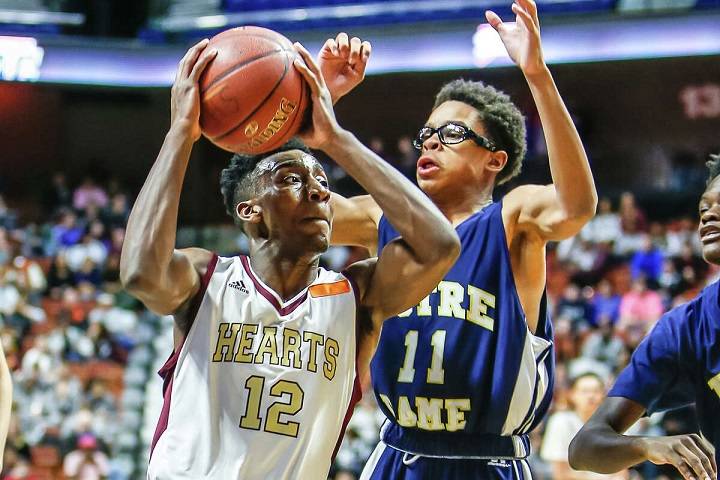
Basketball, a dynamic and exhilarating sport, unfolds on the hardwood with players showcasing their skills in various zones on the court. The paint, a crucial area close to the basket, becomes a battleground for intense competition. In this comprehensive exploration, we delve into the significance of the paint in basketball, examining its dimensions, the key actions that unfold within its boundaries, and the strategies that players employ to dominate this critical space.
Understanding the Paint in Basketball
The Basics: Dimensions and Boundaries
Dimensions of the Paint:

The paint, also known as the key or the lane, is a rectangular area located near the basket. In professional basketball, its dimensions are standardized, with the key measuring 16 feet in width in the NBA and 19 feet in FIBA play. The length of the key is 19 feet 9 inches in the NBA and 16 feet in FIBA.
Boundaries:
The paint is marked by two key features—the free-throw line and the restricted area (also known as the charge circle). The free-throw line is located 15 feet away from the backboard, and successful free throws are awarded from this line. The restricted area, a semicircle with a radius of 4 feet in the NBA, determines whether a defensive player can draw a charging foul.
The Three-Second Rule
Enforcement of the Rule:
The paint is closely tied to the three-second rule, a regulation that limits an offensive player’s continuous presence in the key. According to this rule, an offensive player cannot camp in the paint for more than three seconds at a time. This rule aims to prevent teams from establishing a dominant presence close to the basket.
Offensive Strategies to Avoid Violations:
Teams employ various strategies to navigate the three-second rule. Players often engage in constant movement, executing cuts and screens to keep the defense on its toes. Post players, who frequent the paint, must develop a sense of timing to avoid violating the rule.
Offensive Actions in the Paint
Post Moves:
The paint is a playground for post players, typically taller and stronger athletes who use their skills close to the basket. Post moves include the drop step, up-and-under, and hook shot. These maneuvers aim to create scoring opportunities and draw fouls from defenders.
Layups and Floaters:
Guards and forwards, known for their agility, utilize the paint for layups and floaters. A well-executed drive to the basket can result in a layup—a high-percentage scoring opportunity. Floaters, soft one-handed shots, are employed when a direct layup is challenging due to defensive pressure.
Offensive Rebounding:
The paint is a hotspot for offensive rebounds, with players crashing the boards to retrieve missed shots. Offensive rebounds provide teams with second-chance opportunities to score and extend possessions.
Defensive Tactics in the Paint
Shot Blocking:
Defenders in the paint aim to protect the basket by blocking shots. Shot blockers, often centers and power forwards, use their height and timing to swat away field goal attempts. A well-timed block not only prevents a score but can also ignite fast-break opportunities for the defensive team.
Drawing Charges:
Defenders, especially those outside the restricted area, seek to draw charging fouls from offensive players driving to the basket. Establishing defensive position and taking contact within the restricted area can result in an offensive foul, turning the ball over to the defending team.
Paint Defense Strategies:
Teams employ various paint defense strategies, including zone defenses that collapse towards the basket, double-teaming post players, and rotating defenders to contest shots. Effective communication and teamwork are crucial components of successful paint defense.
Strategies for Dominating the Paint
Establishing Post Presence
Utilizing Size and Strength:

Teams with dominant post players leverage their size and strength to control the paint. Post players often serve as focal points of the offense, demanding attention from defenders and creating scoring opportunities for themselves and teammates.
Post Entry Passes:
Guards and wings play a crucial role in facilitating post play by delivering accurate entry passes to the post player. The timing and precision of these passes are essential for setting up effective post moves.
Creating Off-Ball Movement
Screening and Cutting:
Offensive players can create opportunities in the paint by engaging in off-ball movement. Screens set by players outside the paint free up teammates for cuts to the basket, creating dynamic scoring chances.
Perimeter Shooting to Open the Paint:
Teams with proficient perimeter shooters can stretch the defense by knocking down outside shots. This forces defenders to close out on shooters, creating driving lanes for guards and wings to attack the paint.
Transition Offense
Fast-Break Opportunities:
In transition, teams aim to capitalize on fast-break opportunities. Pushing the ball up the court quickly can catch the defense off guard, allowing offensive players to penetrate the paint before defenders can set up.
Spacing and Floor Balance:
Maintaining proper spacing and floor balance is crucial in transition offense. Players need to spread out on the court, preventing the defense from collapsing into the paint and allowing ball handlers to make decisions based on the unfolding play.
Versatile Scoring Options
Balancing Inside and Outside Scoring:
Teams aiming to dominate the paint must also possess outside scoring threats. This balance prevents defenses from collapsing into the paint, as they must respect the ability of perimeter players to score from beyond the arc.
Dribble Penetration:
Guards with strong ball-handling skills can break down defenses by penetrating the paint. Dribble penetration forces defenders to collapse towards the ball, creating opportunities for kick-out passes to open shooters or dump-off passes to post players.
Related Post:
Decoding the Dynamics: Unveiling the Duration of an Inning in Baseball
Deciphering the Dynamics: Unraveling Every Football Position
Unveiling the Art of Volleyball Scoring: Navigating the Nets and Spikes
As we navigate the intricacies of the paint in basketball, it becomes evident that this rectangular battleground is not merely a physical space but a canvas where the art and science of the game converge. The paint represents a constant interplay of offensive creativity, defensive tenacity, and strategic maneuvering.
For players and teams, mastering the dynamics of the paint is a journey that involves skill development, tactical awareness, and a deep understanding of the game’s fundamentals. Whether it’s a center showcasing elegant post moves, a guard driving fearlessly to the basket, or a team executing seamless off-ball cuts, the paint remains a stage for basketball brilliance.
So, as the ball bounces within the confines of the key, and players engage in the physical and mental chess match that defines the paint, we witness the heart of basketball action, where victories are earned, and legacies are forged.