

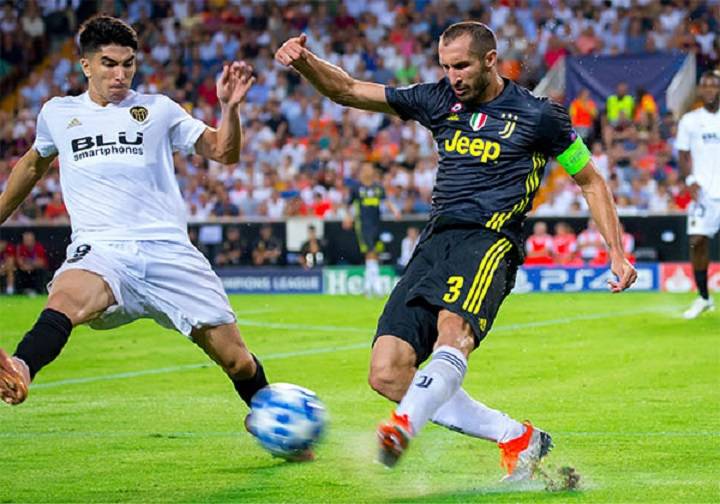
In the grand theater of football, a sport marked by strategy, athleticism, and specialized roles, the orchestration of players across the gridiron is akin to a symphony. Each position plays a unique note, contributing to the harmonious execution of plays and the pursuit of victory. In this comprehensive exploration, we delve into the intricacies of football positions, unraveling the responsibilities, skills, and impact of players across various roles on the field.
Understanding Football Positions
The Quarterback: Maestro of the Offense
Role and Responsibilities:

The quarterback, often regarded as the face of the team, is the maestro of the offense. Positioned behind the center, the quarterback is the focal point of every play. Their responsibilities include reading the defense, making split-second decisions, and delivering accurate passes to advance the ball down the field.
Skills and Attributes:
Quarterbacks must possess a combination of intelligence, arm strength, accuracy, and poise under pressure. Their ability to lead the team, read defensive schemes, and execute precise throws makes them pivotal to offensive success.
Running Back: Dynamic Ground Gainer
Role and Responsibilities:
The running back is the primary ball carrier, tasked with navigating through the opposing defense to gain yards on the ground. They may also be utilized in the passing game as receivers. Running backs require agility, vision, and the ability to elude tacklers.
Skills and Attributes:
Speed, agility, vision, and the ability to break tackles are crucial attributes for running backs. Whether executing power runs between the tackles or showcasing breakaway speed on the perimeter, running backs are dynamic playmakers.
Wide Receiver: Airborne Artistry
Role and Responsibilities:
Wide receivers are the primary targets for quarterback passes. They use speed and precise route running to create separation from defenders, making them viable options for receptions. Wide receivers contribute to both short-yardage gains and explosive downfield plays.
Skills and Attributes:
Speed, agility, catching ability, and route-running precision define a successful wide receiver. Their capacity to make acrobatic catches, gain yards after the catch, and stretch the field adds a dynamic dimension to the passing game.
Tight End: Dual Threat in Offense
Role and Responsibilities:
Tight ends serve a dual role, contributing to both the passing and running games. They are capable blockers in the trenches and effective receivers downfield. Tight ends create mismatches with their size and athleticism.
Skills and Attributes:
Tight ends need a combination of blocking strength and receiving skills. Their versatility allows offenses to seamlessly transition between running and passing plays, keeping defenses guessing.
Offensive Line: Guardians of the Quarterback
Role and Responsibilities:
The offensive line consists of tackles, guards, and a center who form a protective barrier around the quarterback. Their primary task is to block defenders, creating a secure pocket for the quarterback and openings for running backs.
Skills and Attributes:
Strength, agility, and communication are essential for offensive linemen. Working as a cohesive unit, they must anticipate defensive movements, adjust blocking assignments, and provide the quarterback with the time needed to execute plays.
Defensive Line: Frontline Disruptors
Role and Responsibilities:
The defensive line aims to disrupt the opposing offense by pressuring the quarterback and stopping the run. Defensive ends and tackles use a combination of strength, speed, and technique to penetrate the offensive line and create chaos in the backfield.
Skills and Attributes:
Explosiveness off the line, tackling ability, and an understanding of offensive schemes define successful defensive linemen. Their capacity to collapse the pocket and thwart running plays is instrumental in defensive success.
Linebacker: Versatile Defensive Playmakers
Role and Responsibilities:
Linebackers operate in the middle of the defense, with responsibilities ranging from stopping the run to covering tight ends and receivers in pass defense. They serve as the versatile playmakers who must read the offense and react accordingly.
Skills and Attributes:
Linebackers need a blend of speed, tackling ability, and coverage skills. Their capacity to diagnose plays, shed blockers, and make open-field tackles makes them integral to both run and pass defense.
Cornerback: Lockdown Defenders
Role and Responsibilities:
Cornerbacks are tasked with covering opposing wide receivers, preventing them from making receptions. They engage in one-on-one matchups, requiring exceptional coverage skills, agility, and the ability to anticipate routes.
Skills and Attributes:
Speed, agility, ball-hawking instincts, and the ability to change direction quickly characterize successful cornerbacks. Their role in limiting the effectiveness of opposing passing attacks is critical to defensive success.
Safety: Guardians of the Secondary
Role and Responsibilities:
Safeties operate as the last line of defense in the secondary. They provide support in pass coverage, help defend against deep passes, and play a key role in run defense. Safeties must be adept at reading the quarterback and reacting to plays.
Skills and Attributes:
Ball awareness, tackling ability, and football IQ are vital for safeties. Their role as the safety net for the defense requires them to make split-second decisions that can impact the outcome of a play.
Impact of Football Positions on Gameplay
Offensive Strategies: Leveraging Strengths
Pass-Centric Offense:

Teams with skilled quarterbacks and dynamic wide receivers often adopt pass-centric strategies. The emphasis is on quick, efficient passing plays that capitalize on the speed and agility of receivers, putting pressure on opposing secondaries.
Run-Heavy Offense:
Teams with powerful running backs and a formidable offensive line may opt for a run-heavy approach. This strategy involves controlling the clock, wearing down the opposing defense, and capitalizing on the physicality of the running game.
Defensive Schemes: Adapting to Strengths
Blitzing Defenses:
Defensive coordinators may deploy aggressive blitzing schemes, sending additional pass rushers to pressure the quarterback. This strategy aims to disrupt the timing of passing plays and force hurried decisions.
Zone Coverage:
Some defenses prefer zone coverage, where defenders cover specific areas of the field rather than individual receivers. This approach aims to limit big plays and force quarterbacks into making throws into tight coverage.
Strategies for Positional Excellence
Position-Specific Training: Hone Your Craft
Quarterback Drills:
Quarterbacks engage in drills focusing on footwork, accuracy, and decision-making. These drills simulate game scenarios, allowing quarterbacks to develop muscle memory for various situations.
Receiver Route Running:
Wide receivers invest time in perfecting their route-running techniques. Precision in cuts, timing with the quarterback, and the ability to create separation from defenders are honed through repetitive drills.
Linemen Blocking Techniques:
Offensive and defensive linemen work on specific blocking and pass-rushing techniques. These drills enhance their strength, agility, and ability to maintain leverage in the trenches.
Film Study: The Tactical Advantage
Quarterback Film Analysis:
Quarterbacks study film to analyze opposing defenses, understand their tendencies, and identify potential vulnerabilities. This preparation enhances their ability to read defenses in real-time during games.
Defensive Recognition:
Defenders, particularly linebackers and secondary players, engage in film study to recognize offensive formations, anticipate plays, and understand the tendencies of opposing quarterbacks and playmakers.
Evolution of Football Positions
Specialization and Hybrid Roles
Specialized Positions:
As the game evolves, teams are increasingly utilizing specialized positions to cater to specific skills. This includes situational pass rushers, slot receivers, and third-down running backs, allowing for a more nuanced approach to various game scenarios.
Hybrid Players:
The rise of hybrid players who can perform multiple roles is a notable trend. For example, a safety with coverage skills may be used as a nickel cornerback in certain situations, adding flexibility to defensive schemes.
Impact of Rule Changes
Protecting Quarterbacks:
Rule changes aimed at protecting quarterbacks impact defensive strategies. Stricter penalties for hits on quarterbacks and an emphasis on player safety influence how defenders approach pressuring opposing signal-callers.
Enhancing Offense:
Several rule changes, including adjustments to pass interference rules and restrictions on defensive contact with receivers, aim to enhance the entertainment value of the game by favoring offensive production.
Related Post:
- Unveiling the Duration: How Long Are Basketball Quarters in Different Leagues?
- Exploring the Sporting Landscape: Unveiling the Diversity of Sports
- Decoding the Dynamics: Unveiling the Duration of an Inning in Baseball
In the grand symphony of football, each position plays a distinct role, contributing to the ebb and flow of the game. From the quarterback orchestrating the offense to the defensive linemen disrupting plays in the trenches, the synergy of players across positions creates the intricate tapestry of football.
As the sport continues to evolve, with strategies adapting to new trends and rule changes, the symphony of football positions remains a testament to the dynamic nature of the game. Whether executing precision passes, delivering bone-crushing tackles, or making acrobatic catches, football players, each in their specialized role, contribute to the enduring allure of the gridiron. The symphony resonates in the hearts of fans and echoes across stadiums, a timeless testament to the artistry and athleticism that define the beautiful game of football.