

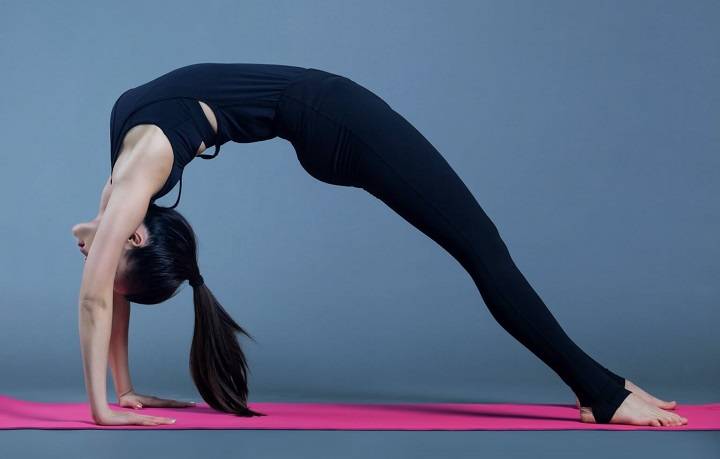
Gymnastics, with its mesmerizing display of strength, flexibility, and grace, has enthralled audiences for centuries. Originating from ancient Greece, where it was practiced as a form of physical exercise and preparation for war, gymnastics has evolved into a highly specialized sport with its own set of disciplines and moves. In this comprehensive guide, we’ll delve into the world of gymnastics, exploring its rich history, iconic moves, techniques, and the incredible athletes who bring them to life.
History of Gymnastics
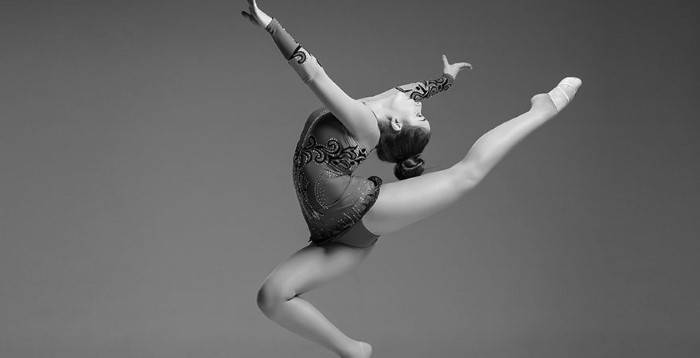
The roots of gymnastics trace back to ancient civilizations, particularly the Greeks, who practiced various physical exercises that resembled modern gymnastics. However, it wasn’t until the 19th century that gymnastics began to take shape as a formal sport. In 1811, Friedrich Ludwig Jahn, known as the “father of gymnastics,” founded the first gymnastics club in Germany, promoting the use of apparatus such as parallel bars, rings, and vaulting horses.
The sport continued to grow in popularity throughout Europe, leading to the establishment of the International Gymnastics Federation (FIG) in 1881. Gymnastics made its debut in the modern Olympic Games in 1896, with both men’s and women’s events gradually added to the program.
Iconic Gymnastics Moves
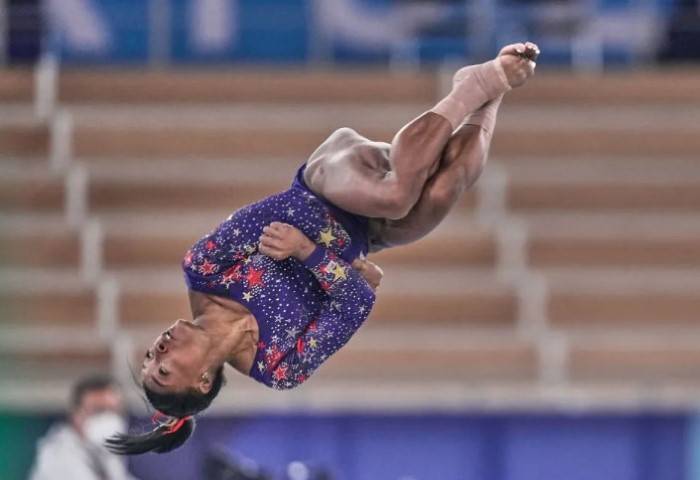
The Backflip:
The backflip, also known as a back tuck or salt, is one of the most fundamental yet thrilling moves in gymnastics. It involves a backward rotation in the air, with the gymnast tucking their knees to their chest to complete the rotation before landing on their feet. The backflip showcases a combination of strength, agility, and fearlessness.
The Handstand:
The handstand, a quintessential move in gymnastics, epitomizes balance and control. In this move, the gymnast supports their entire body weight on their hands while maintaining a vertical position, with legs extended upwards. The handstand requires exceptional upper body strength, core stability, and precise alignment.
The Splits:
The splits, though seemingly simple, require incredible flexibility and dedication to master. Gymnasts perform splits both on the floor and on various apparatus, showcasing their range of motion and suppleness. Achieving a full split demands consistent stretching and conditioning of the hip flexors, hamstrings, and adductor muscles.
The Iron Cross:
The iron cross is a breathtaking display of strength on the still rings apparatus. In this move, the gymnast extends their arms sideways while suspending their body in a horizontal position, forming a crucifix-like shape. Holding the iron cross requires immense upper body strength, particularly in the shoulders, chest, and arms.
The Yurchenko Vault:
Named after Soviet gymnast Natalia Yurchenko, the Yurchenko vault revolutionized women’s gymnastics with its complexity and innovation. It involves a round-off entry onto the springboard, followed by a back handspring onto the vaulting table, culminating in a dynamic somersault off the apparatus. The Yurchenko vault showcases power, speed, and precision in execution.
Techniques and Training:
Gymnastics training encompasses a combination of strength conditioning, flexibility exercises, skill development, and routine practice. Gymnasts undergo rigorous training regimens tailored to their specific disciplines, focusing on refining technique, enhancing physical capabilities, and minimizing the risk of injury.
Strength Conditioning:
Gymnasts engage in strength training exercises targeting major muscle groups, including the core, upper body, lower body, and stabilizing muscles. Strength conditioning builds the foundation for executing dynamic moves and maintaining proper form throughout routines.
Flexibility Exercises:
Flexibility is paramount in gymnastics, as it enables athletes to achieve full range of motion in their movements and poses. Gymnasts incorporate stretching routines, such as dynamic stretching, static stretching, and proprioceptive neuromuscular facilitation (PNF), to improve flexibility and prevent muscle tightness.
Skill Development:
Gymnasts progress through a series of skill development drills and progressions to master new moves and techniques. Coaches provide personalized instruction, spotting, and feedback to help athletes refine their skills and overcome technical challenges.
Routine Practice:
Consistent routine practice is essential for gymnasts to hone their performance and build confidence in competition. Gymnasts rehearse their routines on various apparatus, focusing on execution, timing, and artistic expression to deliver polished performances.
The Foundation: Basic Gymnastics Moves
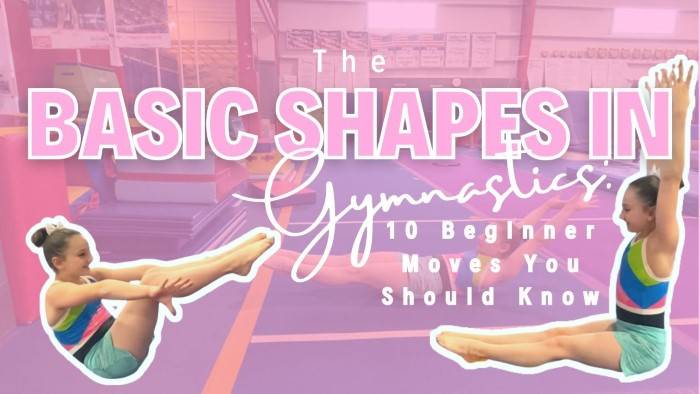
Tumbling: Mastering the Basics
Forward Roll
Backward Roll
Cartwheel
Handstand
Balancing Acts: Beam Basics
Walking on the Beam
Arabesque
Scale
Handstand on the Beam
Vaulting into Action
Run-up Technique
Hand Placement
Front Handspring
Tsukahara
Building Blocks: Intermediate Gymnastics Moves
Tumbling Progressions
Roundoff
Back Handspring
Front Tuck
Aerial
Advancing on the Beam
Split Leap
Back Walkover
Full Turn
Back Handspring Stepout
Elevating Vaulting Skills
Yurchenko
Roundoff Entry
Handspring Front Tuck
Kasamatsu
Reaching New Heights: Advanced Gymnastics Moves
Elite Tumbling Techniques
Double Back Tuck
Layout
Full Twist
Double Twist
Beam Mastery
Side Aerial
Front Aerial
Onodi
Front Tuck
Vaulting Beyond Limits
Double Tsukahara
Handspring Double Front
Yurchenko Double Twist
Tsukahara Double Twist
Training Tips and Techniques
Strength Training: Core, Upper Body, and Lower Body
Flexibility: Importance and Stretching Exercises
Balance and Coordination Drills
Mental Preparation: Visualizations and Focus Techniques
Injury Prevention and Rehabilitation
The Evolution of Gymnastics Moves
Ancient Origins: From Ancient Greece to Modern Gymnastics
Notable Figures: Pioneers and Innovators in Gymnastics History
Technological Advances: Equipment and Safety Innovations
Artistic Expression: Choreography and Music in Gymnastics Routines
The Competitive Arena: Gymnastics Competitions
Olympic Games: The Pinnacle of Gymnastics Achievement
World Championships: Showcasing Elite Talent
National Competitions: Fostering Local Talent
Collegiate Gymnastics: Balancing Academics and Athletics
Inspirational Stories: Overcoming Challenges in Gymnastics
Triumph Over Adversity: Athletes Who Defied the Odds
Perseverance and Dedication: The Path to Success
Role Models and Mentors: Guiding Lights in the Gymnastics Community
Related Post:
The Post Position in Basketball: Dominance in the Paint
The Economics of Cricket: How Much Do Cricket Players Really Make?
Unraveling the Lengthy Thrills: How Long Are F1 Races?
Gymnastics continues to captivate audiences worldwide with its athleticism, artistry, and sheer spectacle. From its ancient origins to its modern-day evolution, gymnastics embodies the pursuit of excellence and the triumph of the human spirit. As we celebrate the iconic moves, techniques, and history of gymnastics, let us also recognize the dedication, passion, and determination of the athletes who inspire us with their extraordinary feats.
Gymnastics is more than just a sport; it’s a journey of self-discovery, perseverance, and achievement. Whether you’re a beginner taking your first steps on the balance beam or an elite athlete aiming for Olympic glory, the world of gymnastics offers endless opportunities for growth and fulfillment. By mastering essential moves, honing your skills, and embracing the spirit of determination, you can embark on a transformative journey that transcends the boundaries of sport and empowers you to reach new heights of excellence.
With dedication, practice, and a love for the art form, anyone can become a master of gymnastics, unlocking the potential within themselves and inspiring others along the way. So, embrace the challenge, defy gravity, and soar to new heights as you embark on your gymnastics journey. The sky’s the limit, and the world is your stage.