

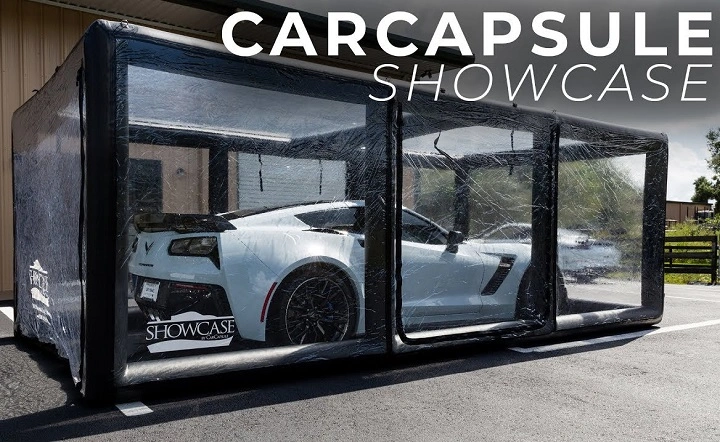
A car capsule looks like a soft, clear cocoon around your pride and joy. Quiet fan. Gentle airflow. Dust stays out. Moisture stays moving. Your paint sleeps in peace. If you’re tired of covers that scuff, garages that drip, and pests that think your engine bay is a studio apartment, this guide is for you. Short sentences. Clean rhythm. Practical steps. By the end, you’ll know what a car capsule is, how it works, which type fits your life, how to set it up right, and how to keep it happy through the seasons.
What Is a Car Capsule?

A car bubble is an inflated, zippered enclosure that surrounds your vehicle on a rugged base mat and clear or opaque dome. A mini-fan sucks in filtered air. The bubble is maintained under light pressure so dust and moisture can’t settle on your paint. Think “mini clean room for cars.” You unzip, drive in, zip up, plug in, and forget your worries.
Why a Car Capsule Instead of a Cover?
- No paint scuffing. The shelter never comes into contact with the finish. Air does the work.
- Even airflow. Flowing air inhibits condensation, mildew, and odors.
- Pest resistance. A sealed zipper and smooth surface are mouse- and moth-proof.
- Showroom visibility. Transparent domes turn a garage into a gallery.
- Low-maintenance storage. Wash the car, store it away, and keep it spotless for months.
If you love your car but hate hovering over it with microfiber and dread, a car capsule is peace of mind at plug-in.
The Main Types (Pick by Where You Store and How You Use)
Indoor Capsule (Garage Hero)
For neat, dry garages where dust-free storage and unobstructed viewing count. See-through walls, light base, quiet fan. Simple and elegant.
Outdoor Capsule (Weather-Ready)
More serious material with UV protection, better zippers, and tie-down points. Made to withstand sun, rain, and dirt. Choose this if you only have the driveway.
Showcase-Style (Rigid Frame + Clear Panels)
Sharper edges, museum look. Usually used for display spaces where you want neater lines and lots of walk-around space.
Motorcycle/Compact Variants
Scaled down for motorcycles, roadsters, and short wheelbase toys. Handy if space is not present.
How a Car Capsule Functions (The Essentials)
- Base mat: Heavy-duty, abrasion-resistant, sometimes with a ridge to catch drips.
- Dome: PVC or similar, transparent or opaque, sealed seams.
- Zippers: Full-length easy-access zippers, double-zip in some for quick exit.
- Fan + filter: Small electric fan always on, drawing filtered air in and pushing out stale air through relief vents.
- Power: Typically household current. A few offer low-watt 12V options.
The key is soft, steady airflow. Not a hurricane. Just a steady breeze that dries surfaces and stabilizes them.
Who Will Benefit Most
- Classic and collector owners who want to halt dust, fingerprints, and garage drips.
- Drivers in the average drudgery who park for weeks and want a new beginning.
- Detail enthusiasts who like to lock in a fix and apply a coat.
- Apartment or townhouse residents with outdoor space but no traditional storage.
If any of those describe you, a car capsule awaits where you live—literally.
Choosing the Right Size
- Measure bumper to bumper. Allow minimum 12–18 inches total length cushion.
- Mirror-to-mirror width. Add fold-out expense if your mirrors won’t fold in.
- Verify height with antennas/spoilers. Don’t estimate—measure.
- Keep the arc in mind. The dome slopes in; a high roofline towards the edges can collide if the capsule is undersized.
A small, bigger capsule is more tolerable. Too small and you fight with zippers and bump into walls.
Things That Truly Matter

- Sturdy base. Heavy-duty, chemical-resistant, with non-scratch surface.
- Good zippers. Smooth pulls, guarded tracks, ample openings.
- Replaceable filters. Easy to swap without digging around the fan housing.
- Low-noise fan. You’ll live with the sound. Choose one that hums, not howls.
- UV protection (outdoor). Tinted or coated domes survive longer in sun.
- Grommets and tie-downs (outdoor). Wind is real. Give it respect.
- Serviceable seams and patch kits. Life happens; repair beats replace.
Prepping the Car Before It Goes Inside
- Dry and wash thoroughly. Trapped moisture is the enemy of beautiful paint.
- Wax or seal. Seal it in; the capsule will help keep it in.
- Dry and clean interior. Remove food, wet mats, and gym bags.
- Battery tender. Plug in an intelligent maintainer specifically for your battery type.
- Fuel and tires. Top off to a spec, add stabilizer for longer naps, and top off to reduce tank condensation.
- Rodent deterrent. Peppermint sachets, steel wool in holes, garage sanitation. Keep the buffet shut.
How to Install an Indoor Car Capsule Step by Step
- Sweep and mop your floor. You’re creating a clean room; begin clean.
- Roll out the bottom mat where you want the car to reside.
- Place the fan by a protected outlet with surge protection.
- Unzip and fold the dome open along the mat borders.
- Drive onto the mat slowly. Align the car.
- Plug in a battery tender if you use one; organize cords neatly.
- Zip the dome closed smoothly, using your hand to guide the zipper around corners.
- Power the fan. Watch the capsule inflate. Inspect for even lift and clearances.
- Listen for leaks. A constant hum and firm dome are good. Whistles or soft spots are a bad seal or open vent.
That’s it. Ten minutes of quiet. Huge rewards.
Outdoor Setup Extras
- Select a level spot with drainage. Avoid low areas where water collects.
- Add a ground barrier if your site is gritty to protect the base.
- Stake or strap through tie-down points on the capsule.
- Check shade arcs. A nearby tree changes with seasons; aim for morning shade when possible.
- Be wind-aware. High-wind warning means double-checking straps and zippers.
Climate and Humidity Advice
- Humid climates: The airflow in the capsule battles condensation, but takes a small desiccant packet inside as added protection on monsoon weeks.
- Cold climates: Drive the car in dry. Melting snow on the floor can increase humidity; mop water near the bottom.
- Desert heat: UV is king. Use UV-rated materials and crack the garage door for an instant after hot drives to release heat before sealing up.
Power and Safety
- If possible, a dedicated outlet. Plug in a surge protector.
- Cord management. No pinches at doors or wheels, no tripping hazards.
- Reliable fan. Spare fan stored by some owners; new fan installed in minutes.
- Don’t run the engine in the capsule. Carbon monoxide hazard is serious. Start rolling the dome far away and only unzip after the car has been started.
Cleaning and Care
- Dome: Clean dust with clean water, followed by soap and soft sponge. No chemicals.
- Base mat: Vacuum grit, spot clean oil leaks, and thoroughly dry.
- Filters: Replace on schedule or sooner if your garage is messy.
- Zippers: Clean tracks. A little zipper wax keeps the pulls silky.
- Patches: Holey from a tiny hole? Clean, dry, patch both sides if both patch and hole are accessible. Let it cure through before inflating.
Consistency is better than drama. Ten minutes a month keeps it all fixed.
Troubleshooting Quick List
- The bubble feels soft. Check zipper closures, vent flaps, and fan intake blockages.
- Condensation on the inside. Make sure you stored the car dry, changed the filter, and enhanced room airflow around the capsule.
- Fan noisier than normal. Clean intake, check the filter, and make sure the fan is level.
- Static cling on the dome. Clean with anti-static spray designed for plastics.
Security and Privacy
A capsule discourages careless hands, but it is not a vault.
- Garage users: Use frosted window film if the car can be seen from the street.
- Driveway users: Motion lights and cameras assist. Use a darker, UV-rated dome outside if visibility is an issue.
- Plates and documents: Take visible documents off windshield. Common sense is still the rule.
Complements and Alternatives
- Breathable car cover: Light, cheap, but it touches paint. Good for short visits, not all-season winters.
- Dehumidifier garage corner: Ideal if you can partition off a bay and maintain the humidity.
- Sealed storage bag (no fan): Dusts out but holds moisture if you leave the car damp.
- Traditional storage unit: Fine, but you’ll still fight dust and fingerprints without a capsule.
Often, the best setup is capsule + battery tender + smart garage habits.
Cost and Value
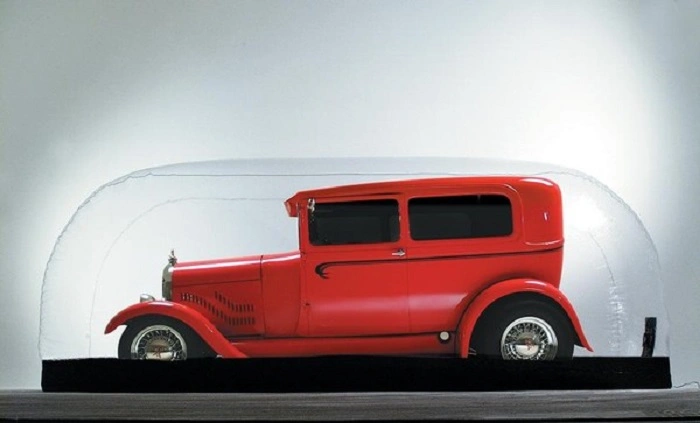
Expect a reasonable upfront cost, then pennies per day in electricity. The payoff shows in paint that stays swirl-free, chrome that doesn’t spot, rubber that doesn’t mildew, and interiors that still smell like leather, not storage.
Common Mistakes to Avoid
- Putting the car away wet. Dry it first, or you’ll trap a cloud.
- Undersizing. Tightening capsules rub and irritate.
- Lacking the battery tender. New vehicles drink power even when sleeping.
- Ignoring filters. Clogged filters make fans do extra work and air blow poorly.
- Running the engine indoors. Always roll dome well clear before startup.
A Simple Decision Guide
- In-house, clean garage, show car: Clean in-house capsule.
- Driveway outdoors, four seasons: UV-rated outdoor capsule with tie-downs.
- Tight storage, small roadster: Compact footprint-oriented version.
- Regular use, weekly driving: Display with easy access and quiet-as-a-whisper fan.
- Long-term winter storage: Standard capsule with care, stabilizer, desiccant, and calendar reminder to change filters monthly.
Living With a Car Capsule Day to Day
You stop using the garage as a battle ground. No more “just dusted it” sighs. No more paw marks. You unzip and step into a serene, clean bubble. The car looks like the day you stored it. You breathe out. You remember why you love this machine. You turn the key in spring and everything is new.
Frequently Asked Questions (FAQs)
Do I have to have the fan on 24/7?
Yes. Soft, constant air flow excludes dust and keeps surfaces dry. Low-power fan, meant to be used continuously.
Can I use a car capsule outdoors year-round?
With an outdoor-rated unit, yes. Stake it, preserve the UV protection, and inspect after storms. In areas with extreme weather, store seasonally indoors.
Will the capsule remove all rust?
It helps by reducing condensation and keeping salt-contaminated dust off surfaces but can’t fix existing corrosion or improper storage methods. Start with a clean, dry car.
How often should I replace the filter?
Dust accumulation will vary. Most owners replace it every few months. If the fan is wheezing or the garage is dirty, replace it sooner.
Can I open the car doors inside the capsule?
In the majority of situations, yes—carefully. Just watch out for the dome. If you need to have regular access, choose a big one or a show-case style frame.