


Replacing an oil pan gasket isn’t the flashiest repair, but it’s important. If your car is dripping oil or leaving spots in your driveway, the oil pan gasket might be the culprit. Catching it early saves you from bigger engine problems down the line. Here’s what you need to know—costs, symptoms, and what’s involved.
What Is an Oil Pan Gasket?
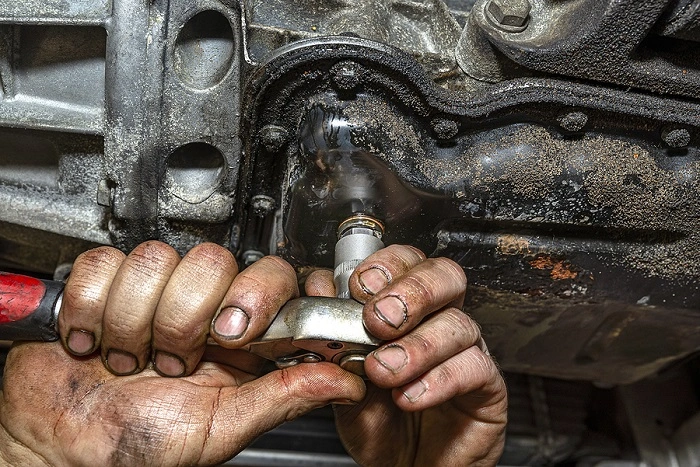
A Quick Overview
What It Does: Seals the connection between your engine block and oil pan
Why It Matters: Prevents oil leaks, protects engine components
Common in: All gas and diesel internal combustion engines
Material: Usually rubber, silicone, or cork—depends on the engine design
DIY Friendly? Somewhat—easier on older cars with more clearance underneath
Signs You Might Need a Replacement
- Visible oil leak under the vehicle
- Burning oil smell from engine area
- Low oil level or oil light comes on
- Engine looks oily around the bottom
If you’re topping off oil more than usual or your driveway has oil spots, don’t ignore it.
Oil Pan Gasket Replacement Cost Breakdown
What You’ll Pay
Average Total Cost: $200–$600
- Parts: $20–$100
- Labor: $180–$500, depending on engine layout and access
Costs vary widely depending on your car’s make, model, and whether you go to a dealership or local shop. Transverse (sideways) engines often cost more due to tougher access.
Higher Cost Vehicles
- Luxury cars (BMW, Audi, Mercedes): $500–$900+
- Trucks/SUVs with large engines or AWD systems: $400–$700
Lower Cost Vehicles
- Basic sedans and compacts (Toyota Corolla, Honda Civic): $200–$400
Labor Time Involved
Most oil pan gasket replacements take 2–5 hours. The mechanic often needs to:
- Remove underbody shields
- Drain the oil
- Detach components that block the pan (exhaust, crossmembers, etc.)
- Clean the mating surfaces and reseal
Can You Drive With a Leaking Oil Pan Gasket?
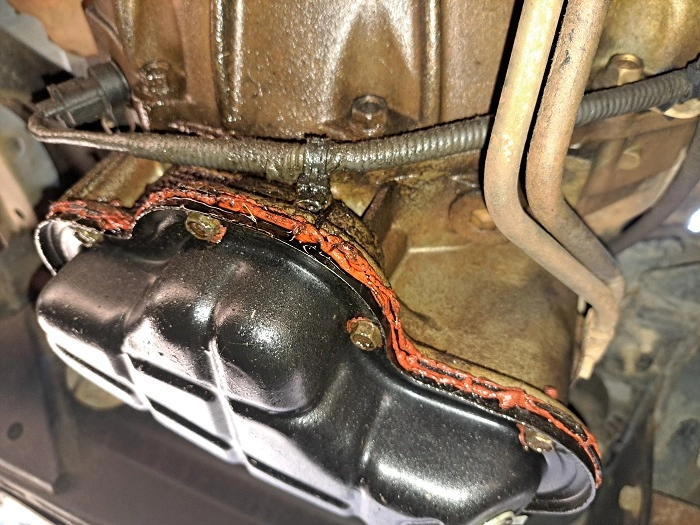
Short term? Maybe. Long term? Not smart.
Low oil levels can lead to overheating, internal wear, and full-on engine failure. If the leak is minor and you’re monitoring oil levels, you can drive a bit—but schedule the fix soon.
Tips to Save Money
- Combine the job with your next oil change
- Use an independent mechanic instead of the dealer
- Ask for an OEM-quality aftermarket gasket
- Avoid temporary fixes like sealants—they rarely last
FAQs
How do I know if my oil pan gasket is leaking?
Look for oil spots under your car, a burning oil smell, or a drop in your oil level. A visual inspection under the engine may also show wet, oily residue around the oil pan.
Can I drive with a leaking oil pan gasket?
You can in the short term if it’s a slow leak and you keep the oil topped up. But it’s risky—low oil can damage your engine. It’s best to fix it as soon as possible.
Is oil pan gasket replacement a DIY job?
It depends on your car. Some vehicles offer easy access, but others require lifting the engine or removing major components. If you’re experienced and have the right tools, it’s doable—but not beginner-level.
How long does it take to replace an oil pan gasket?
Typically between 2 and 5 hours, depending on your car’s layout and how much needs to be removed to reach the oil pan.
Will an oil stop-leak product fix a bad gasket?
Usually not. Stop-leak products might slow a small leak temporarily, but they don’t solve the problem and can even clog internal passages. A full gasket replacement is the proper fix.
The oil pan gasket is a small part with a big role—keeping your engine’s oil where it should be. If you notice a leak or smell burning oil, it’s worth checking out before it turns into an expensive mess. The job isn’t cheap, but compared to major engine repairs, it’s a smart move to keep your ride running clean and smooth.