

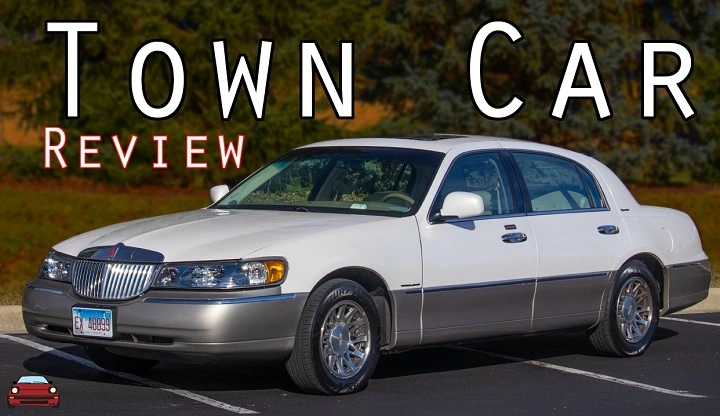
If you’re drawn to the 2000 Lincoln Town Car, you’re probably craving something today’s crossovers forgot—quiet confidence. A long hood. A cabin that exhales. Seats that don’t rush you. This car does not apologize for being a big, old-school American luxury sedan. Rear-wheel drive. Body-on-frame strength. A smooth 4.6-liter V8. It floats, it glides, it makes long miles feel short. In this guide, we’ll cover what this model year is, which trims make sense, how it drives, common issues to watch, smart upgrades that preserve the magic, and an easy pre-purchase checklist. Short sentences. Clean rhythm. Warm tone. Let’s get you the right car.
What the 2000 Town Car Is—And Why It Matters
Old-school hardware, stress-free manners
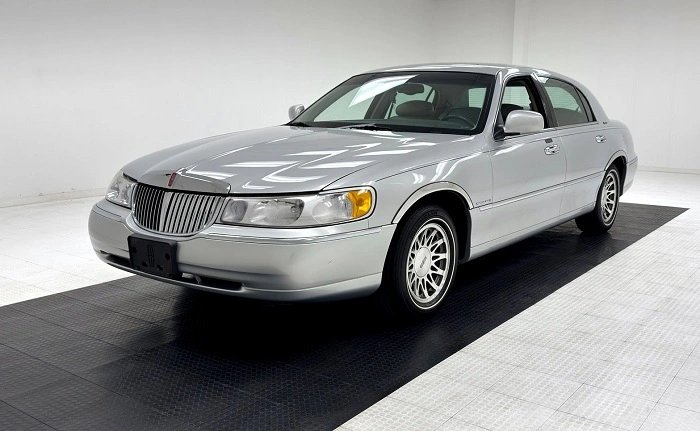
You’re looking at the Panther platform—body-on-frame, rear-wheel drive, a 4.6L SOHC V8, and a 4-speed automatic. No turbo. No drama. The transmission prefers gentle inputs and rewards smooth driving. The structure is tough and repair-friendly. If you grew up in taxis and livery sedans, you know the feeling: steady, unbothered, durable.
The 2000 sweet spot
This model sits after the late-’90s redesign and before the 2003 steering/frame refresh. That means traditional recirculating-ball steering feel (easy, light, a bit relaxed on-center) and the classic interior vibe—big bench, column shifter available, genuine stretch-out space. It’s the Town Car many people picture when they hear the name.
Trims and Personalities
Executive
Often the fleet favorite. Simpler equipment, cloth or leather depending on spec, and usually the best value on the used market. If you want calm miles and low cost of entry, start here.
Signature
More toys, more comfort: upgraded leather, memory seats, nicer audio, and convenience features that make daily use feel rich. A sweet spot for private owners.
Cartier
Top-shelf. Softer leather, additional trim touches, more insulation, more features. If you want the classic luxury experience exactly as Lincoln imagined it, Cartier is the “hotel lobby” spec.
Long-Wheelbase “L” versions
Extra inches stretch the rear legroom and lengthen the rear doors. These show up as Executive L or Cartier L (naming varies in the early 2000s). If you chauffeur family, clients, or simply love the lounge-in-back feeling, the L cars are serene.
(Trim equipment can blur with options over 20+ years. Buy the car you see, not the brochure in your head.)
How It Drives
Ride and isolation
Soft, quiet, composed. Many cars have rear air suspension from the factory, which smooths broken pavement and keeps ride height tidy. The Town Car likes 55–75 mph, where it settles into a gentle lope and the cabin hushes.
Steering and handling
Recirculating-ball steering is light and relaxed. Not sporty. That’s the point. With healthy bushings and good tires, it tracks straight and resists crosswinds better than you’d expect. It glides, not darts.
Brakes
Confidence for everyday driving. Smooth stops fit the car’s personality. Keep quality pads and rotors on it and the pedal feels right.
Highway manners
This is its stage. You hear your thoughts. You have conversations. You notice trees again. It’s the kind of car that makes you take the long way home.
Living With One (The Practical Bits)
- Space: The trunk is famously huge. Luggage, strollers, golf bags—bring them all.
- Comfort: Wide seats, soft leather, big glass. Visibility is generous.
- Fuel: It’s a big V8 sedan—expect decent highway numbers, modest city numbers.
- Insurance/parts: Usually friendly. Panther parts are common, affordable, and well-documented.
- Tech level: Simple by modern standards. Fewer gadgets means fewer gremlins.
Common Issues (Honest and Fixable)
Rear air suspension leaks
Air springs, lines, or the compressor age out. Clues: rear end sags overnight, compressor runs a lot, or the car sits lopsided. Fix with quality air bags/lines or convert to coils if you prefer simplicity. Air rides are nicer; coils are “set-and-forget.”
Intake manifold cracking (composite era)
Early composite intake manifolds on these Fords can crack around the coolant crossover/thermostat area. Many cars have already been updated to the revised manifold with an aluminum crossover. Look for a clean, metal crossover and dry thermostat housing. Any sweet coolant smell or dampness on the intake? Budget to update it.
HVAC blend door actuator
Clicking behind the dash or stubborn temperature control points here. Common, not scary. Replace and enjoy proper hot/cold again.
Lighting Control Module (LCM)
Random headlight behavior or lights cutting out? The LCM is a known Panther quirk. Rebuild or replace. Easy win.
Window regulators and door lock actuators
Slow windows or doors that ignore the switch are usually these parts. Straightforward jobs with plentiful replacements.
Steering/front end wear
Idler arm, pitman arm, tie-rod ends, control arm bushings—age dries rubber. If the car wanders or clunks, refresh the front end and align. The transformation is real.
Transmission shudder (torque converter clutch)
A light shudder at 35–50 mph under gentle throttle often means old or wrong fluid. These transmissions like the correct spec fluid and regular service. Address it early and it usually goes away.
Cooling system aging
Radiators, hoses, plastic fittings—time wins. Preventative replacement beats roadside drama. Keep the needle steady.
Rust in the usual places
If you shop in the rust belt, inspect rocker panels, rear wheel arches, trunk seams, and brake lines. A solid body and lines are worth paying for.
Pre-Purchase Checklist (Screenshot This)
- Overnight stance: Park it, return next day—does the rear sag?
- Compressor behavior: Constant cycling suggests leaks.
- Cooling system: Look for clean coolant, no dampness around the intake crossover.
- Steering/ride: Highway test—should track straight with small inputs, no wander.
- Transmission: Smooth upshifts, no shudder in light overdrive.
- HVAC: Hot to cold on both sides without clicking.
- Windows/locks: All smooth and consistent.
- Lights: No flicker; headlamps stable; all exterior lights respond.
- Brakes: No pulsing, no long pedal.
- Rust: Rockers, arches, trunk seams, underbody lines.
- Records: Look for fluid services, suspension work, intake update, and air-ride repairs.
A calm highway drive and a patient walk-around tell the truth.
Maintenance That Pays You Back
- Fluids on schedule: Engine oil, transmission, differential, coolant, brake fluid. Simple car, simple wins.
- Tires and alignment: Quality tires + fresh alignment make it feel new.
- Front-end refresh: Bushings, idler/pitman arms, and tie-rods restore on-center serenity.
- Intake/cooling health: If not already updated, do the intake with aluminum crossover and renew hoses.
- Air suspension care: If you keep air, fix tiny leaks early. The reward is that signature glide.
Light Mods That Keep the Magic (Not Change It)
Police-spec sway bars + quality dampers
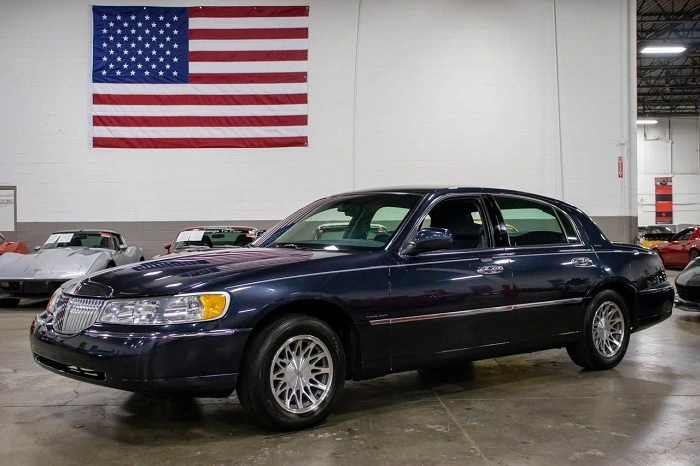
A classic Panther upgrade: slightly thicker sway bars (think Crown Vic Police) and well-valved shocks. Results: less float in crosswinds, same plush ride.
Subtle exhaust refresh
New factory-style components keep it quiet and warm. If your system is tired, restoring it makes the car feel expensive again.
Transmission cooler/service
Clean fluid and, if you tow or live in heat, an auxiliary cooler help prevent shudder and extend life.
Stereo modernization
Hide Bluetooth/CarPlay behind a stock look. Keep the dash calm; add 2025 convenience.
Air-to-coil conversion (if you must)
Coils trade a bit of velvety feel for simplicity. If parts sourcing is hard where you live, coils make sense. Otherwise, healthy air suspension is special—keep it if you can.
Ownership: Daily Life, Road Trips, City Use
- Commuting: You’ll arrive less tired. The car makes traffic feel gentler.
- Road trips: This is the reason to own it. The hours compress. Conversations come back.
- City life: It’s big, but visibility is good and steering is light. Mind the length, and you’re fine.
- Costs: Fuel is the main tradeoff. Parts, insurance, and labor are usually friendlier than same-era luxury imports.
Who Should Buy a 2000 Town Car?
- You value calm more than cornering.
- You want simple, proven mechanicals and easy parts.
- You love road trips and quiet cabins.
- You have room to park a full-size sedan.
- You smile at a column shifter and a front bench seat.
Who Shouldn’t
- You want a sport sedan. Wrong tool.
- You need modern driver-assist tech. This is pre-everything.
- Your parking life is tight alleys and micro garages. Size matters.
No judgment—different needs, different keys.
Buying Strategy
Condition over trim
A clean Executive beats a rough Cartier every day. Leather care, smooth driveline, healthy suspension—that’s what you’re paying for.
Fleet history can be a plus
Highway miles, regular services, meticulous records. Don’t fear the badge; inspect the car.
Test a few
You’ll feel the right one. It tracks truer, idles calmer, and breathes easier.
Rituals That Keep It Great
- Monthly tire pressures, including the spare
- Quarterly hand wash and leather conditioning (gentle, not shiny)
- Annual alignment if your roads are rough
- Small notebook in the glovebox—dates, fluids, parts, notes
Consistency is the secret. The car will return the favor with uneventful years.
The Feel—Because Feel Is Why You’re Here
Close the door. That soft, heavy thump. Settle into a seat that forgives your day. Turn the key. The V8 doesn’t bark; it murmurs. Ease away. The world quiets. Traffic still exists, but it doesn’t get inside you. The Town Car makes time feel generous. That’s the point.
Frequently Asked Questions (FAQs)
Is the 2000 Lincoln Town Car reliable?
Yes—when maintained. The platform is famously durable. Keep fluids fresh, address intake/cooling health, and refresh worn suspension bits. It will do big miles calmly.
What’s the biggest thing to check before buying?
Rear air suspension health and the intake manifold update. Do the overnight sag test, listen for the compressor, and inspect for coolant seepage around the intake crossover.
How bad is fuel economy?
It’s a full-size V8 sedan. Expect modest city numbers and decent highway numbers thanks to relaxed gearing. The tradeoff is serenity.
Can it be a daily driver today?
Absolutely. Parts are plentiful, the cabin is comfortable, and it loves freeway life. Add a discreet Bluetooth upgrade and enjoy.
Air ride or coil conversion?
If you love the signature float and can source parts, keep air. If you want simplicity above all else, coils are fine. Use quality components either way.