

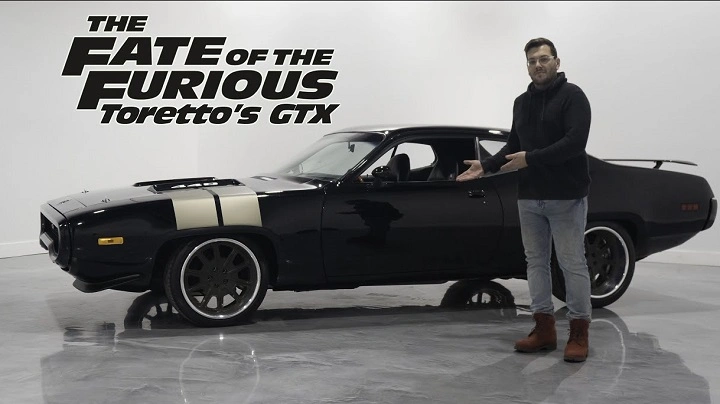
Type gtx car into a search bar and two paths appear. One is pure muscle: the Plymouth GTX, the “gentleman’s hot rod” built from 1967 to 1971. Big engines. Clean lines. Calm menace. The other is modern marketing—“GTX” as a sporty trim badge on a few current models, especially in Europe. Both matter, but most enthusiasts mean Plymouth when they say gtx car. This guide gives you the whole picture: a quick history, model-year differences, engines, driving feel, what to check before buying, smart upgrades that keep the soul, and a short note on today’s GTX badges. Short sentences. Clear rhythm. Warm tone.
What “GTX Car” Means—Fast Definition
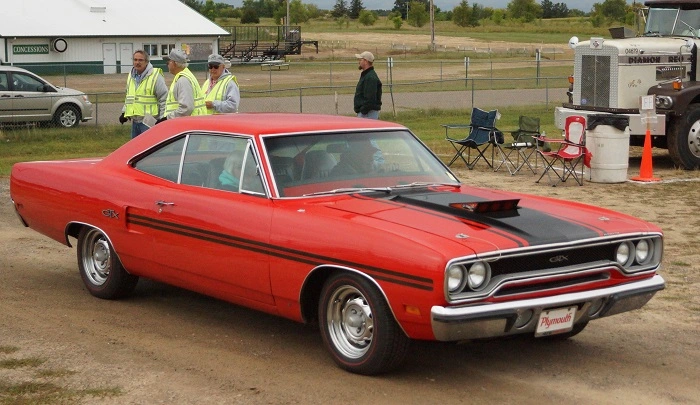
The original GTX was Plymouth’s upscale performance B-body. Think Belvedere/Road Runner bones, dressed sharper, powered harder. A muscle car you could take to dinner without smelling like tire smoke. Standard big-block. Optional Hemi. Quiet swagger.
Timeline at a Glance
- 1967: Debut. Belvedere-based, formal grille, standard 440 “Super Commando,” optional 426 Hemi.
- 1968–1970: Coke-bottle curves arrive with the redesigned B-body. Road Runner steals headlines; GTX stays the refined, powerful elder.
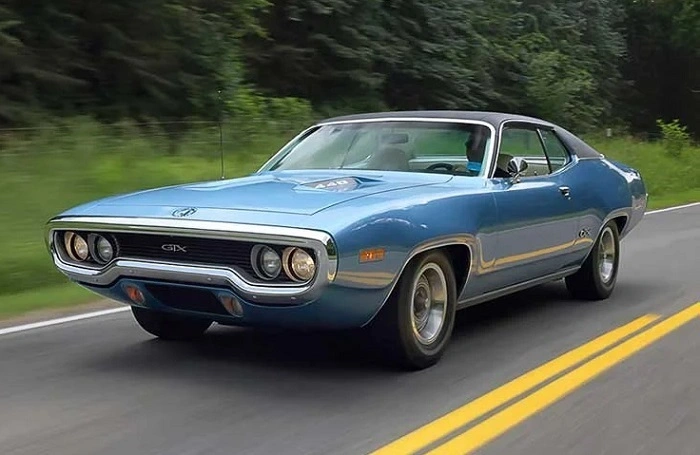
- 1971: Last year. New fuselage styling, tighter engine choices, insurance and emissions storm brewing. Curtain call.
That’s the arc. Short, bright, unforgettable.
Why the Plymouth GTX Stood Out
The “gentleman’s hot rod” brief
Road Runner was bare-knuckle fun. GTX added polish—better trim, more standard features, and usually more motor from the start. It was the dress shirt over the same strong shoulders.
Power as default, not option
Most muscle cars made you tick boxes for the big engine. The GTX started big and let you go bigger. The message was simple: no half measures.
Balance
Firm without brutal. Fast without being frantic. Comfortable enough to cross states. The gtx car philosophy was power you could live with.
Model-Year Guide: What Changed, What to Look For
1967 GTX (Belvedere-based, clean and squared)
Angular, tidy, with a grille that looked confident, not loud. Standard 440. Optional 426 Hemi. Interiors leaned upscale. If you like crisp lines and early muscle, this is your year.
1968 GTX (all-new shape, flowing fenders)
The B-body gained hips and swagger. The GTX sat above the new Road Runner with more standard equipment. Hood scoops, tasteful badges, and the same serious engine room.
1969 GTX (refinement and detail)
Small styling tweaks, steady drivetrain choices. The 440 remained the workhorse; the Hemi remained the legend. If you want the sweet spot between new styling and mature engineering, ’69 delivers.
1970 GTX (bolder face, big attitude)
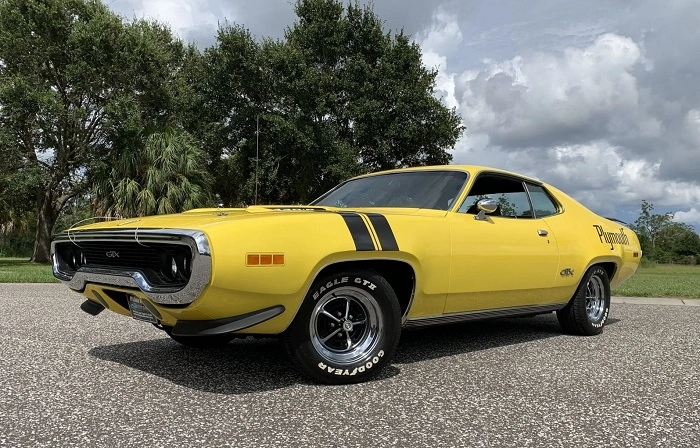
Sharper nose, great colors, period graphics. The lineup peaked visually here for many fans. Performance options are still broad. A beloved year for restorations.
1971 GTX (fuselage curves, last dance)
New body, more aerodynamics, a different vibe. Tastes vary. Some love the flowing lines; others miss the earlier muscle stance. Scarcer, interesting, and final.
Engines, Gearboxes, and Axles
440 “Super Commando” (RB big-block)
The GTX’s calling card. Torquey. Reliable. Street-friendly. It makes effortless speed with a gentle right foot and turns mean with a deeper press. For real-world driving, this is perfection.
426 Hemi (the headline)
Aluminum heads. Cross-bolted caps. Race DNA. Idles like it means it. When sorted, it’s thunder. When neglected, it’s touchy. If you chase the myth, budget for the reality: tuning, cooling, and premium parts.
Six-Barrel (1970-ish availability varies by model)
Three two-barrel carbs on a 440—“Six Pack” at Dodge, “Six Barrel” at Plymouth. Huge midrange, great sound. A wonderful compromise between street manners and theater.
Transmissions
- Torqueflite 727 automatic: Strong, smooth, nearly unkillable with maintenance. A GTX staple.
- 4-speed manual with Hurst shifter: Rowing your own adds ceremony. Inspect clutch, linkage, and rear axle ratio for highway sanity.
Rear axles
- 8¾-inch: Common, stout for most builds.
- Dana 60: Often paired with Hemi/manual cars. Overbuilt in the best way.
Gears shape the car’s personality. A short gear feels fast around town; a taller gear saves your ears on the interstate.
Suspension, Brakes, and Wheels
Torsion bars up front, leaf springs out back. Simple, tough, easily refreshed. Many GTX cars were optioned with front discs; if yours has drums, a tasteful disc conversion is a safety upgrade you’ll feel at the first stop sign. Period-correct 14/15-inch wheels look right; modern radials in stock sizes transform the ride without ruining the stance.
How a GTX Feels to Drive Today
Big wheel. Long hood. Torque right off idle. The car doesn’t pounce; it flows. A healthy 440 will push you into the seat without drama and cruise at modern highway speeds with a calm heartbeat. Steering is light by today’s standards. Body roll exists, but it’s honest. Treat it like a grand tourer with a mean streak, not a track toy, and you’ll fall in love.
Buying Guide: What to Check, What to Value
Paper trails and identity
- VIN and fender tag: Do they match and decode as a real GTX, not a clone?
- Broadcast sheet/build sheet: Gold if present. Confirms original options.
- Numbers-matching engine/trans: Premium value for collectors. If you’re driving more than showing, a correct-but-not-original drivetrain can be fine.
Rust and structure
- Lower quarters, trunk floor, rear wheel arches: Mopar hotspots.
- Torsion-bar crossmember and frame rails: Critical. Soft here equals big money.
- Cowl, windshield channel, drip rails: Water finds these first.
Mechanical health
- Oil pressure and temp: Stable readings.
- Compression/leak-down: Tells the truth about rings and valves.
- Carb and ignition: Smooth hot restarts, clean idle, no fuel stink in the garage.
- Brakes and steering: Confident stops, no wandering. Slop at the wheel means front-end work.
Electrical
Old harnesses get brittle. Inspect grounds, bulkhead connectors, headlight circuits. A gentle, tidy rewire beats chasing ghosts for months.
Interior and trim
Brightwork, badges, and GTX-specific pieces matter. Missing details are findable but time-consuming. A complete, sun-loved interior is easier to refresh than a cracked, picked-over one.
Original vs Restomod: Choose Your Path
Original/survivor
Numbers matching, period-correct finishes, light sympathetic maintenance. Highest collector ceiling. Drives like 1970—charming, slightly loose, full of soul.
Restomod
Stock looks, hidden upgrades: better brakes, modern shocks, electronic ignition, aluminum radiator, discreet stereo, maybe fuel injection. Daily-friendly without erasing character.
There’s no wrong answer. Be clear about your goal and buy accordingly.
Smart, Invisible Upgrades
- Front discs (if not equipped) and a dual-circuit master cylinder
- Quality shocks matched to stock torsion bars and springs
- Radial tires in stock-ish sizes with proper alignment specs
- Electronic ignition (reliable spark, stock appearance if you want)
- High-efficiency radiator and fan clutch (Hemi or Six-Barrel owners nodding)
- Seatbelts with modern webbing; add rears if you plan family rides
These keep you safer and saner without changing the car’s face.
Costs, Parts, and Community
Mopar parts support is strong. Sheet metal, interior pieces, emblems, and mechanicals are widely reproduced. Originals still command a tax, especially Hemi-specific bits. Insurance is reasonable under classic policies. The real cost is care: fluids, torque checks, bushings, and a carb that’s actually tuned. The reward is enormous—cars-and-coffee crowds know what a GTX is, and they’ll tell you stories about the one that got away.
Modern “GTX” Badges: A Quick Note
You’ll see GTX today on a few sporty trims, notably Volkswagen’s ID.4/ID.5 GTX in Europe (their performance EV branding). Different mission, same idea: extra punch and style. Nice to know. But when enthusiasts say gtx car with starry eyes, they mean Plymouth.
Sample Build Ideas (So You Can Picture It)
Classic Cruiser
’69 GTX 440 with a stock Carter carb, Torqueflite, factory front discs, radial tires on rally wheels, hidden Bluetooth behind an original radio face. Quiet exhaust. Long-weekend perfect.
Muscle Memory
’68 GTX, 4-speed, 3.55 Dana 60, Six-Barrel setup, electronic ignition, aluminum radiator, modern shocks. Looks OEM, feels alive. Sounds like summer.
Show-and-Go Hemi
’70 GTX, 426 Hemi, concours-level trim, careful heat management, and a subtle brake upgrade. You don’t just drive it—you present it.
Pre-Purchase Checklist You Can Screenshot
- VIN vs fender tag vs title
- Rust: quarters, trunk, torsion-bar crossmember, rails
- Suspension play, steering slop, brake pull
- Hot restart behavior, idle quality, fuel odor
- Cooling under load (no creeping needle)
- Electrical: lights, signals, charging voltage
- Interior completeness: dash pad, console, badges
- Documentation: build sheet, receipts, engine/trans stamps
A calm, patient inspection saves years.
Living With a GTX in Real Life
- Start ritual: Two pumps, key, listen. Warm it fully.
- Fuel: Buy from clean stations. Old tanks shed rust; filters are cheap insurance.
- Storage: Battery maintainer, breathable cover, tire blocks to prevent flat-spotting.
- Driving: Give the brakes a beat at the end of the driveway. Let fluids settle in. Then enjoy the big torque and easy stride.
- Community: Join a Mopar club. Parts, advice, and good roads appear faster with friends.
FAQs
Is a 440-powered GTX easier to live with than a Hemi?
Yes. The 440 is simpler, cheaper to maintain, and wonderfully torquey. The Hemi is special but asks more of your wallet and patience.
How do I tell a real GTX from a clone?
Check the VIN, fender tag, and build sheet. GTX-specific codes, trim, and standard big-block equipment should align. When in doubt, consult a Mopar decoder or marque expert.
Are disc brakes a must-have?
For regular driving, yes. Factory discs or a tasteful conversion make a huge safety difference without ruining originality.
What rear gear is best for road trips?
Something in the 3.23–3.55 range keeps highway revs calm. Deeper gears feel quick around town but buzz on the interstate.
Is ’71 a bad year because it’s last?
Not at all. It’s different—fuselage styling, changing regulations—but it’s rare, interesting, and still very much a GTX.