

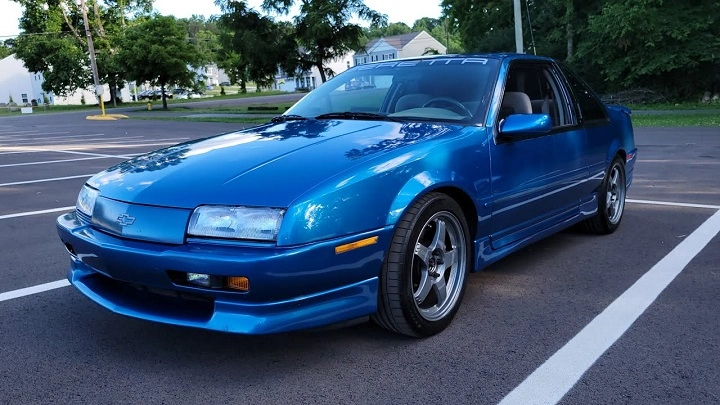
Type a beretta car into a search bar and you’ll hit a swirl of nostalgia: sloped hatch-like roofline, poppy ’90s colors, and a coupe that tried to be both practical and fun. Under the badge it’s the Chevrolet Beretta, sold from the late ’80s through the mid ’90s, a front-drive two-door that shared bones with the Corsica but wore sportier clothes. Today, it’s a time capsule—simple, light on tech, honest about what it can do. This guide is your warm history, trims, engines, how it drives, what breaks, what to check, and whether the beretta car deserves a spot in your garage.
What Exactly Is the Beretta Car? A Quick History
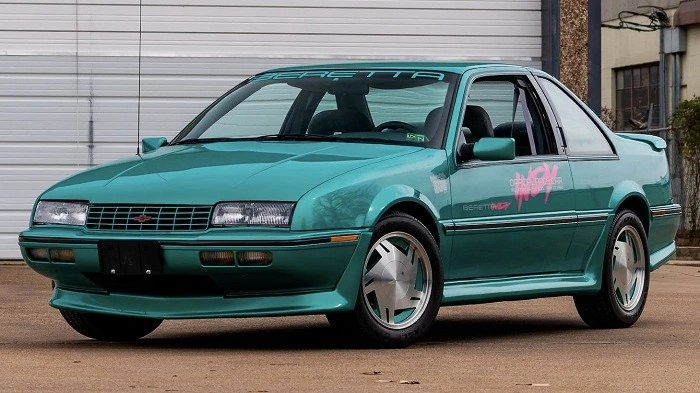
Chevrolet launched the Beretta for shoppers who wanted a sleek, budget-friendly coupe without the insurance sting of a rear-drive muscle car. Think commuter during the week, date-night decent on the weekend. It ran for roughly a decade, got a handful of special editions, even brushed shoulders with Indy branding. The recipe: front-wheel drive, simple suspension, roomy trunk for a coupe, and enough styling attitude to feel sporty in the parking lot.
Trim Guide: From Sensible to Spicy
The beretta car wore a surprising number of flavors over the years. Here are the ones you’ll see in classifieds:
- Base / CL / later “LE” or “LT” style trims
The everyday commuter. Cloth seats, simple gauges, four-cylinder power most of the time, automatic transmission common. If you want the cheapest entry into Beretta ownership, this is it.
- GT
The “I want a little more” package. Body aero bits, alloy wheels, firmer suspension tune, and often a V6. A sweet spot for buyers who want usable pace without chasing scarce parts.
- GTU (late ’80s)
Short-run appearance and handling package that leaned into the touring-car look—think ground effects, wheels, decals. Not the quickest in a straight line today, but collectible because of the vibe.
- GTZ (early ’90s hero)
The enthusiast trim. Lighter nose thanks to a four-cylinder with real lungs, a proper manual gearbox, and suspension tuning that made back roads smile. If you hear someone wax poetic about a beretta car, they’re often remembering the GTZ.
- Indy / Pace Car flavor
Tie-in graphics and trim nods to the Month of May. Special without going full unicorn.
- Z26 (mid-’90s)
A later-run sport model that replaced the GTZ, typically with a V6 and cosmetic updates. Easier to find than a pristine GTZ, still gives the full ’90s coupe experience.
- Ultra-rare convertibles
Not a regular production thing—coachbuilt pace-car style conversions. Interesting for collectors who chase oddities.
Engines and Transmissions: What Lived Under the Hood
The beretta car lineup bounced between durable fours and friendly V6s. Expect to see:
- Early 2.0-liter and later 2.2-liter inline-four
Honest, simple, happiest at a cruise. Great for a daily that sips fuel and doesn’t mind traffic.
- 2.8/3.1-liter V6 family (later 3100 SFI)
The everyman upgrade. Smooth, torquey around town, pairs well with the automatic. Plenty of used parts around because GM made a zillion of them.
- 2.3-liter high-output four in the GTZ
The enthusiast picked back in the day. Revvier personality, best with the 5-speed manual. It gave the Beretta car a genuine bite when new.
- Transmissions
Automatics were common—early 3-speed in base cars, later 4-speed overdrive in many trims. Manuals showed up in the sportier variants; if you find a clean 5-speed, take it for a drive and try not to grin.
How the Beretta Car Drives (Then and Now)
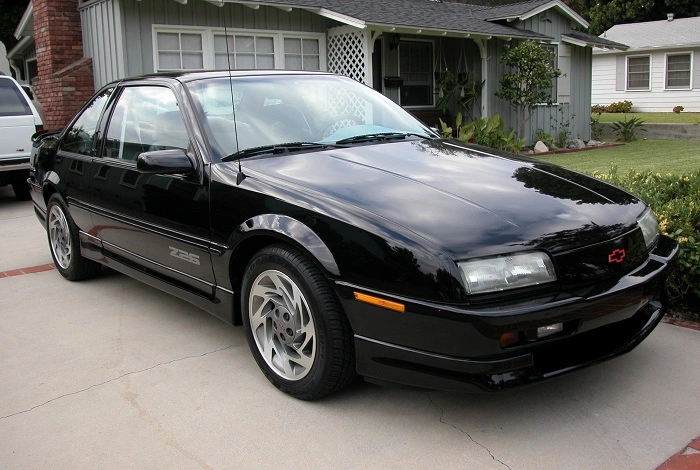
Set your expectations right and you’ll be surprised. Steering is light, visibility decent, and the car feels smaller than modern coupes bloated by safety tech. The front strut and rear beam setup is simple, predictable, and forgiving. A V6 automatic is all about relaxed torque and relaxed commutes. The GTZ-style four-cylinder manual wants to be revved; it rewards smooth inputs. On today’s roads, a healthy beretta car delivers cheerful normalcy at 35 mph and endearing throwback energy at 55 on a twisty two-lane.
Common Quirks and What to Check Before You Buy
Age is the real opponent. Go slow through these checkpoints:
- Body and paint
Period GM paint could peel if neglected. Inspect roof, hood, and trunk for clear-coat failure. Check lower doors, rocker panels, rear wheel arches, and trunk seams for rust bubbles.
- Cooling and gaskets
On higher-mile fours, listen for top-end noise and check for coolant seepage. On V6 models, watch for moisture or oil near intake gasket areas and around hose junctions. Overheating kills old cars—make sure fans cycle on and the radiator isn’t clogged.
- Electrical odds and ends
Power window regulators, door-lock actuators, and instrument backlighting can get fussy. None are exotic fixes, but parts condition matters.
- Suspension and alignment
Clunks over bumps mean tired strut mounts or bushings. A rear beam that’s been curbed will chew tires. Expect to budget for fresh struts, mounts, and an alignment on any new-to-you beretta car.
- Brakes and lines
Old hard lines can rust in winter states. Look for wetness on the inside of wheels and along the frame rails. Soft pedal? Plan a full bleed and possibly new rubber hoses.
- Interior plastics
Sun does what sun does. Dash top, upper door panels, and seat fabric need a close look. Good interiors are a huge win; finding pristine trim later can take time.
- Transmission behavior
Automatics should shift cleanly without flare; manuals should engage first and reverse easily with no grinding. A vague shifter can be bushings or linkage, not necessarily a gearbox death sentence.
Parts and Maintenance: Will You Find What You Need?
Yes—with a little patience. The powertrain bits are common across broader GM families, so plugs, belts, sensors, hoses, filters, and most brake parts are easy. Trim pieces, GTZ-specific items, body seals, and factory aero bits take hunting. Join marque groups, set alerts, and say yes quickly when the right piece appears. The beretta car rewards owners who build a small network.
Mod Potential: Light, Fun, Sensible
The platform likes modest upgrades:
- Suspension
Fresh OEM-plus struts and quality springs transform the car. Add thicker sway bars and good tires, and you’ll feel the chassis wake up.
- Brakes
Fresh pads, rotors, and braided lines give a firmer pedal. Some owners mix-and-match GM parts for larger front rotors; research your year before shopping.
- Wheels and tires
A tasteful 15- or 16-inch wheel with a modern performance tire is the single biggest feel upgrade you can make on a street beretta car.
- Intake and exhaust
Don’t chase noise; chase drivability. A clean airbox, healthy sensors, and a quiet, quality exhaust make the car nicer every mile.
- Swaps
If you’re ambitious, newer-era GM V6 or revised four-cyl options have been done. It’s a rabbit hole; budget for mounts, wiring, and tuning time.
Fuel Economy and Everyday Costs
Driven gently, four-cylinder models can flirt with mid-20s mpg in mixed use and higher on the highway. V6 versions are typically a bit thirstier in town but comfortable on long drives. Insurance is usually friendly thanks to age and parts availability. The big saver is simplicity: no complex turbos, no expensive adaptive suspensions, no luxury electronics to haunt you. A beretta car thrives on basic fluids, filters, tires, and brakes.
Values and Collectibility: What’s Worth Chasing
Clean, low-mile survivors are moving from “cheap beater” to “worthy nostalgia.” Standout targets include:
- GTZ manuals
Lighter nose, revvier personality, proper pedals. Good ones get snapped up fast.
- Z26 in great cosmetic shape
Later styling, V6 comfort, easier to live with as a daily classic.
- GTU and Indy-style packages
For collectors who love period graphics and aero. Buy for condition first, then pedigree.
- Oddball convertibles
Rare, story-rich, and conversation starters at any meet. Buy only if documentation is strong and the conversion quality is solid.
Generally, pay for conditions. A straight, rust-free body with a clean interior will always beat a rough “rare” trim that needs paint, plastics, and a full mechanical refresh.
The Beretta Car in the Culture
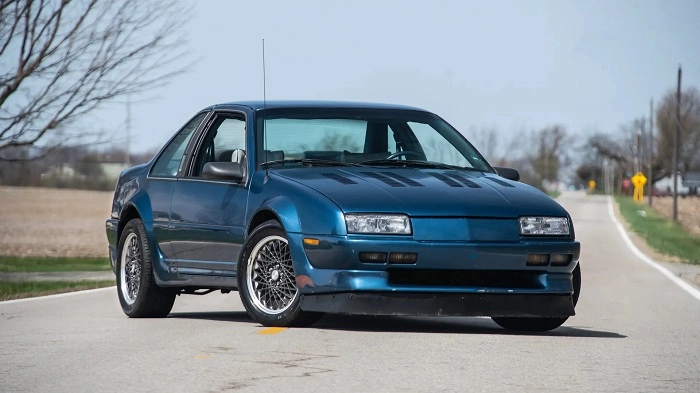
The look is pure era: long doors, sloped rear glass, bright wheel finishes, and decals that shout weekend energy. It starred in driveways, not movies; in high-school parking lots, not racetracks. That’s its charm. It was attainable dream-car energy for ordinary life. Owning one today taps that same feeling—approachable fun without pretense.
Should You Buy One? A Simple Decision Tree
- Do you want an easy, nostalgic commuter with a manual option? Look for a GTZ or a base four with a 5-speed.
- Do you want relaxed torque and comfy highway miles? A well-kept V6 automatic fits.
- Are you allergic to parts hunting? Choose the cleanest, most original beretta car you can find; avoid missing trim.
- Is this my first classic? Budget for fluids, tires, struts, belts, and a full brake service right away. You’ll start ownership on solid ground.
Pre-Purchase Checklist You Can Screenshot
- Cold start: even idle, no warning lights, fans cycle
- Cooling system: steady temps, clean coolant, no sweet smell
- Transmission: smooth shifts, no slip or grind
- Suspension: quiet over speed bumps, straight braking
- Rust: rockers, rear arches, strut towers, trunk seams
- Interior: dash top, door cards, seat fabric, headliner
- Paperwork: maintenance records, VIN tags on panels, clean title
Living With a Beretta Car: The Day-to-Day
It’s easy to park, easy to wash, and simple to wrench. You’ll learn its favorite sounds and routes. People will smile at gas stations and tell you about the one they had in teal. You’ll find yourself taking the long way home. That’s the quiet magic—this is a car that turns ordinary errands into nostalgic little drives.
FAQs
Is the Beretta rear-wheel drive?
No. The beretta car is front-wheel drive across the lineup, which makes it stable in bad weather and simple to maintain.
Which trim is the best all-around pick today?
A clean GTZ for driver involvement or a pampered Z26 for easy power and comfort. Choose the best condition you can afford.
Are parts still available?
Yes for maintenance items and most mechanicals. Trim and model-specific bits take patience. Join owner groups and set alerts.
What’s a fair first-year budget after buying?
Plan for fluids, tires, brakes, and suspension refresh. A realistic starter budget keeps surprise repairs from stealing joy.
Can a Beretta be a daily driver in 2025?
Absolutely, if you start with a solid car and keep up with simple maintenance. It’s a light, honest commuter with throwback charm.