

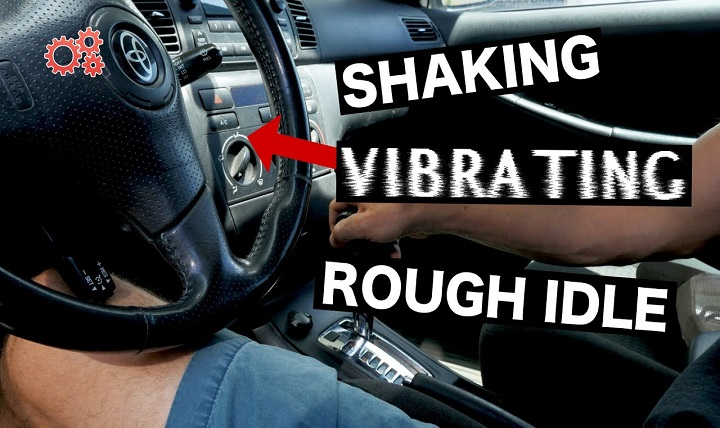
Ever sat in your car, waiting at a red light, when suddenly you feel like you’re riding a coin-operated massage chair? Your steering wheel’s doing a little dance, the seat vibrates just enough to make you nervous, and the engine sounds… off. But then—voilà!—you hit the gas, and like magic, everything smooths out. What gives?
If this sounds familiar, don’t panic just yet. It might not be the end of the world (or your engine). Let’s dig into why your car shakes at idle but behaves like a charm when you’re cruising. We’ll unpack the possible causes, what you can do about it, and whether you should worry—or just keep rolling.
That Shaky Feeling: Is It Really a Big Deal?
First things first—yes, it can be normal for cars to vibrate a little at idle. But when that shaking starts to feel more like a mini-earthquake, it’s your car’s way of saying, “Hey, something’s not right under the hood!”
And sure, it’s easy to ignore when everything feels smooth once you’re moving. But ignoring this can sometimes mean missing early signs of bigger issues. So let’s not sweep it under the floor mat.
Let’s Start at the Heart: Engine Misfires
What’s a Misfire, Anyway?
Imagine trying to jog with one leg giving out every other step. That’s basically what happens during an engine misfire. The engine’s cylinders aren’t firing properly, and the result? Shaking, sputtering, and all-around weirdness at idle.
Why It Smooths Out While Driving
When you accelerate, your engine works harder and faster. That increased power can mask some of the misfiring symptoms—kind of like how a limp is more noticeable when you walk slowly than when you’re sprinting.
Common Culprits Behind Misfires
- Bad spark plugs – Yep, those tiny guys are more important than they look.
- Worn ignition coils – These deliver voltage to the plugs; if they’re dying, performance suffers.
- Dirty or faulty fuel injectors – They might not be giving your engine the fuel it needs.
Pro tip: If your check engine light’s been throwing a party lately, a misfire could be why.
Mounting Problems—Literally: Engine Mount Issues
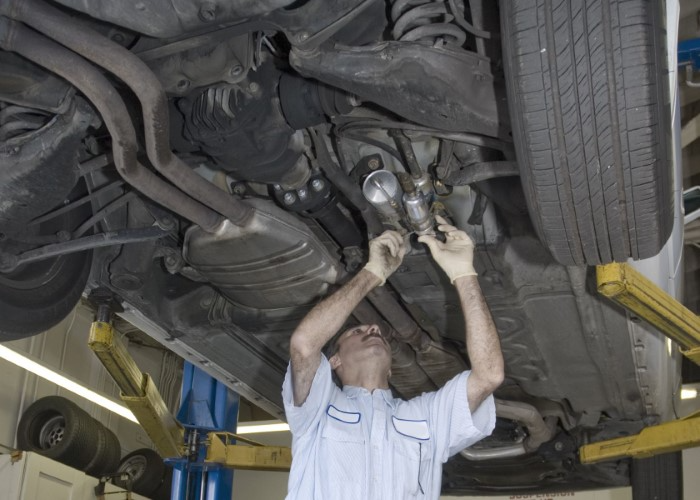
What Are Engine Mounts?
Think of engine mounts as cushions that hold your engine in place while absorbing vibrations. They’re like the shock absorbers of the engine world.
Why Shakes Show Up at Idle
When your car is idling, the engine’s doing its thing with minimal momentum. If one or more of the mounts is worn or broken, you’ll feel it—big time. But when you’re moving? The car’s forward motion helps balance things out, so the shaking seems to vanish.
Signs Your Mounts Might Be Toast
- Shaking only happens at idle
- Clunking or banging sounds when shifting gears or accelerating
- You can literally see the engine move too much when idling
Been there. Once had an old Corolla that shook so bad at lights, I used to brace myself like I was about to lift off.
Vacuum Leaks: The Sneaky Offenders
What’s a Vacuum Leak?
Engines rely on a precise mix of air and fuel to run smoothly. A vacuum leak is like a straw poking a hole in that balance. Extra air sneaks in, throws off the fuel-air ratio, and voilà—rough idle.
Common Leak Spots
- Cracked hoses
- Faulty intake manifold gaskets
- Leaky brake boosters
This one can be frustrating ‘cause the car might still drive okay, but idle like it’s got the hiccups. If you smell something funky or hear a hissing noise, this could be your culprit.
Dirty Business: Clogged or Grimy Fuel Systems
Idle vs. Driving Dynamics
At idle, your car depends on a nice, steady flow of fuel and air. If anything’s clogged—like the fuel injectors, air filter, or throttle body—you’ll get inconsistent combustion, which feels like vibration or shaking.
Once you’re driving, the higher RPMs push more air and fuel through the system, kind of bulldozing past the gunk… temporarily.
DIY Cleaning Tips (If You’re Feeling Brave)
- Use fuel system cleaner additives
- Clean or replace the air filter
- Wipe down the throttle body (with proper cleaner, please!)
It’s amazing how many issues vanish with just a little cleaning. Like giving your car a good detox.
Idle Control Valve: The Forgotten Hero
What It Does
The idle air control valve (IAC) is like the conductor of an idling orchestra. It manages how much air enters the engine when you’re not pressing the gas pedal.
What Happens When It Fails?
If the IAC valve gets stuck, dirty, or goes kaput, the engine can’t keep a steady idle speed. Cue the shaking.
Cleaning it can sometimes do the trick. Replacing it isn’t usually too pricey, but diagnosing it can be tricky without a scan tool.
Exhaust Issues: When It’s Not Just Hot Air
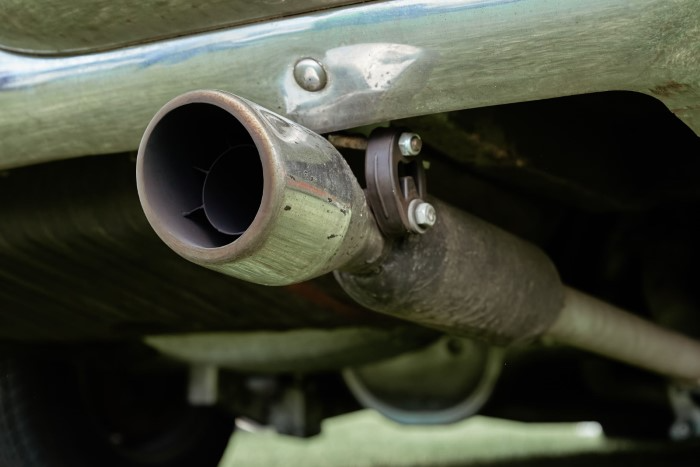
A restricted or leaking exhaust system can lead to rough idling too. Things like:
- Leaky manifold gaskets
- Cracked exhaust pipes
- Clogged catalytic converters
These disrupt engine performance at low speeds or idle. You might also notice poor fuel economy or a rotten egg smell (yum…).
Transmission Trouble? Maybe, but Not Always
It’s rare, but sometimes transmission issues—especially in automatics—can cause shaking at idle. Usually, this comes with other signs like hard shifts or slipping gears. So if you’re experiencing a combo platter of issues, it’s worth checking the transmission fluid and having a pro look it over.
When to Worry (And When to Chill)
Let’s be real—some things can wait, but others? Not so much.
🚨 Red Flags That Need Immediate Attention
- Engine light blinking (not just on—blinking)
- Strong gas smells
- Excessive shaking that gets worse over time
- Sudden drops in fuel economy
😌 Signs You Can Monitor for a Bit
- Mild, occasional vibration only at idle
- No engine lights or other symptoms
- Happens only in cold weather (might be normal warm-up behavior)
What Can You Do Yourself?
Let’s not sugarcoat it—some of these fixes are better left to a mechanic. But if you’re handy and love a weekend project (or just enjoy pretending you’re in a Fast & Furious montage), here’s what you can try:
DIY Checklist
- Check and replace spark plugs
- Look for obvious vacuum hose cracks
- Clean throttle body and air intake
- Add fuel system cleaner to your gas tank
- Clean or replace the air filter
Always make sure to disconnect the battery before poking around too much under the hood. Safety first, folks!
When It’s Time to Call the Pros
If the car’s doing the shaky-shake regularly, and especially if you hear weird noises or see smoke, it’s time to call in reinforcements. Mechanics have diagnostic tools that can pinpoint issues way faster than guesswork.
And hey, even if it’s something minor, peace of mind is worth the trip to the shop, right?
So, if your car shakes like it’s trying to do the Macarena at every red light but smooths out once you hit the road, don’t ignore it. From misfires and vacuum leaks to engine mounts and dirty parts, there are plenty of reasons why it’s happening—and plenty of solutions too.
It doesn’t always mean big trouble. Sometimes, it’s just a little wear and tear. But the key is listening to your car when it’s trying to tell you something. After all, it’s your ride-or-die—literally.