


Bunting is an essential yet often underestimated skill in baseball. The ability to lay down a bunt successfully can transform the dynamics of a game, providing teams with strategic advantages to advance runners, disrupt defensive formations, or even secure hits. In this blog post, we’ll take a deep dive into the art of bunting, explaining everything you need to know, from the fundamental techniques to the different types of bunts and strategic applications.
Understanding Bunting in Baseball

Bunting is the act of holding the bat in such a way that the ball is gently tapped into play, rather than swung at fully. The goal is to manipulate the ball’s speed and trajectory to gain an advantage based on defensive positioning. Bunting can be used to advance a baserunner or get on base yourself.
Types of Bunts
Sacrifice Bunt:
The sacrifice bunt is typically used to advance runners already on base. The batter sacrifices their own opportunity for a hit by intentionally tapping the ball to a controlled location, usually toward first or third base, allowing the baserunner(s) to advance.
Bunt for a Hit:
When bunting for a hit, the batter aims to strategically place the ball in a location that makes it difficult for the defense to field and throw the batter out. This often involves targeting gaps between fielders or exploiting defensive shifts.
Suicide Squeeze Bunt:
This high-risk, high-reward play requires perfect timing. The baserunner at third base starts sprinting toward home plate as the pitcher winds up, while the batter bunts the ball to ensure it makes contact and allows the runner to score.
Safety Squeeze Bunt:
Similar to the suicide squeeze, but less risky, the safety squeeze bunt involves the runner from third only advancing after confirming the batter has successfully bunted the ball into fair play.
Proper Bunting Techniques

Grip and Bat Positioning:
Choke up on the bat and maintain a firm yet relaxed grip.
Place the top hand closer to the barrel, using your thumb and index finger to guide the bat’s direction.
Keep the bat nearly parallel to the ground, holding it at the top of the strike zone.
Stance:
Position yourself square to the pitcher or slightly angled toward first or third base.
Bend your knees slightly for balance and maintain a low center of gravity.
Ensure your feet are shoulder-width apart for stability.
The Bunt Itself:
Use your legs and torso to move the bat up or down while keeping your upper body stable.
“Catch” the ball with the bat by gently cushioning it to avoid it bouncing off the bat too far.
Aim to deaden the ball’s momentum, targeting an area on the field that maximizes the strategic purpose of the bunt.
Reading the Defense
Anticipating the defense’s positioning and reactions is crucial for successful bunting. Consider:
Infield Positioning: Are the corner infielders playing back or charging in?
Bunt Defense Shifts: Is the defense shifting based on your reputation or game situation?
Pitcher’s Approach: How quickly is the pitcher delivering, and can you read the pitch type and location?
Executing Different Types of Bunts
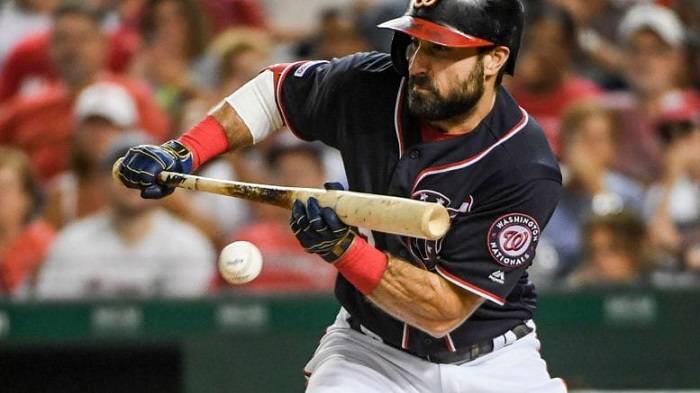
Sacrifice Bunt Execution:
Square up early to give your baserunners time to react.
Focus on deadening the ball so that it rolls toward the pitcher, first baseman, or third baseman but remains difficult to field quickly.
Bunt for a Hit Execution:
Wait until the last moment to square up, disguising your intention.
Aim for gaps where the infielders are unlikely to reach quickly.
Suicide Squeeze Bunt Execution:
Coordinate closely with your third-base coach.
Ensure that the bunt makes contact to protect the sprinting baserunner.
Safety Squeeze Bunt Execution:
Give the runner time to react to a bunt that’s in fair territory before advancing home.
Ideally, the bunt should move past the pitcher to create a defensive challenge.
Drills for Improving Bunting Skills
Tee Bunting Drill:
Place a ball on a tee and practice squaring up and bunting repeatedly to improve bat control.
Bunting off a Pitching Machine:
Set the machine to different speeds and practice positioning the bunt accurately.
Live Pitching Practice:
Work with a pitcher to simulate game-like conditions, focusing on reading pitch types and reacting quickly.
Common Mistakes to Avoid

Popping Up the Ball:
Maintain a firm grip and avoid tilting the bat too much, which causes the ball to pop up.
Releasing the Top Hand:
Keep your top hand firmly guiding the bat to maintain control.
Overcommitting Early:
Do not square up too early, especially when bunting for a hit.
Strategic Applications of Bunting
Bunting strategically can be game-changing. Consider these tactical scenarios:
Moving Runners:
Use a sacrifice bunt to advance runners into scoring position.
Surprise Element:
Catch the defense off guard with a bunt for a hit, particularly against aggressive shifts.
Run-Scoring Opportunities:
Execute squeeze bunts to bring in critical runs, particularly during high-pressure innings.
Forcing Errors:
Apply pressure on defenders to the field quickly, increasing the chance of errors.
Related Post:
The Ultimate Guide to the Best Infield Gloves
The Ultimate Guide to Choosing the Best Batting Tee: Unleash Your Full Hitting Potential
The Ultimate Guide to the Best Baseball Sunglasses: Maximizing Performance and Style on the Diamond
The Ultimate Guide to the Best Baseball Nets: Features, Benefits, and Recommendations
Whether you’re a coach or a player, mastering the art of bunting will significantly increase your strategic arsenal in baseball. By understanding the different types of bunts and their applications, perfecting your technique, and reading the defense, you can be well-prepared to make the most of this often underappreciated skill. Incorporate regular practice and avoid common mistakes to ensure you’re always ready to help your team gain that crucial edge.
Bunting is a specialized skill that requires focus, practice, and timing. By mastering these techniques and strategies, you’ll gain a versatile tool that can influence the game in crucial moments. Take your time to practice the mechanics, learn from each attempt, and incorporate bunting confidently into your playing style. With practice and dedication, you will soon find yourself delivering game-changing bunts that take your team to victory.