

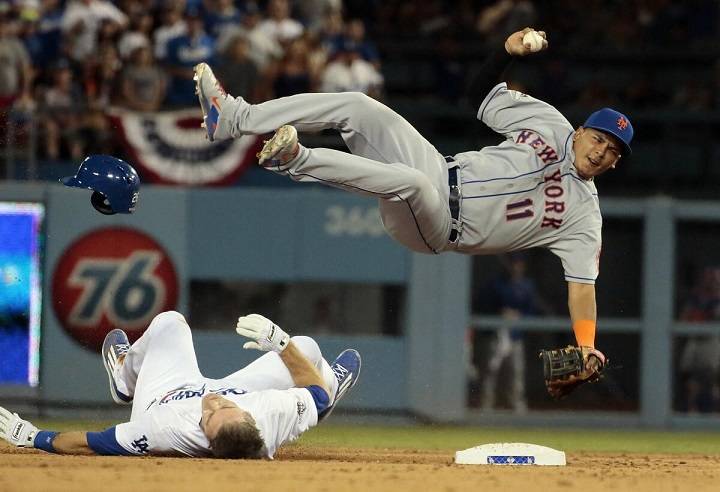
Playing second base is a pivotal role in baseball, often described as the keystone position due to its significance in the infield. As a second baseman, you are an essential part of your team’s defense and offense. This guide will delve into the responsibilities and skills required to excel at second base. Whether you’re new to the game or a seasoned player seeking to refine your skills, this comprehensive guide will help you understand and dominate the position.
Understanding Your Role at Second Base
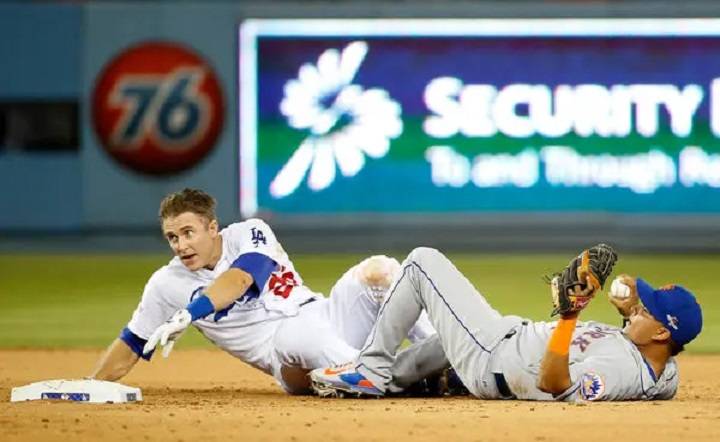
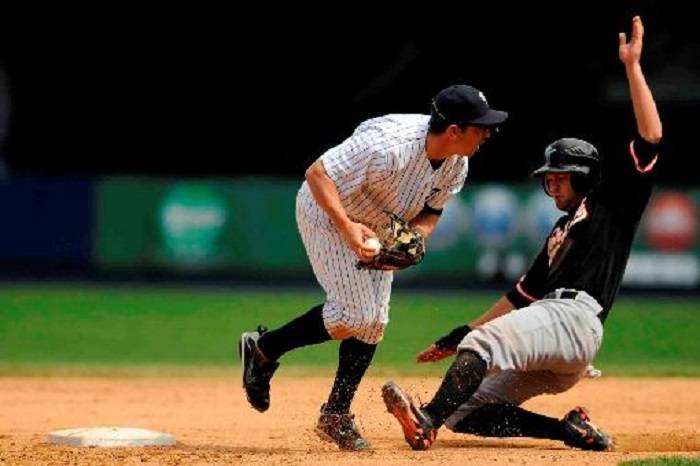
A second baseman typically serves as the field general for the right side of the infield, coordinating with the shortstop, first baseman, and pitcher to make plays. You will often serve as the pivot man in double plays, cut off throws from the outfield, and be instrumental in stopping base stealers. In addition to your defensive duties, you’ll need to contribute offensively, getting on base and providing strategic hits.
Introduction to Second Base
The second base is a vital defensive position located between first base and shortstop. The second baseman requires quick reflexes, soft hands, and the ability to pivot for double plays. This position demands high awareness due to the need for constant communication with other infielders.
Understanding Defensive Responsibilities
Fielding Ground Balls
As a second baseman, your primary job is to field ground balls hit toward your area. Key points to remember:
Pre-pitch Setup: Position yourself in a slightly crouched stance with your feet shoulder-width apart and weight balanced on the balls of your feet.
Footwork: Approach grounders with small, quick steps to ensure you’re in the best position.
Glove Position: Keep your glove low to the ground when fielding to minimize errors and maximize reaction time.
Turning Double Plays
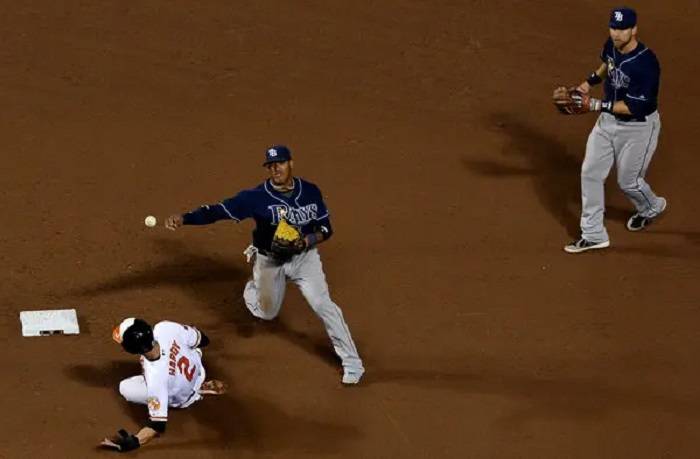
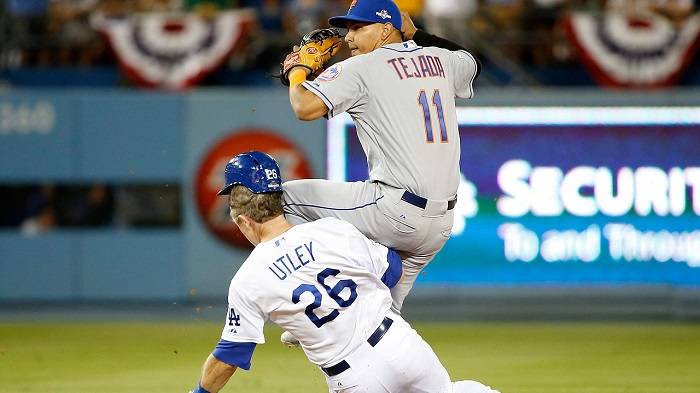
One of the hallmarks of a great second baseman is the ability to initiate and complete double plays:
Pivot Technique: Stay nimble and quick when receiving throws from the shortstop, using a proper pivot technique to avoid collisions and deliver accurate throws.
Arm Angle: Develop a sidearm or submarine throw to minimize the time taken to complete the double play.
Covering Bases
Steal Attempts: When the opposition is attempting a steal, ensure quick reactions to cover the base, either by tagging or catching the throw from the catcher.
Bunt Coverage: Communicate with the first baseman and pitcher to strategize bunt defense. In many cases, you’ll be called upon to cover first base.
Communication
A second baseman must communicate effectively with their teammates. Some common scenarios include:
Shortstop Coordination: Coordinate with the shortstop to ensure optimal coverage.
Relay Throws: Guide the outfielders with verbal cues when handling relay throws.
Infield Shifts: Be prepared to shift positions based on the batter’s tendencies.
Essential Skills for a Second Baseman
Quick Reflexes and Footwork
Anticipation: Stay ready for unpredictable hops and unexpected hits.
Quick Steps: Execute small, quick steps to adjust your fielding angle.
Arm Strength and Accuracy
Short Throws: Practice efficient throws with a short arm action for turning double plays.
Accuracy Over Strength: Prioritize accuracy over strength for consistent and reliable fielding.
Communication and Leadership
Confidence: Direct teammates to their positions with confidence.
Voice Commands: Use clear and assertive voice commands to avoid miscommunication.
Offensive Responsibilities
Base Running
Second basemen are expected to be proficient baserunners who can capitalize on opportunities:
Stealing: Utilize situational awareness to steal bases effectively.
Tagging Up: Know when to advance on fly balls and be ready to hustle.
Hitting Approach
While your defensive skills are essential, contributing offensively can make a significant impact:
Contact Hitting: Focus on contact hitting to get on base regularly.
Situational Hitting: Prioritize advancing runners in scoring positions with smart hitting.
Mental Preparation
Playing second base requires mental fortitude and anticipation:
Situational Awareness: Always anticipate potential scenarios, such as bunt plays or stealing attempts.
Resilience: Learn to recover from errors quickly to maintain confidence.
Drills and Training Tips
Fielding Drills
Backhand Practice: Drill backhanded grounders to improve versatility.
Reaction Drills: Have coaches or teammates hit or throw balls randomly to improve reaction speed.
Throwing Drills
Pivot Drills: Practice pivot throws for double plays with accurate timing.
Submarine Throws Master short-range throws by refining your submarine technique.
Famous Second Basemen to Study
Watching the best second basemen can offer invaluable insights:
Joe Morgan: Known for his agility and speed on the bases, Morgan was also a superb defender.
Roberto Alomar: His consistency and quick reflexes made him one of the best second basemen ever.
Dustin Pedroia: Pedroia’s work ethic and commitment to defense set an example for aspiring second basemen.
Common Mistakes and How to Avoid Them
Overthrowing:
Avoid unnecessary errors by not forcing throws when the play isn’t available.
Misjudging Ground Balls:
Don’t charge at ground balls too aggressively if the ball is sharply hit.
Pivoting Errors:
Practice your double-play pivots to avoid bobbling the ball or hesitating.
Training and Drills
Fielding Drills:
Work on ground balls and pop flies to ensure proper positioning and handling.
Practice with partners on throws from varying distances.
Double Play Drills:
Rehearse pivot techniques and timing with your shortstop.
Agility and Strength Training:
Improve your lateral speed and arm strength through a tailored training regimen.
Video Analysis:
Record your practice sessions or games and review them to identify areas for improvement.
Related Post:
The Ultimate Guide to Choosing the Best Baseball Cleats
Mastering Your Batting Stance: A Comprehensive Guide
The Ultimate Baseball Trivia Challenge: Test Your Knowledge of America’s Pastime
Understanding Baseball Position Numbers: A Comprehensive Guide
Mastering the art of playing second base requires a blend of agility, leadership, and mental preparedness. By understanding the responsibilities and developing essential skills, you can excel in this position. Keep honing your abilities with drills and take inspiration from past greats. Before long, you’ll find yourself becoming the linchpin of your team’s infield defense.
Playing second base is an art that requires a combination of physical and mental prowess. With strong fielding fundamentals, game awareness, and constant practice, you can excel at the position. Focus on honing your pivot skills, footwork, and coordination with teammates, and you’ll become an invaluable asset to your team. Most importantly, maintain a positive attitude and remain dedicated to continuous improvement.