

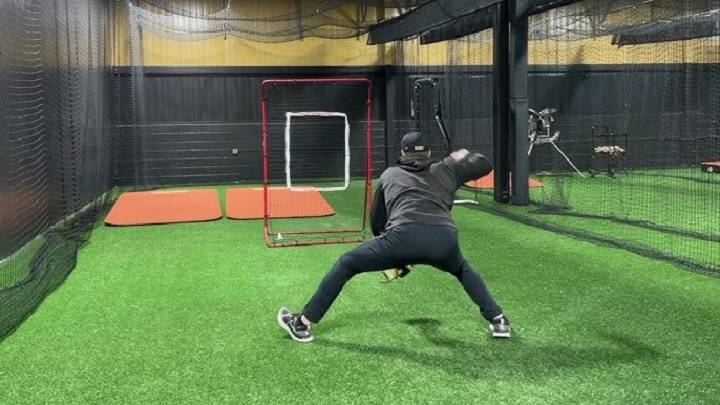
Baseball is a game that thrives on repetition and practice, and one of the most valuable tools to achieve this is the baseball rebounder. Whether you’re an aspiring pitcher, a seasoned infielder, or simply love playing catch, a rebounder provides a consistent and reliable way to practice and improve your game.
In this guide, we will delve deep into everything you need to know about baseball rebounders. We’ll cover what they are, why they are crucial for practice, what features to consider when buying one, and finally, we’ll provide a rundown of the best baseball rebounders on the market.
What is a Baseball Rebounder?
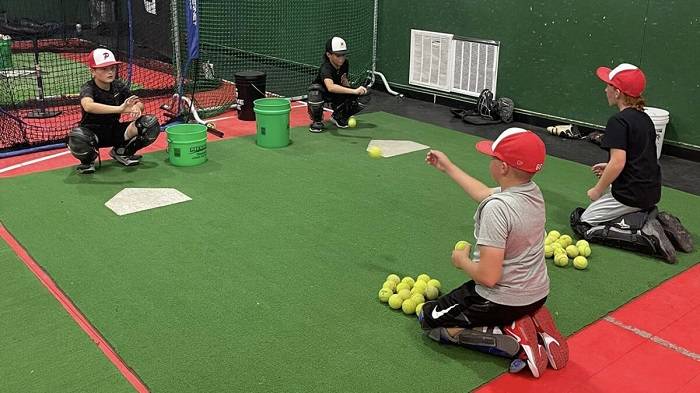
A baseball rebounder, also known as a pitch-back net or training net, is a piece of equipment designed to help baseball players practice their throwing, fielding, and catching skills independently. It features a net stretched tightly over a sturdy frame, which causes balls to rebound back towards the player after hitting the net. This allows athletes to simulate real-game scenarios without needing a partner.
Benefits of Using a Baseball Rebounder
Solo Practice: With a rebounder, you can train independently, which is particularly beneficial for players who don’t always have a practice partner available.
Improves Hand-Eye Coordination: The unpredictable nature of the ball’s return after hitting the net helps enhance reflexes and hand-eye coordination.
Enhances Fielding and Throwing Skills: Whether you’re aiming to perfect your ground ball pickups, pop flies, or pitching accuracy, a rebounder provides the necessary repetition and muscle memory.
Simulates Game Scenarios: Rebounders can be adjusted to different angles to mimic infield ground balls, line drives, and fly balls, providing a realistic training experience.
Understanding Baseball Rebounders
A baseball rebounder, also known as a pitch back or training net, is a versatile training tool that allows players to simulate various game scenarios by throwing balls at a taut net that bounces them back to the player. They come in various sizes, shapes, and angles, catering to different skill levels and practice needs.
Why Every Player Needs a Baseball Rebounder
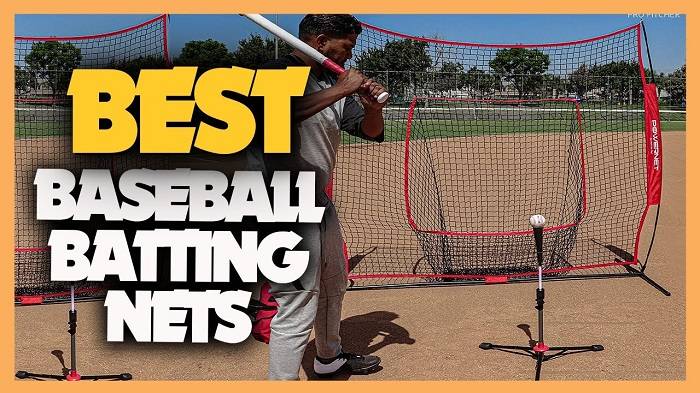
Improved Reflexes and Reaction Time: A rebounder simulates the unpredictable nature of ground balls and fly balls, helping players improve their reflexes and decision-making skills.
Pitching Practice: Pitchers can practice their throwing mechanics without a catcher, enabling them to refine their delivery, release point, and consistency.
Fielding Practice: Infielders and outfielders can work on their ground balls, pop-ups, and throws. The ability to adjust the angle ensures versatility in training.
Solo Practice: You don’t need a practice partner to work on your skills. A rebounder offers a great opportunity to practice independently.
Versatility: The variety of angles available can simulate almost any scenario, making it suitable for players of different positions.
Features to Consider When Buying a Baseball Rebounder
Before you pick up a rebounder, it’s crucial to consider the following features to find the best one for your needs:
Frame Material: Most rebounders have either a steel or aluminum frame. Steel is sturdy and more durable but also heavier, while aluminum is lightweight and easier to move around.
Net Material: Opt for nets made from high-quality nylon or polyethylene. They should withstand high-velocity impacts and resist weather conditions.
Adjustability: The best rebounders offer adjustable angles to simulate different types of hits. Check for a mechanism that allows you to change the angle easily.
Size: Larger rebounders provide a bigger surface area, making them suitable for catching ground balls and fly balls. Smaller rebounders are great for pitching practice and developing accuracy.
Portability: If you plan to transport your rebounder frequently, opt for one that is foldable or lightweight.
Assembly: Some rebounders come pre-assembled, while others require setup. Check for user-friendly assembly instructions or videos.
The Best Baseball Rebounders on the Market
Rukket 4x7ft Pitch Back
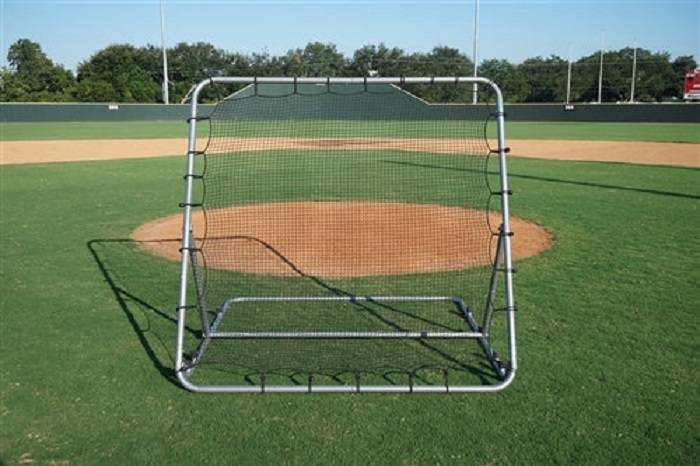
Key Features: The Rukket rebounder is a versatile pitch-back net with an adjustable angle and a heavy-duty frame.
Pros: Highly durable frame, weatherproof netting, adjustable angle for different practice needs, and a foldable design.
Cons: Heavier than other models and requires a few minutes for assembly.
Best For: Serious players looking for a versatile training tool for pitching, catching, and fielding.
Franklin Sports MLB Rebounder
Key Features: Designed for players at all levels, this rebounder offers multiple return angles.
Pros: Affordable price, adjustable frame, durable steel tubing, and weather-resistant netting.
Cons: Not suitable for high-intensity pitching or professional players.
Best For: Beginners and intermediate players seeking an affordable option for casual practice.
SKLZ PitchBack Baseball Rebounder
Key Features: Known for its simple yet effective design, the SKLZ PitchBack provides consistent and accurate feedback.
Pros: Sturdy steel frame, flexible and durable netting, adjustable angles for pitching, and portable design.
Cons: Not ideal for professional-level practice.
Best For Players seeking an affordable rebounder for consistent pitching practice.
Champion Sports Multi-Sport Net
Key Features: This is a multi-sport rebounder that can be used for baseball, lacrosse, and soccer practice.
Pros: Versatile, high-tension nylon net, adjustable steel frame, and a large surface area.
Cons: Slightly heavier due to its size and may require extra space.
Best For Athletes who play multiple sports or need a large practice net for fielding.
PowerNet Baseball and Softball Rebounder
Key Features: Specifically designed for pitching and fielding practice, this rebounder offers a unique shape.
Pros: Lightweight frame, strong nylon net, quick assembly, and angled surface for accurate return paths.
Cons: Less durable than some heavier models and smaller surface area.
Best For Pitchers and fielders who want a lightweight, portable rebounder.
Maintenance Tips for Your Rebounder
Store Properly: When not in use, store your rebounder in a dry, shaded area to protect it from the elements.
Check for Damage: Regularly inspect the frame and netting for signs of wear and tear. Replace or repair parts as needed.
Secure Setup: Ensure the rebounder is securely anchored to prevent tipping during practice.
Related Post:
Mastering the Circle Change Grip: An In-Depth Guide for Aspiring Pitchers
Best Pine Tar for Baseball: Everything You Need to Know
The Ultimate Guide to the Best Metal Baseball Bats
The Ultimate Guide to the Best Baseball Elbow Guards: Protecting Your Swing
The best baseball rebounder can become an indispensable tool in your training arsenal. Whether you are a pitcher working on control, a fielder honing your reflexes, or a player simply looking to have fun, there’s a rebounder out there for you. With our detailed guide, you should now have a better understanding of what to look for and which rebounder will best suit your specific needs.