

Baseball is a sport that thrives on complex situations, each requiring quick thinking, strategic decision-making, and team coordination. Players, coaches, and spectators alike revel in these scenarios, as every inning, out, and pitch can alter the course of the game. This article will explore some key baseball situations, offering insights into the strategies and techniques that teams use to gain an edge on the diamond.
The Basics of Baseball Situations
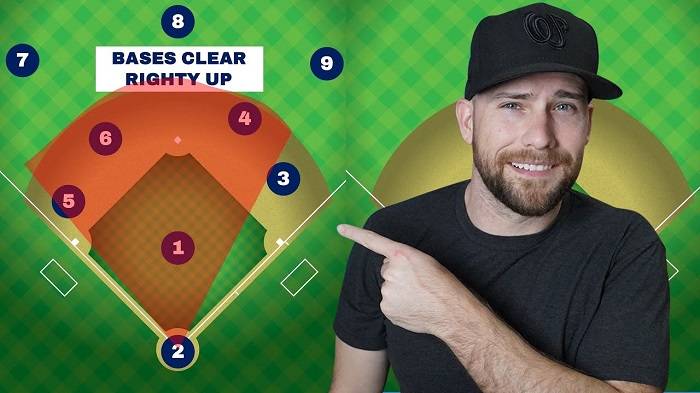
In baseball, the game is shaped by a dynamic set of situations created by the interaction of the number of outs, baserunners, pitch count, score, and innings. Each of these elements determines how both the offense and defense should react.
Number of Outs: With zero, one, or two outs, offensive and defensive strategies differ significantly.
Baserunners: The placement of runners on first, second, and third bases affects offensive play-calling and defensive alignments.
Pitch Count: The count (balls and strikes) guides the batter’s and pitcher’s next steps.
Offensive Situations
Runners on Base
When runners are on base, the objective is to advance them as efficiently as possible to score. Teams have various strategies to achieve this:
Hit-and-Run: A strategic offensive play where the batter swings at the pitch while the runner(s) advance, hoping to avoid a double play.
Sacrifice Fly: When a batter intentionally hits a fly ball to advance a runner, particularly from third base, to score.
Squeeze Play: A risky but potentially rewarding play where a bunt is laid down with a runner on third base, attempting to score.
Sacrifice Bunts
A sacrifice bunt is when a batter bunts the ball to advance baserunners, sacrificing their own at-bat. The goal is to move runners into scoring positions.
Hit and Run
A hit-and-run play involves a baserunner starting to steal before the batter swings. This requires excellent timing and execution to avoid a double play.
Stealing Bases
Stealing is a calculated risk to gain an extra base. Runners need to study the pitcher’s tendencies, get a good lead, and ensure a quick first step to beat the catcher’s throw.
Defensive Situations
Double Play Depth
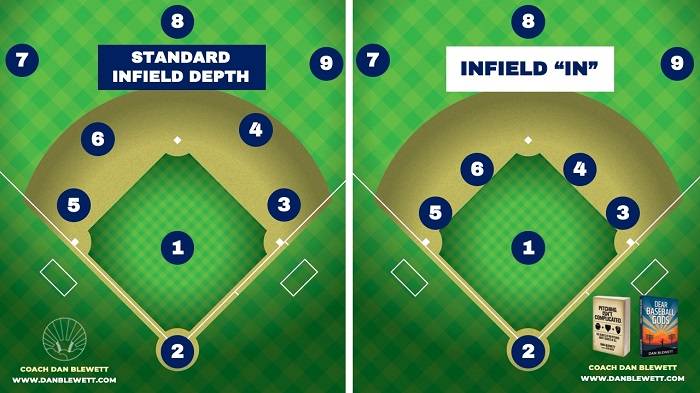
With runners on base, especially on first, fielders often align themselves to turn a double play. Middle infielders shorten the distance to second base while positioning themselves for a quick relay.
Infield In
When the game is tight and a runner is on third with fewer than two outs, the defense may bring the infield closer to home plate. This shortens the throw home, reducing the runner’s chances of scoring on a ground ball.
Outfield Positioning
Outfielders adjust their positioning based on the hitter’s tendencies, game situation, and pitch being thrown. They might play deep to prevent extra-base hits or shallow to throw out runners.
Pitching Strategies
Pitchers can exploit weaknesses in a batter’s swing using pitch types and speeds. With a runner on base, their primary objective is to prevent the runner from advancing via stolen bases or wild pitches.
Pitching vs. Batting Situations
The Count and Its Impact
The count heavily influences the batter’s approach. For example:
Ahead in the Count: A batter has more flexibility to wait for a favorable pitch.
Behind in the Count: The batter must protect the plate from strikeouts and may have to swing at pitches outside their hitting zone.
Pitch Selection and Location
Pitchers choose their pitch type and location based on scouting reports and the current situation. Effective use of off-speed pitches and location can disrupt a batter’s timing.
Special Situations
Extra Innings
In extra innings, with the game tied, every pitch is critical. Strategies become more aggressive as teams try to score that crucial run.
Intentional Walks
When facing a dangerous hitter, especially with a base open, pitchers may issue an intentional walk to set up a more favorable matchup or a double play.
Tagging Up
After a fly ball is caught, baserunners can advance to the next base if they tag up correctly. This can provide critical runs, particularly in late innings.
Pickoffs
A well-timed pickoff can catch baserunners off guard and prevent them from stealing.
Advanced Situations and Strategies
The Double Switch
In National League or international play, where pitchers bat, the double switch is often used to maximize a relief pitcher’s innings while maintaining a strong batting lineup.
Strategy Tip: Bring in a relief pitcher and simultaneously substitute another player into a non-pitcher position to alter the batting order strategically.
Defensive Shifts
Modern baseball uses statistical analysis to position defenders optimally against specific batters.
Strategy Tip: Teams should not rely solely on data but also consider in-game observations to adjust shifts accordingly.
The Sacrifice Bunt
Bunting is controversial, with advocates arguing that it advances runners while detractors consider it a waste of an out.
Strategy Tip: Execute sacrifice bunts only when one out will not significantly diminish offensive potential and when moving a runner into scoring position is critical.
Related Post:
A Deep Dive into the World of Pickle Baseball
How to Hit Better: A Comprehensive Guide
Mastering the Art of Fielding a Ground Ball: A Comprehensive Guide
The Role and Importance of the First Baseman in Baseball
In baseball, every situation requires a unique strategy. Recognizing these situations, staying calm, and knowing how to adapt is vital to success. Mastering these scenarios involves preparation, communication, and execution. Whether you’re a coach, player, or fan, understanding these game scenarios can elevate your appreciation of the game and improve your tactical approach.
Baseball is a sport built around countless strategic decisions made throughout every inning. From positioning fielders to deciding when to bunt or steal, each situation requires a unique response. Understanding the nuances of these scenarios not only enhances the spectator’s appreciation but can improve a team’s overall gameplay. Whether you’re playing on the diamond, managing from the dugout, or watching from the stands, these baseball situations add depth and excitement to America’s pastime.
Baseball is a complex dance of strategies and counter-strategies. While every play unfolds in a matter of seconds, understanding the situations beforehand can dramatically affect how players react. The result is a game that, while often deemed “slow,” thrives on razor-sharp decisions and meticulously planned tactics.
Whether you’re a player, coach, or fan, diving into these situations provides a deeper appreciation of the intricacies that make baseball so captivating. So next time you’re watching a game or stepping up to the plate, remember that every scenario is a new puzzle waiting to be solved.